
FISH TANK ARTICLES
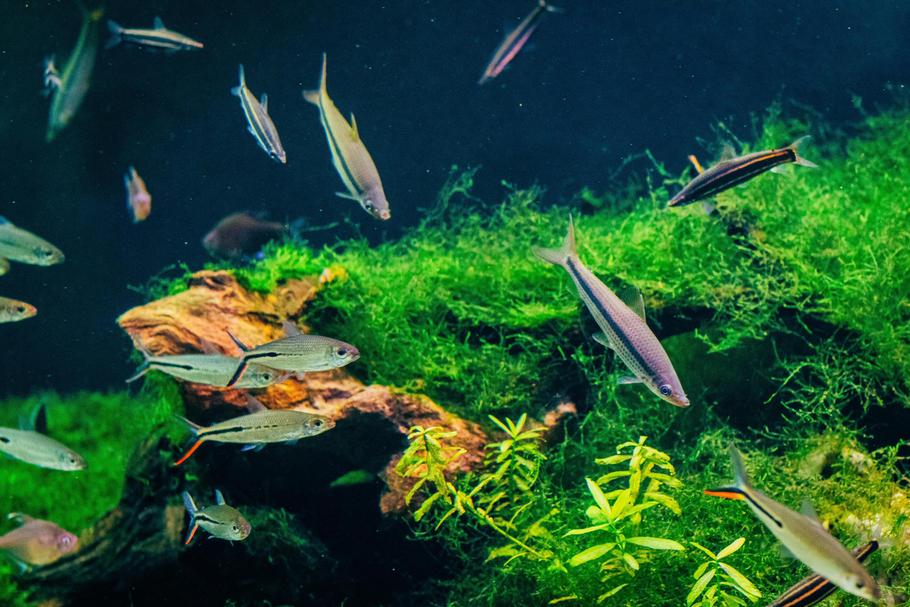
The Connection Between Aquascaping and Geology
Geology plays a massive role in hardcore aquascaping because the rocks and substrates you choose directly affect both the appearance and chemistry of your aquarium. Natural landscapes are shaped over thousands of years by erosion, pressure, sediment movement, and volcanic activity. Aquascapers mimic these patterns to create tanks that feel realistic rather than artificial.
One of the biggest mistakes beginners make is mixing several unrelated rock types in the same aquarium. In nature, you rarely see volcanic stone mixed with smooth river rocks and sharp limestone formations in the same location. Using one dominant stone type creates visual consistency and a more believable environment.
Popular geological materials used in freshwater aquascaping include:
- Seiryu Stone for dramatic mountain-style layouts
- Dragon Stone for textured canyon and cliff effects
- Lava Rock for lightweight volcanic aquascapes
- River Stone for softer biotope-inspired setups
- Slate for layered cliff formations and terraces
Each stone type behaves differently in water. For example, Seiryu Stone can slightly raise hardness and pH because of its mineral content, making it more suitable for species like livebearers or rainbowfish than soft-water fish such as Discus.
If you are new to aquascaping design principles, the article Aquascaping for Beginners: Designing a Natural Underwater Landscape offers a great introduction to layout planning and hardscape balance.
Building Geological Layouts That Look Natural
Hardcore aquascaping focuses heavily on realism. The goal is to create an underwater scene that appears naturally formed rather than carefully staged. This means studying how mountains, riverbeds, and valleys actually develop in nature.
One effective...
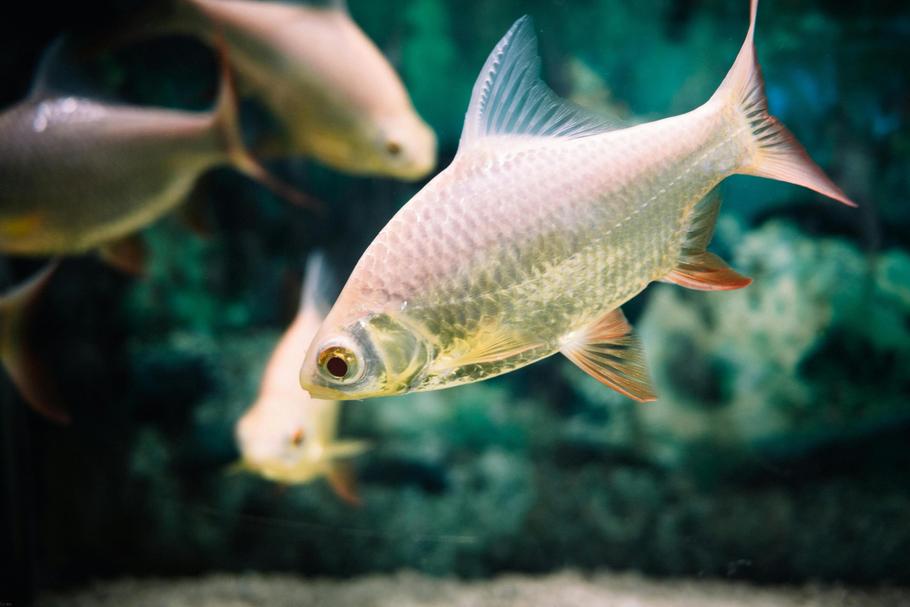
Why Fish Behavior Is So Important in Aquarium Keeping
Many beginners focus heavily on equipment, filtration, and water testing while overlooking fish behavior entirely. Although maintaining proper water quality is essential, fish body language often provides the earliest warning signs that something is wrong inside the aquarium.
Fish constantly react to changes in their environment. Poor water quality, aggressive tank mates, overcrowding, unstable temperatures, and even excessive lighting can influence their behavior. Experienced aquarists often notice unusual swimming patterns or posture changes before water test kits reveal measurable problems.
For example, fish gasping near the surface may indicate low oxygen levels or elevated ammonia. Fish rubbing against decorations and substrate may be dealing with parasites or skin irritation. A normally active fish that suddenly hides all day could be stressed or sick.
One of the most valuable habits any aquarist can develop is spending a few minutes observing the aquarium daily. This helps establish what is normal behavior for each species. Once you know how your fish typically behave, unusual actions become much easier to identify.
Different fish communicate in different ways. Bettas flare their fins and gill covers to display dominance. Schooling fish such as Neon Tetras and Harlequin Rasboras tighten their formation when stressed. Cichlids use posture and territory patrols to communicate aggression or breeding behavior.
Some of the most common stress signals in aquarium fish include:
- Rapid breathing or heavy gill movement
- Clamped fins held tightly against the body
- Loss of appetite or spitting out food
- Hiding excessively behind decorations or plants
- Glass surfing or repetitive pacing...
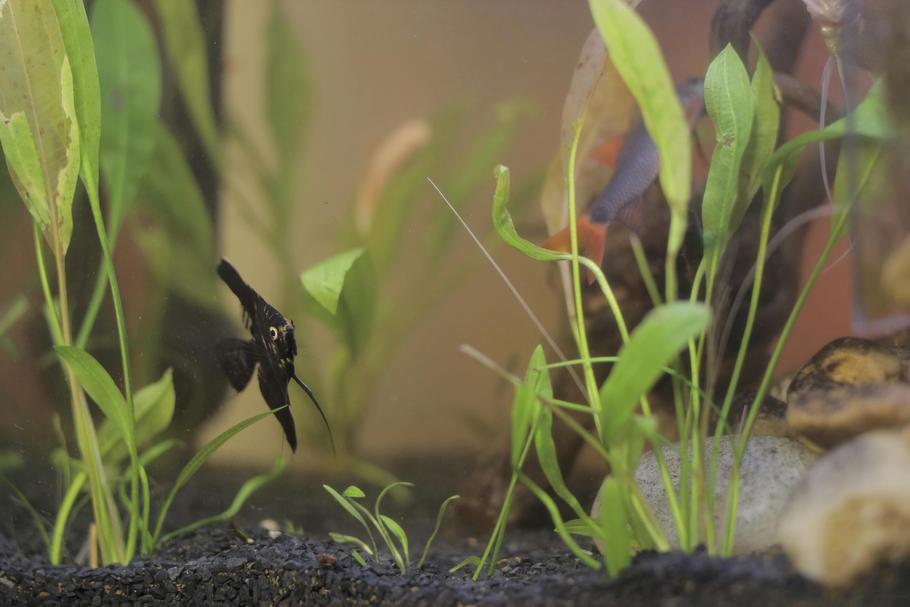
What Is Wabi Kusa?
Wabi Kusa is a Japanese-inspired aquascaping style that focuses on natural simplicity and organic beauty. The term loosely combines the concepts of “Wabi,” meaning understated elegance, and “Kusa,” meaning grass or plants. In practice, a Wabi Kusa setup usually consists of aquatic plants attached to a nutrient-rich moss or soil ball placed partially above water.
Unlike fully submerged planted aquariums, Wabi Kusa encourages plants to grow emersed, meaning their leaves grow above the waterline. This often results in faster growth, brighter coloration, and unique leaf shapes that differ from submerged forms.
Many hobbyists create Wabi Kusa displays inside open-top aquariums, glass bowls, shallow containers, or paludariums. Some setups include small fish or shrimp underneath the plant display, while others focus entirely on the plants themselves.
One reason Wabi Kusa has become so popular is its flexibility. You can build a simple beginner setup with just a few plants and a small container, or develop elaborate artistic displays with driftwood, stones, misting systems, and waterfalls.
For aquarium hobbyists already familiar with planted tanks, Wabi Kusa can feel like a natural next step. If you are new to aquatic plants entirely, reviewing these planted aquarium basics can help you better understand lighting, nutrients, and plant care before starting your first Wabi Kusa project.
Choosing the Right Container and Equipment
One of the biggest advantages of Wabi...
Aquarium News and Trends
As we move into Spring 2017, a quiet revolution is taking place in the world of freshwater aquatics. While large predator tanks and high-tech reef systems often dominate the headlines, it is the tiny, colorful, and industrious freshwater shrimp that are currently capturing the hearts of hobbyists worldwide. These "living jewels" are no longer relegated to the role of simple cleanup crews; instead, they have become the focal point of a massive trend toward "nano-scaping" and dedicated invertebrate habitats. From the brilliant reds of the classic Cherry Shrimp to the intricate patterns of the high-end Caridina varieties, shrimp offer a unique combination of aesthetic beauty and ecological utility. This season, the trend is moving away from the accidental shrimp keeper and toward intentional, specialized environments designed to highlight the fascinating social behaviors and breeding cycles of these captivating crustaceans.
The world of marine biology has just become a little more crowded, and for fans of nano reef tanks, the news couldn't be more exciting. Researchers exploring the vast, biodiverse waters of the Indo-Pacific have recently described five new species of Dwarfgobies belonging to the genus Eviota, including the stunning Eviota samota from Indonesia and the unique Eviota bifurca from Taiwan. These tiny, vibrant teleosts are often overlooked due to their diminutive size—many reaching less than an inch in length—but they represent a massive leap in our understanding of reef ecosystems. For the home aquarist, the discovery of these "micro-gems" highlights the incredible potential of small-scale saltwater setups. As we peel back the layers of the ocean's hidden diversity, these new discoveries offer a fresh perspective on how we can recreate complex, functional habitats in our own living rooms, proving that sometimes the most significant additions to the hobby come in the smallest packages.
The saltwater aquarium hobby is ever-changing -- trends and even species come and go. In this article you will learn about some of the newest coral species from 2013.
The year 2013 proved to be a landmark era for ichthyology, as researchers and explorers descended into the deepest coral reefs and trekked through remote freshwater basins to unveil creatures previously unknown to science. For the dedicated aquarium hobbyist, these discoveries represent more than just scientific data; they offer a glimpse into the incredible biodiversity of our planet and often introduce new possibilities for the home display. While some of these species are destined to remain in protected habitats, others have reshaped our understanding of fish behavior and evolution. In this guide, we will explore the most significant newly discovered fish species of 2013, providing expert insights into their unique characteristics and what their discovery means for the future of the aquarium hobby.
For decades, jellyfish were considered the exclusive domain of public spectacle, reserved for massive, high-tech displays in world-class public aquariums. Their ethereal, pulsing movements and translucent bodies seemed far too delicate for the average home enthusiast to maintain. However, a revolution in tank design and a deeper understanding of cnidarian biology have moved these mesmerizing creatures from the "impossible" category straight into the "trending" spotlight for home aquarists. Today, specialized desktop kits and sophisticated circular flow systems are making it possible for beginner and intermediate hobbyists to bring the tranquil beauty of the open ocean into their living rooms. Keeping jellyfish is a departure from traditional fishkeeping, requiring a shift in how we think about filtration, water flow, and even the concept of "swimming." In this guide, we will explore why jellyfish are the newest must-have inhabitants of the modern aquarium, the specific technology required to keep them alive, and how you can master the care of these living pieces of art.
There is something undeniably magical about watching an aquarium transform as the room lights dim and the sun sets. While high-intensity lighting is essential for plant growth and coral health during the day, the addition of LED moonlights has become one of the most popular trends for modern hobbyists looking to extend their enjoyment into the evening hours. Beyond the aesthetic appeal of a shimmering, deep-blue nocturnal glow, moonlighting serves a practical biological purpose, mimicking the natural lunar cycles that many aquatic species rely on for navigation, feeding, and even reproductive cues. Whether you are managing a lush freshwater community or a complex saltwater reef, adding a dedicated night-light phase can bridge the gap between a standard fish tank and a living ecosystem, offering a front-row seat to the mysterious behaviors of your nocturnal inhabitants that usually go unseen in the dark.
The global aquarium community is currently navigating an era of unprecedented discovery that has fundamentally changed how we view one of the most popular groups of freshwater fish. For decades, the genus Corydoras served as a massive "catch-all" classification for hundreds of armored catfish species from South America, but the last 24 months have seen a seismic shift in the hobby. Through a combination of cutting-edge DNA sequencing and daring field expeditions into the deepest reaches of the Amazon, scientists have not only discovered stunning new species with vibrant patterns and unique behaviors but have also completely reorganized the Corydoras family tree. For the beginner looking to build a resilient community tank or the intermediate keeper searching for the next rare "CW" coded gem, understanding these new discoveries is the key to mastering the modern catfish aquarium. This is not just about new names on a glass tank; it is about a deeper understanding of the evolution, geography, and specialized care requirements of the world’s favorite bottom-dwellers.
Often referred to as the "Mexican Walking Fish," the Axolotl (Ambystoma mexicanum) is not a fish at all, but a fascinating species of neotenic salamander that spends its entire life underwater. With their wide, permanent smiles, feathery external gills, and quirky personalities, it is no wonder they have become one of the most sought-after inhabitants in the freshwater hobby. Unlike other amphibians that undergo metamorphosis to live on land, Axolotls retain their larval features throughout adulthood, offering a truly prehistoric aesthetic to any home display. However, their unique biology means they have very specific requirements that differ significantly from standard tropical fish. Whether you are a beginner looking to start your first species-only tank or an intermediate keeper refining your setup, understanding the nuances of Axolotl care is the key to ensuring these "water monsters" thrive for their potential 15-year lifespan.
As we dive into January 2017, the world of freshwater aquariums is buzzing with a renewed fascination for one of the hobby’s most iconic inhabitants: the Betta fish. Often the "gateway fish" for many beginners, the Betta splendens is currently undergoing a massive surge in popularity due to new color morphs, advanced breeding techniques, and a shift in how hobbyists view their care. Whether you are unboxing your first five-gallon tank or you are an intermediate keeper looking to explore the complexities of Betta genetics, this month is all about moving beyond the tiny plastic bowl. We are seeing a trend toward high-tech nano tanks, naturalistic aquascaping, and a deeper understanding of the behavioral needs of these "Vibrant Veiltails." Join us as we explore the hottest trends, care breakthroughs, and species spotlights defining the Betta community this season.
As we navigate the second week of February, the aquarium hobby is experiencing a massive surge in Cichlid-focused setups, driven by a winter desire for high-energy, vibrant indoor displays. Cichlids are the undisputed heavyweights of the freshwater world, offering a combination of brilliant coloration, complex social structures, and an intelligence that often makes them feel more like aquatic pets than simple decorations. However, for many beginner and intermediate keepers, the "Cichlid puzzle" remains one of the most daunting challenges in the hobby. Navigating the thin line between a harmonious community and a chaotic environment requires more than just an eye for beauty; it requires a deep understanding of territorial trends, seasonal behaviors, and species-specific dietary needs. This guide breaks down the latest compatibility trends for February to help you build a thriving, peaceful Cichlid environment that stands the test of time.
As we transition into March 2017, the world of aquascaping is witnessing a fascinating shift toward more organic, "wild" aesthetics. For years, the hobby was dominated by the rigid, almost mathematical precision of Dutch-style street layouts, but today’s enthusiasts are looking to the untamed beauty of natural riverbeds and forest floors for inspiration. Whether you are a beginner setting up your first five-gallon nano tank or an intermediate hobbyist looking to overhaul a large display, these trends offer a blueprint for creating a captivating underwater ecosystem. This month, the focus is on texture, verticality, and the seamless integration of hardscape and flora to mimic the untouched serenity of the natural world.
The Pinnatus Batfish (Platax pinnatus), often called the Fire Face or Red-Finned Batfish, has long been considered the "Holy Grail" of the marine aquarium hobby—stunningly beautiful but notoriously difficult to keep alive. For decades, even expert aquarists struggled with the devastating reality that these fish often refused to eat or succumbed to stress-induced illnesses within weeks of purchase. However, a new understanding of their transition from pelagic juveniles to reef-dwelling adults is changing the game. By combining breakthroughs in captive-breeding efforts with a specialized "low-competition" acclimation strategy, we are finally unlocking the secrets to keeping this enigmatic species healthy and thriving in the home aquarium. Whether you are a beginner looking to understand the challenge or an intermediate hobbyist ready to take the plunge, these new insights represent a massive leap forward for sustainable fishkeeping.
As we head into the spring of 2017, the freshwater aquarium hobby is witnessing a vibrant resurgence of the undisputed "King of the Aquarium": the Discus fish. Known scientifically as Symphysodon, these South American cichlids have long been the holy grail for aquarists due to their majestic saucer-shaped bodies and a spectrum of colors that rival the most exotic saltwater reef fish. While they previously carried a reputation for being impossibly delicate, modern tank-bred strains and a better understanding of water chemistry have made them more accessible than ever to intermediate hobbyists. This season, the trend is moving away from sterile, bare-bottom breeding setups toward lush, high-tech planted "show tanks" that highlight the iridescent blues, fiery reds, and intricate patterns of new designer strains. If you have been looking for a centerpiece species that brings both challenge and unmatched beauty to your living room, there has never been a better time to dive into the world of Discus.
The aquarium hobby has undergone a remarkable transformation over the past few decades. What once required heavy manual labor, constant monitoring, and a degree of guesswork is now supported by cutting-edge technology that makes fishkeeping more reliable, precise, and enjoyable. From smarter filtration systems to programmable LED lighting, automated feeders, and advanced monitoring devices, technology has reshaped how hobbyists care for freshwater and saltwater aquariums alike. Today, even beginners can maintain thriving ecosystems, while intermediate hobbyists can explore complex reef systems or highly stocked community tanks with confidence. This article explores the major ways technology has changed the aquarium hobby, offering practical advice, real-world examples, and actionable tips for hobbyists of all levels.
For decades, the aquarium hobby has been defined by a delicate balance of art and science, requiring hobbyists to play the role of chemist, biologist, and engineer. Traditionally, maintaining a thriving aquatic ecosystem meant manual water testing, ritualistic bulb replacements, and the constant anxiety of "what if" while away from home. However, we are currently entering a new era where technology is removing the guesswork from fishkeeping. Smart tank technology is no longer a luxury reserved for high-end public installations; it is the future of the home aquarium, offering beginner and intermediate hobbyists the tools to ensure more stable environments, healthier fish, and a significantly lower margin for error.
Some fish are simply going to live longer than others, but what species have the longest lifespans? Keep reading to learn about the oldest fish to have ever lived and to receive tips for maximizing the lifespan of your own aquarium fish.
The saltwater aquarium industry takes millions of fish from oceans around the world each year. A new bill has been introduced to limit aquarium fish collecting.
Most of us start our first aquarium because we are captivated by the shimmering scales of a Betta or the rhythmic pulsing of a reef tank, but rarely do we realize that we are actually installing a powerful wellness tool in our living rooms. While the hobby is often discussed in terms of water chemistry and filtration, a growing body of scientific research suggests that the most profound impact of a home aquarium isn't on the fish, but on the human standing in front of the glass. From lowering blood pressure and heart rate to reducing cortisol levels and improving sleep quality, the therapeutic effects of watching aquatic life are so significant that doctors and dentists have used them in waiting rooms for decades. Whether you are an intermediate keeper managing a complex high-tech planted tank or a beginner setting up your first 10-gallon community, your aquarium acts as a biological anchor that grounds you in a fast-paced world. In this article, we will explore the surprising psychological and physiological health benefits of fishkeeping and provide practical tips on how to design your tank to maximize its restorative potential.
While the aquarium hobby is often viewed as a personal pursuit of beauty and tranquility, it has quietly evolved into one of the most powerful forces for global biodiversity conservation. For decades, habitat destruction, pollution, and climate change have pushed countless aquatic species to the brink of collapse, with some disappearing from the wild entirely. In a remarkable turn of events, it is often the dedicated home hobbyist—rather than large-scale institutions—who holds the last remaining specimens of these species. Through a movement known as "citizen science," aquarium enthusiasts are collaborating with international programs like the CARES Preservation Program to maintain "ark" populations of endangered fish. Today, we celebrate the fact that at least 30 species, from vibrant cichlids to tiny live-bearers, currently owe their continued existence to the filtered glass boxes in our living rooms. This guide explores the incredible impact of the hobby on conservation and how you can transition from a casual keeper to a guardian of an endangered species.
The landscape of the aquarium hobby has shifted dramatically in 2025, moving away from the "bigger is always better" philosophy toward the precision and artistry of the nano tank. A 5 to 10-gallon aquarium is no longer just a temporary home for a juvenile fish; it is a sophisticated, self-contained ecosystem that demands a unique blend of scientific understanding and aesthetic design. For the beginner, these tanks offer an affordable entry into the world of aquatic life, while intermediate keepers find them to be the ultimate test of their ability to maintain biological stability within a tiny margin of error. Successfully managing a nano system requires a commitment to meticulous stocking and a rigorous maintenance protocol, transforming a small glass box into a thriving, living work of art that can grace any desk, countertop, or shelf.
The lionfish invasion in the Atlantic is one of the most talked-about marine news stories of the last two decades, and it has important implications not just for scientists and conservationists, but also for aquarium hobbyists. With their dramatic fins, bold stripes, and calm hovering behavior, lionfish are undeniably captivating. Yet in the wild, they have become a textbook example of how an introduced species can disrupt entire ecosystems. In this article, we’ll explore how the invasion started, why lionfish are such effective predators, what the spread means for reef health, and—most importantly for hobbyists—how to think responsibly about lionfish care, compatibility, and ethical aquarium practices.
When we think of aggressive fish, we often imagine predators with sharp teeth or naturally territorial species like Cichlids defending their nests. However, many aquarium hobbyists are surprised to find that even traditionally peaceful fish can turn into fin-nipping bullies when their surroundings do not meet their psychological and biological needs. Emerging research and decades of hobbyist observation suggest that fish are far more cognitively complex than we once thought; they require mental stimulation, adequate swimming space, and a sense of environmental security to thrive. When a fish is confined to a cramped, featureless glass box, the result is often chronic stress, which manifests as anger or hyper-aggression toward tank mates. Understanding the link between environmental enrichment and behavior is the first step in moving from a basic fish keeper to a true aquarist who fosters a peaceful, thriving underwater community.
Discovering that a fish has jumped out of the aquarium is one of the most frustrating and heartbreaking moments for aquarium hobbyists. It often feels sudden and inexplicable, especially when the tank seemed stable just hours earlier. Yet fish jumping out of tanks is rarely random behavior. It is deeply rooted in biology, environmental cues, and stress responses that originate in the wild. By understanding the science behind why fish jump, beginner and intermediate aquarists can take practical steps to prevent it, improve tank conditions, and ultimately keep their fish healthier and safer.
Most aquarium hobbyists view their weekly water change as a therapeutic ritual—a time to reconnect with their aquatic ecosystem and ensure the health of their finned friends. We spend hours obsessing over water parameters, nitrogen cycles, and the perfect aquascape, but we rarely stop to consider the microscopic world that thrives within the biofilm of our glass walls and filter media. While an aquarium is a source of beauty and relaxation, it is also a complex biological soup containing bacteria, parasites, and toxins that can, under certain conditions, pose a real risk to human health. From the infamous fish tank granuloma to the rare but dangerous palytoxin in reef tanks, understanding the zoonotic risks of fish keeping is not about inciting fear, but about empowering you with the practical safety knowledge needed to keep your hobby enjoyable and safe for everyone in your household.
The rise of the nano tank has completely transformed the aquarium hobby, bringing the serenity of underwater landscapes into small apartments, office desks, and minimalist living spaces. While the aesthetic appeal of a compact setup is undeniable, the challenge has always been fitting the necessary life-support systems into a diminished footprint without sacrificing performance. Fortunately, the industry has responded with a new wave of trending compact aquarium equipment designed to provide the same filtration, heating, and lighting power as their full-sized counterparts but in a fraction of the space. Whether you are a beginner looking to start your first five-gallon shrimp tank or an intermediate hobbyist refining a high-tech aquascape, understanding how to select and utilize these miniaturized tools is the key to maintaining a stable, thriving aquatic ecosystem. In this deep dive, we explore the latest innovations in nano tech, from AI-driven lighting to ultra-slim filtration, ensuring your small-scale slice of nature remains as healthy as any massive display tank.
Nano aquariums are no longer just a niche option for experienced hobbyists—they’ve become one of the fastest-growing trends in the aquarium world. From compact freshwater setups on office desks to sleek reef-style displays in apartments, nano tanks are capturing attention for their beauty, accessibility, and surprisingly big impact. But while these small tanks look simple, they come with unique challenges that every beginner and intermediate aquarist needs to understand before jumping in.
For decades, successful aquariums have depended on one invisible factor above all else: water quality. While fish, plants, and corals are what we see and enjoy, it’s the unseen chemistry of the water that determines whether they thrive or struggle. Today, a new generation of sophisticated water quality monitoring devices is changing how hobbyists understand and manage their tanks, offering real-time data, early warnings, and unprecedented control—without requiring a degree in chemistry.
Marine aquariums have changed dramatically over the past few decades. What was once a hobby limited to bulky tanks, underpowered filters, and hardy fish-only systems has evolved into a sophisticated blend of biology, engineering, and aesthetics. Today’s saltwater aquariums are quieter, cleaner, more efficient, and far more natural-looking than ever before. Understanding how marine aquarium design has evolved helps beginner and intermediate hobbyists make smarter choices, avoid outdated mistakes, and build systems that are both beautiful and sustainable.
The aquarium hobby may seem like a quiet, personal pastime, but the trends that shape how we keep fish ripple far beyond our living rooms. From influencing global fish trade and conservation practices to driving new technology, sustainability efforts, and even interior design, aquarium trends play a surprisingly powerful role in the wider world. Understanding these trends helps hobbyists make smarter choices that benefit not only their tanks, but also fish populations, ecosystems, and the future of the hobby itself.
Across North America, aquarium hobbyists are rethinking how their tanks impact the environment, embracing greener, more sustainable ways to enjoy fishkeeping without sacrificing beauty or success. From energy-efficient equipment and captive-bred fish to natural aquascaping and reduced waste, the movement toward eco-friendly aquariums is reshaping the hobby and making it more responsible, accessible, and future-focused.
Glow in the dark fish have become one of the most talked-about trends in the aquarium world, captivating beginners and seasoned hobbyists alike with their vibrant, fluorescent colors. Whether you’ve seen them glowing under blue lights at a pet store or popping up all over social media, these fish spark curiosity, excitement, and plenty of questions. Are they safe? Are they ethical? And most importantly, are they easy to care for in a home aquarium? In this guide, we’ll break down everything you need to know about glow in the dark fish so you can decide if they’re the right addition to your tank.
The global aquarium trade is a multi-billion dollar industry that brings the vibrant colors of remote coral reefs and tropical rivers directly into our living rooms. However, a growing body of research and recent news reports have highlighted a challenging paradox: some of the most popular fish in the hobby are currently facing severe threats in the wild, yet their trade continues with minimal oversight. For beginner and intermediate hobbyists, this news can be unsettling. We want to enjoy our tanks while ensuring that our passion isn't contributing to the extinction of the very creatures we admire. Understanding the complex relationship between the "ornamental" fish market and international conservation status is the first step toward becoming a more responsible and ethical aquarist in an era where wild populations are increasingly under pressure.
Color has always been a main component of the marine tank but these species are keeping the bar high.If you’ve ever dreamed of a marine tank bursting with radiant hues, graceful movement, and fascinating personalities, you’re in the right place. In this guide tailored for both beginner and intermediate saltwater hobbyists, we’re diving deep into the most **trending colorful species for the marine tank**—from dazzling fish to vibrant invertebrates—and offering practical care tips that make success achievable, not intimidating.
An aquarium is often sold as a symbol of calm—a glass box of gently swimming fish that lowers stress and brings nature indoors. But for many beginner and intermediate hobbyists, this calm is an illusion. While the water may be clear and the fish may not be fighting openly, unseen stress, territorial tension, and quiet competition often simmer beneath the surface. Understanding why aquariums aren’t always as peaceful as they appear is one of the most important steps toward healthier fish and long-term success in the hobby.
The aquarium hobby is constantly evolving, and every year brings new and unusual species into the spotlight. Thanks to advances in captive breeding, improved transport methods, and growing interest in biotope-style aquariums, fish that were once considered rare or unsuitable for home tanks are now becoming available to everyday hobbyists. This article explores the latest unique species hitting the aquarium market, what makes them special, and how beginner and intermediate aquarists can decide whether these exciting newcomers are the right fit for their tanks.
Marine aquariums are one of the most rewarding and challenging hobbies for aquatic enthusiasts, particularly when it comes to keeping fish and corals healthy. One of the biggest hurdles hobbyists face is identifying, treating, and preventing diseases in their saltwater tanks. Fortunately, recent innovations in marine disease treatments are making it easier than ever for beginner and intermediate hobbyists to diagnose issues early and apply effective solutions with confidence.
Every aquarium hobbyist eventually reaches a crossroads where standard hang-on-back or canister filters no longer seem to provide the pristine water clarity or chemical stability their growing ecosystem requires. As your tank matures and your livestock becomes more demanding, the accumulation of phosphates, dissolved organics, and yellowing pigments can become a persistent headache that regular water changes alone struggle to solve. Enter the media reactor—a specialized piece of equipment designed to maximize the efficiency of chemical filtration by forcing water through media in a controlled, pressurized environment. Moving beyond the passive "media bag in a high-flow area" method, reactors represent an innovative leap in aquarium technology, offering a level of precision and water quality that was once reserved for high-end professional installations but is now accessible to every dedicated home aquarist.
The transition from traditional fluorescent tubes to high-tech, wireless lighting has fundamentally changed the way we experience the aquarium hobby. No longer are hobbyists tethered to rigid mechanical timers or forced to settle for a single "on or off" light setting that startles fish in the early morning. Wireless aquarium lighting solutions—typically powered by Bluetooth or Wi-Fi—allow you to simulate the natural rhythm of the sun, from a soft amber sunrise to a deep, shimmering moonlight, all from the convenience of a smartphone app. This technology does more than just make your tank look beautiful; it provides a vital biological service by regulating the circadian rhythms of your livestock, supporting the complex needs of live plants, and preventing the stress-induced diseases that often plague poorly lit environments.
Imagine coming home to find your aquarium water cloudy and every inhabitant gasping for air, despite your water parameters being perfect just hours before. This nightmare scenario is often the result of self-poisoning, a biological phenomenon where certain fish and invertebrates release potent toxins into the water as a defense mechanism against perceived threats. While these chemical weapons are designed to ward off predators in the vast expanse of the ocean, they become catastrophic in the closed system of a home aquarium. Understanding which species possess these biological nukes and how to manage the stress triggers that cause their release is a critical skill for any hobbyist looking to maintain a safe, stable, and harmonious aquatic environment.
For decades, the scientific community and casual hobbyists alike viewed fish as simple, reflexive creatures driven entirely by instinct and basic survival needs. However, recent behavioral studies have shattered this "three-second memory" myth, revealing that fish possess distinct, individual personalities that remain consistent over time and across different situations. Whether it is a bold Oscar that greets you at the glass or a shy Corydoras that prefers the safety of a hollow log, these variations in temperament are not coincidental; they are complex psychological profiles. Understanding that your fish is an individual with its own "attitude" is the key to transitioning from a casual keeper to a master aquarist, as it influences everything from tank mate compatibility to how you diagnose early signs of illness.
General Aquarium Articles
Hardcore aquascaping is where aquarium keeping meets geology, architecture, and natural ecosystem design. Instead of simply placing rocks and driftwood into a tank, advanced aquascapers study how stone types, mineral composition, erosion patterns, and terrain formation influence both aesthetics and water chemistry. Whether you love dramatic mountain-style Iwagumi layouts, canyon-inspired reef structures, or rugged riverbank biotopes, understanding geology can completely transform your aquarium. The good news is that you do not need to be a professional aquascaper to apply these principles. With the right planning, beginner and intermediate hobbyists can create stable, visually striking aquascapes that support healthy fish behavior and long-term aquarium success.
One of the most common questions every aquarist asks—from the first-time Goldfish owner to the seasoned reef enthusiast—is exactly how often those hungry mouths should be fed. In the wild, fish are opportunistic foragers, spending their entire day searching for the next meal, but the controlled environment of a glass tank changes the rules of survival entirely. Feeding is a delicate balancing act; give too little, and your fish lose their vibrancy and immune strength; give too much, and you trigger a cascade of water quality issues that can crash your entire ecosystem. Understanding the frequency of feeding is not just about keeping your fish full, but about managing the delicate biological load of your aquarium. This guide will help you move past the guesswork and develop a professional feeding schedule tailored to the specific metabolic needs of your aquatic residents, ensuring they remain healthy, active, and colorful for years to come.
When most hobbyists envision a predatory fish, they picture a massive Oscar lunging for a feeder or a sleek Shark patrolling a saltwater reef. However, there is an entire category of fascinating creatures that carry the heart of a hunter in a body no larger than a couple of inches. These "micro-predators" are the hidden gems of the aquarium world, offering the complex behaviors and striking intelligence of large predators without requiring a hundred-gallon tank. By understanding the unique needs of these diminutive hunters, you can transform a standard desktop aquarium into a high-stakes natural ecosystem where camouflage, speed, and precision take center stage. Whether they are stalking tiny crustaceans or hovering motionless in wait of a meal, micro-predators provide a window into a specialized niche of the aquatic world that is often overlooked by beginners.
For many new hobbyists, the term "coldwater aquarium" is synonymous with a single orange fish in a glass bowl. While goldfish are iconic, the world of unheated tanks is actually teeming with vibrant, high-energy species that offer just as much color and personality as their tropical counterparts. Transitioning to a coldwater or temperate setup can be a game-changer for your fishkeeping routine, as it often eliminates the need for expensive heaters and reduces the risk of equipment failure. By looking beyond the goldfish bowl, you will discover an array of shimmering minnows, alien-like loaches, and stoic "mini-cichlids" that thrive in the cooler corners of your home, proving that you don't need 80-degree water to have a world-class display.
Living in a city apartment or compact home no longer means giving up the dream of owning a beautiful aquarium. In fact, nano and pico aquariums have become some of the most exciting trends in modern fishkeeping because they allow hobbyists to create thriving aquatic ecosystems in surprisingly small spaces. Whether you want a peaceful planted freshwater setup on your office desk or a colorful pico reef in your living room, these compact aquariums offer endless opportunities for creativity and relaxation. However, small tanks come with unique challenges that beginners often underestimate. Water chemistry changes happen faster, overfeeding becomes more dangerous, and livestock compatibility matters more than ever. With the right planning and realistic expectations, though, nano and pico ecosystems can become some of the most rewarding aquariums you will ever maintain.
In-wall aquariums have undergone a major transformation over the years, evolving from complicated luxury installations into practical and highly rewarding aquarium systems for hobbyists of all experience levels. Modern filtration technology, quieter pumps, energy-efficient LED lighting, and improved tank construction have made these built-in displays more reliable and easier to maintain than ever before. Today, many aquarists choose in-wall aquariums not only for their dramatic appearance but also for their ability to integrate naturally into home design. Whether you are interested in a peaceful freshwater community tank or an eye-catching saltwater reef display, an in-wall aquarium can become the centerpiece of an entire room. However, success with these systems requires careful planning, realistic expectations, and a strong understanding of long-term maintenance. Before cutting into drywall or selecting fish, it is important to understand what makes an in-wall aquarium thrive for years rather than months.
Fishkeeping is often seen as a relaxing hobby, but it offers far more than simply a means to pass the time. Beyond the aesthetic beauty of an aquarium, there’s a deeper psychological benefit to keeping fish and designing aquascapes. The gentle movements of fish, the rhythmic flow of water, and the careful arrangement of plants and rocks all create a visual environment that can significantly reduce human stress. In fact, aquascaping and fishkeeping are not only forms of artistic expression—they can also serve as a therapeutic escape that promotes relaxation, mindfulness, and mental well-being. In this article, we’ll dive into how visual rhythms in aquascaping can reduce stress and help create a tranquil, soothing environment that supports your psychological health.
As your aquarium matures, it’s natural to feel a sense of pride watching your aquatic ecosystem grow and thrive. However, with time comes the challenge of managing what many hobbyists call “Old Tank Syndrome.” Over time, a once-vibrant aquarium can begin to show signs of stress, such as algae overgrowth, poor water quality, or imbalanced ecosystems. While this can feel like a daunting issue, it doesn’t mean the end for your tank! In this article, we’ll walk you through practical steps to rejuvenate your long-term aquarium, manage Old Tank Syndrome, and restore its health, beauty, and stability. Whether you’re a beginner or intermediate hobbyist, these tips will help you keep your tank thriving for years to come.
Starting a new aquarium is one of the most exciting moments in the hobby, but nothing halts that enthusiasm faster than waking up to find a once-vibrant community decimated by aggression or stress. Building a successful underwater ecosystem is about more than just picking the prettiest fish at the local shop; it requires a deep understanding of biological compatibility and social dynamics. Whether you are setting up a serene freshwater planted tank or a complex saltwater reef, using a mental or digital fish compatibility checker is the most important step in ensuring your inhabitants thrive rather than just survive. This guide will walk you through the essential rules of cohabitation, helping you avoid the "big fish eats little fish" scenarios and creating a peaceful, balanced environment for your aquatic pets.
Deep within the slow-moving blackwater swamps and densely vegetated ditches of the Southeastern United States dwells a tiny titan that has captured the hearts of nano-aquarium enthusiasts worldwide: the Everglades Pygmy Sunfish (Elassoma evergladei). Reaching a maximum length of barely over an inch, these diminutive North American natives offer a masterclass in complex behavior and stunning aesthetics, especially when dominant males enter their breeding phase and transform into a velvet-black hue adorned with iridescent blue scales. Unlike many tropical fish that require high heat and high maintenance, the Pygmy Sunfish thrives in room-temperature environments and behaves more like a miniature cichlid than a typical schooling fish. Whether you are looking to explore the world of North American natives or simply want a fascinating, low-energy centerpiece for a heavily planted desktop tank, the Elassoma evergladei is a rewarding "small but mighty" addition that challenges the status quo of the aquarium hobby.
For many aquarium enthusiasts, the hobby begins with the simple desire to bring a piece of the natural world indoors, yet they quickly discover that the rhythmic swaying of aquatic plants and the gentle glide of fish offer much more than aesthetic appeal. Scientific research into the "blue space" effect suggests that proximity to water can significantly lower stress levels, but for individuals living with ADHD, anxiety, or sensory processing disorders, an aquarium serves as a functional therapeutic tool. By providing a predictable routine, a controlled sensory environment, and a low-pressure source of companionship, the home aquarium becomes a sanctuary that helps regulate the nervous system and fosters a sense of accomplishment. Whether you are a beginner looking for your first goldfish or an intermediate keeper refining a high-tech aquascape, understanding the psychological benefits of fishkeeping can transform your hobby into a vital component of your mental health toolkit.
In the modern world, the constant noise of digital notifications and the fast-paced demands of daily life often leave us searching for a sanctuary where we can reclaim a sense of peace. For the aquarium hobbyist, this refuge is often found behind a pane of glass, but few styles offer the same profound level of tranquility as the Iwagumi layout. Rooted in Japanese rock gardening traditions and popularized by the legendary Takashi Amano, Iwagumi is more than just an aesthetic choice; it is a discipline that blends artistic precision with biological harmony. By focusing on the "less is more" philosophy, an Iwagumi tank serves as a living meditation, challenging the aquarist to find beauty in simplicity and balance in asymmetry. Whether you are a beginner looking to dip your toes into high-level aquascaping or an intermediate keeper seeking a deeper connection to your hobby, understanding the principles of Iwagumi can transform your aquarium into a powerful tool for mindfulness and stress relief.
There is no sound more terrifying to an aquarium hobbyist than the slow, steady drip of water hitting a hardwood floor in the middle of the night. Whether it is a hairline fracture in the silicone, a backed-up filter intake, or a protein skimmer gone rogue, water damage is the ultimate "final boss" of the fish-keeping world. For decades, we relied on luck, heavy-duty floor mats, and the occasional prayer to keep our living rooms dry, but the landscape of aquarium safety is changing rapidly. The rise of smart leak detection technology has transformed from a high-end luxury for reef elite into an essential tool for every responsible hobbyist. By integrating modern sensors and Wi-Fi-enabled alerts, you can now catch a disaster before it results in a ruined carpet or, more importantly, the loss of your beloved aquatic inhabitants. In this guide, we will explore how these smart systems work, how they integrate into your daily care routine, and why they are the best investment you can make for your home and your fish.
The modern aquarium hobby is undergoing a digital transformation that goes far beyond high-tech filters and LED lighting. As smart home technology becomes a staple in our daily lives, many hobbyists are discovering the immense benefits of integrating their aquatic ecosystems with voice assistants like Amazon Alexa and Google Home. Imagine walking into your living room and simply saying, "Alexa, turn on the fish tank lights," or asking Google for a real-time update on your aquarium's temperature while you are busy preparing dinner. Beyond the "cool factor," voice-controlled aquariums offer practical solutions for maintaining stability, reducing manual labor, and enhancing the overall well-being of your fish. Whether you are a beginner looking to simplify your daily routine or an intermediate keeper aiming for precision control over a complex reef or planted setup, voice integration provides a level of accessibility and peace of mind that was once reserved for professional public aquaria.
Capturing your aquarium in all its vibrant glory is a goal many aquarium hobbyists strive for. Whether you want to showcase the beauty of your fish, the intricacy of your aquascape, or simply capture the mood of your tank, a great aquarium photograph can speak volumes. But getting the perfect shot isn’t always easy—especially with the challenges of glass reflections, moving fish, and varying light conditions. In this guide, we’ll cover essential tips and tricks for aquarium photography, from equipment selection to composition, so you can capture stunning tank photos that do justice to your aquatic setup.
Every aquarium hobbyist knows the sinking feeling of approaching their tank in the morning only to see a prized Neon Tetra shimmying awkwardly or a Goldfish sporting a single, ominous white speck on its fin. For decades, the primary tool for disease diagnosis has been the human eye, often aided by a magnifying glass and a stack of reference books. However, by the time many symptoms become visible to the naked eye, the underlying pathogen has often already established a firm foothold in the ecosystem. This delay is why "beginner luck" often runs out—early detection is the thin line between a quick recovery and a total tank wipeout. Today, we are entering a new era where artificial intelligence (AI) and computer vision apps are acting as a digital safety net, allowing hobbyists to identify microscopic changes in behavior and appearance long before they reach a crisis point. In this guide, we will explore how these high-tech tools are revolutionizing fish health management and how you can use them to keep your aquatic residents thriving.
Setting up a new aquarium is an exercise in restraint that many hobbyists, both beginners and seasoned veterans, find difficult to master. The vibrant colors of a local fish store display often spark a desire to recreate that high-density energy at home, leading to the common temptation of adding "just one more" inhabitant to an already bustling community. However, the line between a thriving, biologically diverse ecosystem and an overstocked disaster is often thinner than it appears. While the internet is rife with conflicting advice—from rigid mathematical formulas to "if they fit, they sit" mentalities—understanding the true impact of population density requires looking beyond the glass. Successful fishkeeping isn't just about how many fish can physically fit inside a tank; it is about maintaining a delicate chemical balance, managing behavioral stressors, and ensuring that every resident has the space to live, not just survive.
For decades, the gold standard of the home aquarium was a pristine, crystal-clear box of water, often decorated with neon gravel and plastic plants that bore little resemblance to the wild. However, a quiet revolution has taken root in the hobby, shifting the focus from artificial perfection to the moody, mysterious, and biologically rich world of blackwater and biotope aquariums. This "natural-style boom" represents a move toward ecological authenticity, where the goal is to replicate the complex interactions of specific wild habitats—from the leaf-littered streams of the Amazon to the peat-stained swamps of Southeast Asia. By embracing the tea-colored tannins and decaying botanicals that were once feared as "dirty," hobbyists are discovering that these environments not only offer a unique, high-contrast aesthetic but also provide a sanctuary where many fish species display their most vibrant colors and natural behaviors. Whether you are a beginner looking to move beyond the standard community tank or an intermediate keeper seeking a deeper connection to aquatic ecology, understanding the nuances of blackwater setups is your gateway to a more sustainable and rewarding slice of the natural world.
Bringing a slice of the underwater world into your home is a rewarding experience, but as the hobby grows, so does our responsibility to ensure that our passion doesn’t come at the expense of the environments we admire. Sustainable and ethical fishkeeping is more than just a trend; it is a commitment to the long-term health of our aquatic pets and the preservation of global ecosystems that are increasingly under pressure. By making conscious choices about where our fish come from, how we manage our tanks, and how we treat the life within them, we can transition from being simple "fish owners" to true stewards of the aquatic world. This guide will walk you through the essential pillars of ethical aquarium management, helping you build a thriving, eco-friendly setup that stands the test of time.
Creating a thriving community aquarium is one of the most rewarding aspects of the fish-keeping hobby, but it requires much more than simply picking out the most colorful fish at the local pet store. A successful community tank is a delicate balance of biology, temperament, and environmental needs where every inhabitant plays a specific role without infringing on the well-being of its neighbors. By understanding the social dynamics and physical requirements of different species, you can move beyond keeping a collection of fish and start maintaining a miniature, harmonious ecosystem that flourishes for years to come.
Natural aquariums are often described as “set it and forget it,” but the truth is calmer and more practical: you trade constant cleaning for thoughtful setup, steady habits, and time. A biology-first natural freshwater tank approach leans on biology—plants, bacteria, and tiny life in the substrate—to process waste and keep fish comfortable. For many beginners, that sounds appealing because it reduces the feeling that every test result needs an emergency response. Still, natural does not mean unmanaged. You will still do water changes, feed carefully, and watch for problems. The difference is that you aim to build a system that stays stable between those chores, rather than a system that depends on you to reset it every week. This article explains what this style really is, why it attracts newer hobbyists, how to set one up realistically, and the common mistakes that turn “natural” into a messy headache. If you like learning by observation and you can be patient in the first months, this approach can be a good fit.
Setting up a new aquarium is one of the most exciting moments in the fishkeeping hobby—but it’s also where most beginners unintentionally make mistakes that lead to stressed fish, disease outbreaks, or early losses. At the center of many of these problems is one critical decision: how to cycle a fish tank properly. Should you add fish immediately and let the tank cycle naturally, or should you wait and cycle the aquarium without fish first? This debate—fishless cycling vs fish-in cycling—has been ongoing for years. In this comprehensive guide, we’ll break down both methods in detail, explain how they work in real-world conditions, highlight common pitfalls, and help you choose the safest and most practical approach for long-term aquarium success.
The first month after you bring home new fish is when most preventable losses happen—often because the fish are stressed, carrying hidden parasites, or placed into a tank that isn’t ready for them. A simple quarantine tank (QT) gives you a controlled space to observe, stabilize, and (if needed) treat new arrivals before they ever meet your established community. Done right, quarantine protects your fish, saves money, and dramatically reduces the “mystery deaths” that frustrate so many beginner and intermediate hobbyists.
The first 30 days of owning an aquarium are often referred to as the "danger zone" for both the hobbyist and the fish. It is a period defined by steep learning curves, biological transitions, and the fragile establishment of a closed ecosystem. While many beginners enter the hobby with a desire to create a beautiful underwater sanctuary, a lack of preparation often leads to "New Tank Syndrome," a devastating condition where fish perish due to toxic water chemistry. Understanding that an aquarium is a complex living laboratory rather than a static piece of furniture is the first step toward long-term success. By identifying the common pitfalls that lead to early mortality—ranging from nitrogen cycle failures to improper acclimation—you can transition from a frustrated novice to a confident aquarist with a thriving aquatic community.
The transition from a basic fish tank to a lush, living underwater garden is often the most rewarding milestone for any aquarium enthusiast. While the vibrant, high-tech "aquascapes" seen on social media can look intimidating with their complex CO2 pressurized systems and high-intensity lighting, the reality is that a stunning aquarium can be achieved with far less equipment. Low-light aquarium plants offer a gateway for beginners to experience the biological benefits of live flora—such as natural nitrate removal and oxygenation—without the steep learning curve of demanding species. By selecting hardy, shade-tolerant plants, you can create a thriving ecosystem that is both resilient to beginner mistakes and aesthetically captivating for any room in your home.
The allure of the predatory fish has long been a driving force in the aquarium hobby, drawing enthusiasts toward the raw, primal energy of nature's most efficient hunters. While many associate "predators" with massive plywood tanks housing four-foot-long Arowanas or toothy Wolf Fish, a burgeoning sub-sector of the hobby has turned its focus toward the "micro-monster." Nano predators—fish that remain small but retain the specialized hunting behaviors, high intelligence, and carnivorous requirements of their larger counterparts—offer a unique window into aquatic ecology for those with limited space. Keeping these creatures is not merely about providing a glass box; it is about mastering the art of the "peaceful hunt," where the aquarium environment is so perfectly balanced that the predator's instincts are satisfied without causing total carnage among tank mates. In this comprehensive guide, we will break down the top ten nano predators and provide actionable strategies for maintaining a stable, beautiful, and functional ecosystem.
The mysterious, tea-colored depths of a blackwater aquarium may look "dirty" to the uninitiated, but for many tropical fish species, these tannin-rich environments are a slice of paradise. Replicating the flooded forests of the Amazon Basin or the peat swamps of Southeast Asia, blackwater setups prioritize biological function and natural chemistry over the crystal-clear aesthetic of a standard community tank. By introducing botanical matter that releases organic compounds, hobbyists can create a therapeutic ecosystem that mimics the exact conditions where many popular species have evolved for millennia. Whether you are looking to breed difficult cichlids or simply want to see your tetras display their most vibrant colors, understanding the science of tannins is the first step toward a healthier, more natural aquatic display.
For decades, the saltwater aquarium hobby relied almost exclusively on wild-caught specimens harvested from coral reefs across the globe, a practice that often introduced high stress levels and acclimation challenges for the average hobbyist. However, a revolution in marine aquaculture has transformed the industry, bringing a glittering array of "captive-bred gems" to the forefront of the hobby. These fish are born and raised in controlled environments, making them significantly hardier, more disease-resistant, and already accustomed to aquarium life and commercial frozen foods. Choosing captive-bred species isn't just an ethical decision to support reef conservation; it is a practical strategy for long-term success, ensuring that your home reef is populated by robust inhabitants that are ready to thrive from day one.
Fish may not bark, chirp, or meow, but they communicate constantly through movement, posture, swimming patterns, coloration, and social behavior. For beginner and intermediate aquarium hobbyists, learning how to decode fish body language is one of the most important skills you can develop. Fish behavior often reveals stress, illness, aggression, fear, breeding readiness, poor water quality, or compatibility problems long before visible symptoms appear. A fish hovering near the surface, hiding behind decorations, or suddenly becoming aggressive is usually trying to tell you something. By understanding these signals, hobbyists can prevent disease outbreaks, reduce stress, improve compatibility, and create healthier aquariums overall. Whether you keep peaceful community fish, territorial cichlids, goldfish, or reef species, learning to interpret fish body language transforms aquarium keeping into a much more rewarding and interactive experience.
Wabi Kusa has become one of the most creative and relaxing trends in the aquarium hobby, blending aquascaping, terrarium design, and nature-inspired artistry into a compact living display. Originally popularized by legendary aquascaper Takashi Amano, Wabi Kusa arrangements feature aquatic and semi-aquatic plants growing above water in beautifully natural forms. For aquarium hobbyists looking to experiment beyond traditional planted tanks, Wabi Kusa offers a rewarding way to grow aquatic plants emersed while creating a unique centerpiece for a home or office. Best of all, beginners can start small with minimal equipment and gradually develop advanced plant-growing skills over time.
The Dark Start Method: A Smarter Way to Start a Planted Aquarium Starting a new aquarium is exciting, but many hobbyists quickly run into one frustrating problem: algae outbreaks. Green water, brown diatoms, hair algae, and cloudy conditions can appear before plants even have a chance to settle in. That is where the Dark Start Method comes in. Originally popularized by aquascaping enthusiasts, the Dark Start Method is a practical and effective way to cycle a planted aquarium while minimizing algae growth before the lights ever turn on. Whether you are setting up a peaceful community aquarium, a high-tech aquascape, or your first planted tank, this method can save time, frustration, and maintenance work in the long run.
Off-grid aquarium systems are becoming increasingly popular among hobbyists who want greater independence, sustainability, and resilience in their fishkeeping routines. Whether you live in a rural area with unreliable electricity, want a backup system for power outages, or simply enjoy the challenge of running a more self-sufficient aquarium, an off-grid setup offers a unique and rewarding experience. Unlike traditional aquariums that depend heavily on constant electrical support for filters, heaters, and lighting, off-grid aquariums are designed to function with minimal external power. Success depends on careful planning, low-maintenance livestock, smart aquascaping, and a strong understanding of biological balance. For beginner and intermediate aquarists, building an off-grid aquarium is less about high-tech equipment and more about creating a stable ecosystem that works with nature rather than against it.
Vertical wall aquariums are becoming one of the most talked-about aquarium design trends in 2026, especially for hobbyists who want to maximize style without sacrificing floor space. These sleek, wall-mounted tanks transform ordinary rooms into living displays, bringing the calming movement of fish and plants into offices, apartments, living rooms, and even hallways. Unlike traditional rectangular aquariums that sit on stands, vertical wall aquariums are designed to use height and visual impact as their main advantage. They can look stunning, but they also come with unique responsibilities. Limited swimming depth, specialized filtration needs, and careful stocking choices mean success depends on planning rather than impulse buying. For beginner and intermediate aquarists, understanding how these systems work is the key to building a healthy, beautiful vertical aquarium that lasts.
A desk-integrated nano tank is one of the most rewarding ways to enjoy the aquarium hobby without dedicating an entire room to a large setup. Whether it sits beside your laptop in a home office, brightens a dorm study desk, or adds a peaceful focal point to your professional workspace, a nano aquarium can bring movement, color, and calm into your daily routine. Watching fish glide through plants during a stressful workday can be surprisingly relaxing, and many hobbyists find that even a small aquarium helps improve focus and reduces stress. However, small tanks come with unique challenges. Because there is less water volume, mistakes happen faster. Overfeeding, poor stocking choices, and skipped maintenance can quickly turn a beautiful nano tank into a frustrating problem. The good news is that with thoughtful planning, the right fish, and a realistic maintenance routine, a desk-integrated nano tank can become one of the most enjoyable and manageable aquarium projects for both beginners and intermediate hobbyists.
Maintaining a thriving aquarium is often described as a balancing act, but few things can tip the scales toward disaster faster than a sudden pH crash. For many hobbyists, the first sign of trouble is finding their once-vibrant fish gasping at the surface or, worse, discovering a total tank wipeout overnight. While traditional aquarium care focuses on reactive testing—checking the water only after something looks wrong—the future of the hobby lies in predictive analytics. By understanding the chemical precursors of acidity and utilizing modern monitoring tools, you can anticipate a drop in pH before it impacts your livestock. This guide will walk you through the science of pH stability, the warning signs of an impending crash, and how to use data-driven insights to keep your underwater ecosystem safe.
The modern aquarium hobby is evolving, and today’s fishkeepers are thinking beyond aesthetics to consider their environmental impact. The eco-conscious hobbyist is someone who enjoys the beauty and tranquility of an aquarium while actively working to reduce waste, conserve resources, and protect natural ecosystems. Whether you’re maintaining a simple freshwater tank or a more advanced aquascape, adopting sustainable practices not only benefits the environment but also leads to healthier fish and a more stable aquarium. In this guide, we’ll explore how beginner and intermediate hobbyists can embrace eco-friendly fishkeeping without sacrificing enjoyment or success.
Urban fish farming—often referred to as Aquaponics 2.0—is redefining what it means to be an aquarium hobbyist in today’s world. No longer limited to decorative tanks, modern aquarists are turning their setups into productive ecosystems that grow fresh herbs and vegetables while supporting thriving fish populations. This innovative approach blends sustainability, technology, and traditional fishkeeping knowledge into one efficient system. Whether you’re working with a small apartment setup or planning a more advanced indoor grow system, aquaponics offers a practical and rewarding way to elevate your aquarium hobby.
In the vibrant, fast-paced world of a home aquarium, feeding time can often resemble a chaotic underwater race where the fastest and boldest residents claim the lion's share of the resources. For the conscientious hobbyist, watching a delicate Seahorse or a methodical Mandarinfish get outcompeted by a hyperactive school of Tetras or a greedy group of Damselfish is a significant source of frustration and anxiety. These "slow eaters" are not necessarily picky or unhealthy; rather, their evolutionary biology has specialized them for a patient, grazing style of nutrition that simply does not mesh with the "vacuum-cleaner" feeding habits of more common community fish. Mastering "smart feeding" for these unique residents is more than just a convenience—it is a vital skill that ensures every inhabitant of your tank, from the smallest invertebrate to the most deliberate hunter, receives the precise caloric intake required to thrive in a competitive ecosystem.
As aquarium hobbyists, we share a passion for the underwater world. However, with that enthusiasm comes the responsibility of ensuring that the fish and marine life we keep in our tanks are sourced ethically. In recent years, the practice of captive breeding, particularly within the realm of mariculture (the cultivation of marine organisms), has gained prominence as a sustainable alternative to wild-caught fish. But what does captive breeding mean for marine ecosystems, and how can hobbyists make ethical choices when sourcing their aquarium fish? In this article, we’ll dive into the ethics of captive breeding, how it supports sustainable mariculture, and the positive impact it can have on the marine world. Whether you’re a beginner or an experienced hobbyist, this guide will help you make informed, ethical decisions in your aquarium journey.
For many aquarium enthusiasts, the dream of a massive 100-gallon reef tank or a sprawling African Cichlid wall often hits a significant roadblock: a standard residential lease agreement. Renting an apartment or a house doesn’t mean you have to give up on the peaceful tranquility of a home aquarium, but it does require a more strategic, cautious, and professional approach than homeownership allows. From weight limits and water damage concerns to the logistical nightmare of moving a living ecosystem every twelve months, fishkeeping for renters is an exercise in balancing your passion with the practicalities of your rental contract. This guide will walk you through navigating landlord negotiations, choosing "rental-friendly" equipment, and selecting species that thrive in mobile-friendly setups, ensuring your hobby stays afloat without risking your security deposit.
Transforming a classroom with a living ecosystem is one of the most rewarding projects a teacher can undertake, offering a dynamic, hands-on window into biology, chemistry, and responsibility. An aquarium serves as more than just a decoration; it is a "living laboratory" where students can witness the nitrogen cycle in action, observe complex animal behaviors, and develop empathy through the daily care of aquatic life. However, the classroom environment presents unique challenges—including loud noises, fluctuating temperatures during weekend closures, and the dreaded summer break. This guide provides a comprehensive roadmap for educators to design, execute, and maintain a thriving classroom aquarium that survives the school year and inspires the next generation of hobbyists.
If you’re new to planted aquariums, you’ve probably come across two very different approaches: the low-tech, natural Walstad method and the equipment-driven high-tech planted tank. Both can produce stunning results, but they operate on completely different philosophies. For beginners, choosing between the two can feel overwhelming. Should you go simple and natural, or invest in advanced gear for faster growth and vibrant results? In this guide, we’ll break down the key differences between Walstad and high-tech tanks, explore their pros and cons, and help you decide which approach is best for your experience level and goals.
The aquarium hobby is full of different philosophies, but few have sparked as much curiosity—and debate—as the “Father Fish Method.” Promoted as a more natural, low-maintenance way to keep aquariums, this approach challenges conventional fishkeeping advice around water changes, filtration, and tank setup. Instead of treating your tank as a system that constantly needs correction, it encourages you to build a miniature ecosystem that largely takes care of itself. For beginner and intermediate hobbyists, this raises an important question: is this method truly effective, or is it just another trend? In this guide, we’ll break down how the Father Fish Method works, its pros and cons, and whether it’s a practical option for your aquarium.
Keeping aquarium glass clean is one of the most common challenges for beginner and intermediate hobbyists. Over time, algae film, mineral buildup, and biofilm can cloud the view of an otherwise beautiful tank. Traditionally, aquarists relied on scrapers, magnetic cleaners, or elbow grease to maintain clear glass. But in recent years, automated and robotic aquarium glass cleaners have entered the market, promising hands-free maintenance and consistent results. These devices glide across the tank walls, scrubbing away algae while you focus on enjoying your fish. In this guide, we’ll review how robotic glass cleaners work, the latest options available to hobbyists, and whether they’re truly worth adding to your aquarium maintenance routine.
Aquarium keeping is a hobby built around creating a tiny ecosystem inside glass walls—but many hobbyists overlook how much usable material their tanks produce. Water changes, plant trimmings, and even old aquarium equipment often end up in the trash without a second thought. In reality, these “waste” products are valuable resources that can be reused in smart and sustainable ways. Zero-waste fishkeeping focuses on minimizing what you throw away while maximizing the usefulness of what your aquarium already produces. With a few practical habits, beginner and intermediate aquarists can reduce waste, save money, and even improve the stability of their tanks. This guide explores simple ways to repurpose aquarium water, plants, and equipment while keeping your fish healthy and your aquarium thriving.
Modern aquarium technology is evolving quickly, and one of the most exciting trends for hobbyists is the rise of “conversational aquariums.” By integrating voice assistants like Amazon Alexa or Google Assistant with smart aquarium equipment, aquarists can control lighting, automate feeding, and manage daily tank routines using simple voice commands. Imagine saying “Alexa, feed the fish,” or “Hey Google, turn on the aquarium lights,” without touching a switch or timer. For beginner and intermediate fishkeepers, these systems can simplify maintenance, improve consistency in fish care, and reduce common mistakes like overfeeding or irregular lighting cycles. While voice-controlled aquariums won’t replace proper fishkeeping knowledge, they can make your tank easier to manage while adding a bit of futuristic convenience to the hobby.
Aquarium hobbyists have always relied on careful observation to keep their fish healthy. Subtle changes in swimming behavior, appetite, coloration, or posture can be the first signs that something is wrong. But what if technology could help you notice those changes even earlier? That’s where computer vision comes in. Once limited to scientific research and aquaculture farms, computer vision tools are now beginning to appear in consumer aquarium technology. By using cameras and artificial intelligence to monitor fish activity and appearance, these systems can help hobbyists detect disease early, track fish behavior, and improve overall tank health. For beginner and intermediate aquarists, understanding how this technology works—and how to use it effectively—can add a powerful new tool to your fishkeeping toolkit.
For hobbyists who have spent years perfecting their community tanks and are looking for something truly extraordinary, the freshwater pipefish represents one of the most intriguing and rewarding challenges in the aquatic world. Often described as the "sea horse of the freshwater world," these slender, serpentine creatures belong to the same family as seahorses and sea dragons, sharing their unconventional anatomy, specialized feeding requirements, and fascinating reproductive behaviors. However, while their marine cousins are staples of the reef aquarium, freshwater pipefish remain a rare and somewhat misunderstood addition to the home aquarium. Keeping them is not a task for the faint of heart; it requires a deep understanding of water chemistry, a commitment to live feeding, and a patient approach to tank design. In this guide, we will explore the delicate balance needed to successfully host these prehistoric-looking fish, ensuring they not only survive but thrive in your care.
The aquarium hobby is no stranger to trends, but every so often, a species emerges that captures the collective imagination of fishkeepers in a way that feels more like a revolution than a passing fad. Enter the Medaka, or Japanese Rice Fish (Oryzias latipes), a resilient, vibrantly colored, and endlessly charming species that has sparked what many are now calling the Medaka Fever. While these fish have been staples of Japanese culture for centuries—historically kept in ceramic bowls and garden ponds—they have recently surged in popularity across North America and Europe. Their appeal lies in their unique combination of extreme hardiness, ease of breeding, and a mesmerizing array of color morphs that rival the most expensive reef fish. Whether you are a beginner looking for a forgiving first fish or an intermediate hobbyist seeking a rewarding breeding project, understanding the nuances of Medaka care is your first step into a hobby that bridges the gap between traditional pond keeping and modern nano-aquascaping.
Walking down the aquarium aisle of a local pet store can be a dizzying experience. Rows upon rows of brightly colored cans, pouches, and jars promise everything from enhanced color to explosive growth, yet many hobbyists grab the first "general flakes" they see without a second thought. However, nutrition is the single most important factor in the long-term health, immunity, and vibrancy of your aquatic pets. Just as a human cannot thrive on a diet of processed snacks alone, your fish require a biologically appropriate balance of proteins, fats, vitamins, and minerals to maintain their metabolic functions. Understanding the labels on your fish food and the specific dietary needs of your inhabitants is the difference between a tank of fish that simply survives and one that truly thrives with radiant scales and active behaviors. It is time to peel back the label and ask yourself: do you really know what is going into your aquarium every morning?
Diving into the world of freshwater aquariums is an exhilarating journey, but for many beginners, the initial excitement is often met with the daunting challenge of keeping their new aquatic residents alive and thriving. The secret to long-term success in this hobby isn't necessarily having the most expensive equipment; it is choosing hardy, resilient fish that can tolerate the inevitable "learning curve" mistakes of a novice keeper. By selecting species that are naturally adaptable to various water parameters and possess peaceful temperaments, you significantly decrease the risk of early setbacks and increase the enjoyment of your new underwater ecosystem. In this guide, we have ranked the top ten beginner-friendly freshwater fish based on their ease of care, hardiness, and compatibility, providing you with a roadmap to a vibrant and healthy aquarium.
Starting a 10-gallon aquarium is one of the most exciting entries into the fish-keeping hobby, offering a perfect balance between a manageable footprint and enough space to create a stunning underwater garden. However, many beginners fall into the trap of overstocking or choosing species that quickly outgrow this limited volume. When you combine a small tank with live plants, you create a "nano" ecosystem that requires careful selection of inhabitants to ensure the biological load remains stable and the plants thrive alongside the fish. By choosing the right nano-species, you can transform a simple glass box into a lush, vibrant centerpiece that brings a slice of nature into your home without the maintenance demands of a massive installation. This comprehensive guide will walk you through the best species for your setup, the intricacies of nano-management, and how to maintain a thriving biological balance.
The Betta fish, with its cascading fins and kaleidoscopic colors, has long been the victim of the "bowl" myth, but modern aquarists are finally recognizing that these intelligent, labyrinth-breathing creatures truly flourish when placed in a living, breathing ecosystem. A planted tank does significantly more than provide a stunning visual backdrop; it replicates the dense, slow-moving waterways of Southeast Asia where Betta splendens evolved to navigate through thickets of vegetation. By integrating live plants into your Betta’s home, you are not just decorating an aquarium; you are building a biological filter, a natural playground, and a sanctuary that promotes longevity and reduces stress. Transitioning to a planted setup requires a shift in perspective—from keeping a pet in a container to managing a delicate balance of light, nutrients, and aquatic life—but the reward is a vibrant, healthy fish that displays behaviors you would never see in a sterile plastic environment.
Starting a 10-gallon aquarium is one of the most exciting entry points into the fish-keeping hobby, offering a perfect balance between a manageable footprint and enough space to create a thriving underwater ecosystem. However, the small volume of water means that every choice—from the substrate to the livestock—carries significant weight. Adding live plants transforms a basic tank into a lush, natural habitat, but it also changes the dynamic of which fish will thrive. In this guide, we will explore the best fish species that not only fit comfortably in a 10-gallon setup but also complement a planted environment, ensuring your new hobby starts with a vibrant, healthy, and sustainable success.
Setting up a 10-gallon planted aquarium is one of the most rewarding projects a hobbyist can undertake, offering a perfect slice of nature that fits comfortably on a desk or side table. However, the small water volume of a "nano" tank means that your choice of inhabitants is critical; the right fish will thrive alongside your greenery, while the wrong ones can quickly lead to overstocking issues or uprooted plants. To help you create a thriving underwater garden, we have compiled an exhaustive guide to the best fish species that not only stay small enough for a 10-gallon footprint but also appreciate the shelter, stability, and water quality that live plants provide. By understanding the delicate balance between biomass and filtration, you can transform a simple glass box into a sophisticated, self-sustaining ecosystem that showcases the beauty of the aquatic world.
If you're fascinated by the beauty of aquatic life but think a full-sized aquarium might be too overwhelming, a nano aquarium could be the perfect solution. Compact, manageable, and visually striking, nano aquariums allow hobbyists to create a miniature underwater world right in their home or office. From colorful fish to lush aquascapes, these small tanks pack big enjoyment and learning opportunities for beginners and intermediate aquarists alike.
Bright, glowing fish that look like they belong in a science fiction movie have become a familiar sight in modern aquariums. These fish are known as GloFish, and while their neon colors may seem intimidating to beginners, they are actually some of the easiest aquarium fish to care for when their basic needs are met. In this guide, we’ll break down exactly what GloFish are, how they were created, which species are available, and—most importantly—how to keep them healthy, colorful, and thriving in your home aquarium.
Testing of a article page.
Let’s be honest: while we all love the tranquil beauty of a thriving underwater ecosystem, very few of us actually enjoy the back-breaking labor of scrubbing algae at 10:00 PM on a Sunday. Maintaining a crystal-clear aquarium is often the biggest hurdle for beginner and intermediate hobbyists, leading many to feel like they are fighting a losing battle against murky water and stubborn grime. However, the secret to a pristine tank isn’t necessarily working harder; it’s working smarter by leveraging biological processes, mechanical shortcuts, and a few clever DIY "hacks" that the pros use to keep their displays museum-quality. Whether you are struggling with a persistent green film on the glass or debris that refuses to stay in the filter, these creative strategies will help you reduce your maintenance time by half. By shifting your approach from reactive cleaning to proactive management, you can transform your aquarium from a high-maintenance chore into a self-sustaining work of art that stays clear with minimal intervention.
Keeping your tank clean is about more than just aesthetics - it also affects your fish. Keep reading to learn how to spring clean your aquarium.
When you see signs of stress in your fish, you can then take steps to identify the source of that stress and then to resolve it before it becomes a major issue. Keep reading to learn about what causes distress in aquarium fish, the signs of stress, and the proper ways to deal with it.
Adding a piece of driftwood to your aquarium is one of the most effective ways to transform a sterile glass box into a thriving, natural ecosystem. Beyond its obvious aesthetic appeal, driftwood serves as a biological powerhouse, influencing everything from water chemistry to the social behavior of your fish. For many hobbyists, the introduction of wood is the first step toward moving away from plastic ornaments and toward a "blackwater" or high-end scape. However, driftwood isn't just a "set it and forget it" decoration. Understanding the complex interactions between the wood, the water, and your livestock is essential for maintaining a healthy balance. In this guide, we will explore exactly what driftwood is doing in your tank and how you can harness its benefits while avoiding common pitfalls.
For many aspiring aquarists, the sheer volume of equipment required to start a successful tank—sumps, plumbing, external filters, and lighting—can feel overwhelming. Enter the All-in-One (AIO) aquarium, a sleek and streamlined solution that has revolutionized the hobby for both beginner and intermediate keepers. An AIO system integrates the filtration, pumps, and often the lighting directly into the structure of the tank, typically hidden behind a false back wall. This "plug-and-play" approach eliminates the need for complex plumbing and reduces the risk of leaks, making it an attractive option for apartments, offices, or anyone who values a clean, modern aesthetic. However, while they offer simplicity, AIO tanks come with their own set of unique challenges and maintenance requirements. Understanding how to maximize the potential of these compact ecosystems is the key to transitioning from a casual observer to a successful reef or freshwater gardener.
The allure of a saltwater aquarium is undeniable—the vibrant colors of a Coral Beauty Angelfish, the rhythmic pulsing of Xenia corals, and the fascinating symbiotic relationship between a Clownfish and its anemone are enough to captivate any nature lover. However, for years, the barrier to entry for the marine hobby has been the perceived sticker shock. Many beginners walk into a local fish store, see the multi-thousand-dollar price tags on high-tech reef systems, and walk right back out. But here is a secret that veteran reefers know: a stunning saltwater tank does not require a second mortgage. By understanding where to invest your money and where to save, you can build a thriving marine ecosystem that is both beautiful and budget-friendly. This guide will walk you through practical, real-world strategies to navigate the saltwater world without breaking the bank, proving that budget does not have to mean basic.
Walking into a room and seeing a beautifully scaped aquarium is supposed to be a Zen experience, but for many hobbyists, that peace is shattered by the sight of a dominant fish relentlessly chasing its tank mates. Aggression in the aquarium isn't just stressful for the fish; it is one of the leading causes of illness and mortality in home displays. While many beginners turn to chemical additives or isolation boxes to solve these disputes, the most effective and sustainable solution often lies in the physical layout of the environment itself. By understanding the psychology of territory and using strategic aquascaping techniques, you can transform a chaotic battlefield into a harmonious community. This guide will walk you through professional-grade aquascaping strategies designed to break lines of sight, establish clear territorial boundaries, and give every fish a place to call home.
There is perhaps no moment more stressful for both an aquarist and their aquatic residents than the sight of a blue mesh net dipping into the water. For the fish, it represents a predator-like pursuit that triggers a massive "fight or flight" response; for the hobbyist, it is often a frustrating game of underwater tag that ends in uprooted plants, displaced hardscape, and a fish that is exhausted to the point of shock. Whether you are moving a prized Angelfish to a larger display, isolating a sick Tetra, or rehoming a species that has outgrown its welcome, catching fish is a fundamental skill that requires more strategy than speed. Doing it the "wrong way" can lead to physical injuries, damaged slime coats, and even sudden death due to stress-induced heart failure. By transitioning from a chase-and-scoop mentality to a more methodical, patient approach, you can ensure that your fish transition safely from point A to point B without turning your beautifully curated aquarium into a battlefield.
Learn about how aquarium fish medications work and what diseases they may be used for.
Every aquarium hobbyist knows the subtle anxiety that creeps in the moment you lock your front door for a weekend getaway or a well-deserved vacation. While we trust our filtration systems and heaters, the question of "who will feed the fish" remains a primary concern. While there are plenty of commercial options on the market, many beginner and intermediate hobbyists find that off-the-shelf feeders can be unreliable, prone to moisture clogs, or simply too expensive for a secondary tank. Learning how to build an automatic fish feeder—or at least understanding the mechanics of a reliable DIY system—allows you to customize portion sizes for specific species and integrate your feeding schedule with your smart home setup. Whether you are looking for a weekend solution or a permanent way to manage the high-metabolism needs of Discus or Anthias, a custom-built feeder ensures your aquatic inhabitants never miss a meal while you are away.
A power outage is every aquarium hobbyist’s worst nightmare, often striking at the most inconvenient times—during a summer thunderstorm or a winter blizzard. For a closed ecosystem like a fish tank, the loss of electricity means more than just the lights going out; it signifies the immediate halt of life-sustaining filtration, oxygenation, and temperature regulation. While a brief flicker might not cause much concern, an extended blackout can quickly lead to declining water quality and stressed livestock. Understanding how to prepare for and react to a power failure is one of the most critical skills you can develop as a fish keeper. By taking proactive steps and following a structured emergency plan, you can ensure that your aquatic friends stay safe and healthy until the grid comes back online.
Setting up a new aquarium is one of the most exciting moments in the fishkeeping hobby, but it’s also where many beginners unknowingly create stressful — and sometimes deadly — conditions for their fish. Cycling the tank is a critical biological process that establishes beneficial bacteria, yet when done incorrectly or rushed, it can expose fish to toxic water chemistry. Understanding how cycling the tank can stress your fish is essential for building a healthy, stable aquarium that thrives long-term rather than struggling from day one.
The transition from admiring a beautiful aquarium to successfully maintaining one is often marked by a series of "ah-ha" moments and, unfortunately, a few heartbreaks. For many beginners, the hobby feels like a constant battle against invisible forces—cloudy water, sudden fish loss, or an algae breakout that seems to happen overnight. However, seasoned aquarists know that the vast majority of aquarium catastrophes are not random acts of bad luck; they are predictable outcomes of a few core mistakes. In the world of fishkeeping, an ounce of prevention is truly worth a pound of cure. By identifying and addressing the three most pervasive problems—New Tank Syndrome, overstocking, and poor maintenance habits—you can move past the frustration of constant crisis management. This guide is designed to help you bypass the most common pitfalls of the hobby, allowing you to spend less time troubleshooting and more time enjoying the tranquil beauty of your aquatic ecosystem.
Fish keeping is one of the world’s oldest and most enduring hobbies, blending art, science, and a deep fascination with aquatic life. What began thousands of years ago as simple ponds and containers for food fish has evolved into today’s sophisticated freshwater and saltwater aquariums, complete with advanced filtration, lighting, and carefully selected livestock. Understanding the history of fish keeping not only gives us a greater appreciation for the hobby, but also helps modern aquarists avoid common mistakes and provide better care for their fish.
The transition from browsing the aisles of a local pet store to navigating the vast digital landscape of online aquarium retailers marks a significant milestone for any hobbyist looking to expand their aquatic horizons. While the convenience of door-to-door delivery and the access to a global inventory are undeniable perks, buying aquarium supplies online requires a strategic approach to ensure that the health of your ecosystem is never compromised by a poor purchase. From high-tech LED arrays and canister filters to the delicate logistics of shipping live Discus or Caridina Shrimp, mastering the online marketplace is about balancing cost-effectiveness with biological necessity. This comprehensive guide will equip you with the expertise needed to navigate specifications, vet vendors, and curate a professional-grade setup without the guesswork.
Every aquarist faces algae at some point. A little green film might look natural, but unchecked algae growth can cloud your water, smother plants, and stress your fish. Instead of reaching for harsh chemicals or quick fixes, the best long-term solution is balance. In this guide, we’ll rank nine natural methods that actually work — from the easiest first steps to advanced strategies used by experienced aquascapers.
There is perhaps no greater disappointment for an aquarium enthusiast than approaching a carefully curated tank only to find the view obscured by a thick, mysterious haze. Whether you are a beginner setting up your first 10-gallon community tank or an intermediate hobbyist maintaining a high-tech planted scape, cloudy water is an almost universal rite of passage. It serves as the aquarium's primary distress signal—a visual indicator that the delicate balance between biology, chemistry, and mechanical filtration has shifted. While it can be alarming to see your prize Angelfish or vibrant Neon Tetras swimming through a "fog," most instances of cloudiness are not immediately fatal and can be resolved with a bit of detective work and a systematic approach. This guide will break down the science of water clarity, identifying the three main "colors" of cloudiness and providing you with the expert strategies needed to restore your tank to a professional-grade, crystal-clear state.
Creating a captivating underwater landscape is about more than just choosing the right fish; it is about building a foundation that mimics the natural world. Hardscaping—the use of non-living elements like rocks, driftwood, and substrates—is the skeletal structure of any great aquarium design. Whether you are aiming for a lush Iwagumi-style carpeted tank or a wild, root-filled Amazonian biotope, the materials you choose will dictate the aesthetic flow and the chemical balance of your water. For beginner and intermediate hobbyists, understanding the physical and chemical properties of popular materials like Dragon Stone and Seiryu Stone is the first step toward moving from a basic "fish tank" to a professional-grade "aquascape." By mastering the art of the hardscape, you provide your aquatic inhabitants with more than just a glass box; you provide them with a home that offers security, territory, and environmental enrichment.
Welcome to the 2025 Snail Boom. For years, the humble aquatic snail was often dismissed as a mere hitchhiker or a pest to be purged, but today, they are recognized as the secret weapon of the world’s most successful aquascapers. In a high-tech planted tank, these gastropods act as a living cleaning crew, patrolling delicate leaves for algae, aerating complex substrate layers, and recycling nutrients that keep your rotala and anubias thriving. Whether you are looking for a vibrant splash of color like the Magenta Mystery Snail or a functional burrower to prevent soil compaction, choosing the right species is the difference between a balanced ecosystem and a maintenance nightmare. In this guide, we will break down the ten best aquatic snails for your planted aquarium, ensuring your underwater garden remains pristine and your snail population stays exactly where you want it.
Want something cooler than guppies and tetras in your small aquarium, but not ready for ultra-demanding species? Oddball fish are the answer. These unique, personality-packed species stay small enough for nano tanks and offer unusual colors, behaviors, and body shapes—without being impossible to care for. In this guide, we’ll explore beginner-friendly oddball fish that actually work in small tanks, plus stocking plans, compatibility tips, and practical care advice.
The world of fishkeeping has evolved dramatically over the last few decades, moving away from anecdotal "old wives' tales" toward a more rigorous, science-based approach to aquatic husbandry. In the early days of the hobby, limited technology and a lack of biological understanding led to the creation of several "golden rules" that were designed to simplify care but often resulted in stressed fish and unstable environments. Today, we have a much deeper understanding of the nitrogen cycle, behavioral ecology, and water chemistry. If you are still following advice from a decades-old handbook or a well-meaning but outdated local shop, you might be making your hobby harder than it needs to be. It is time to debunk these persistent aquarium science myths and embrace modern methods that ensure your fish do not just survive, but truly thrive.
The aquarium hobby offers a unique window into the wonders of the aquatic world, but as any seasoned hobbyist knows, maintaining a slice of the ocean or a tropical river in your living room requires a significant amount of resources. From the electricity powering your heaters and filters to the ethical considerations of how your fish are sourced, the environmental footprint of a home aquarium can be larger than many beginners realize. Transitioning to an eco-friendly aquarium doesn't mean sacrificing the beauty or health of your tank; in fact, sustainable practices often lead to more stable environments and lower monthly utility bills. By selecting energy-efficient gear and committing to responsible stocking, you can enjoy your hobby while ensuring that your passion for aquatic life helps protect the natural ecosystems we strive to emulate.
The lush, vibrant landscape of a masterfully scaped planted aquarium is often what draws newcomers into the hobby, but it is also the source of the most common question: do I really need a CO2 system to achieve this? Carbon is the building block of all life, and in an underwater environment, it is often the limiting factor that dictates whether your plants will thrive or simply survive. However, the world of planted tanks is not a one-size-fits-all endeavor. Depending on your goals, your budget, and the amount of time you want to spend on maintenance, there are several distinct ways to achieve a beautiful, green ecosystem. Understanding the relationship between light, nutrients, and carbon is the key to unlocking success, and by choosing the right path for your lifestyle, you can avoid the frustration of algae blooms and melting leaves.
Cherry shrimp (Neocaridina davidi) have revolutionized the freshwater aquarium hobby, transforming the way enthusiasts view small-scale ecosystems. Once a rare find in the trade, these vibrant red invertebrates are now the cornerstone of the "nano tank" movement, prized for their relentless work ethic as algae eaters and their surprisingly complex social behaviors. For the beginner, cherry shrimp offer a perfect balance of hardiness and reward; they are forgiving enough for those still learning the ropes of water chemistry, yet they provide the deep satisfaction of seeing a colony grow from a few individuals to a bustling population. By understanding the fundamental requirements of their habitat, from the microscopic biofilm they consume to the mineral balance they need to build their shells, you can successfully maintain these aquatic jewels and enjoy a slice of nature right on your desk or in your living room.
Walking into a room and seeing your fish acting unusual can be a heart-sinking experience for any hobbyist. Whether you are a beginner with your first 10-gallon community tank or an intermediate keeper managing a complex reef, understanding the subtle nuances of fish behavior is the difference between a thriving aquatic ecosystem and a sudden emergency. Often, fish do not show signs of physical illness until a problem has become severe, meaning that recognizing early indicators of stress is your most powerful tool in preventing loss. This guide provides a comprehensive 10-minute checklist to help you identify, diagnose, and resolve stress before it turns into a crisis, ensuring your underwater companions remain healthy and vibrant.
The world of fishkeeping is often divided into two clear-cut camps: freshwater and saltwater. However, there exists a captivating middle ground that many hobbyists overlook—the brackish water aquarium. Representing the unique "in-between" zones like estuaries, mangrove swamps, and coastal marshes where rivers meet the sea, brackish tanks offer a chance to keep some of the most intelligent, personable, and visually striking fish in the hobby. While the idea of mixing salt might seem intimidating to a beginner, setting up a brackish environment is surprisingly manageable with the right guidance. This guide will walk you through everything you need to know to successfully transition into the dynamic world of brackish fishkeeping, from mastering specific gravity to choosing the perfect prehistoric-looking tank mates.
Maintaining a lush, vibrant planted aquarium often feels like a balancing act between a rewarding hobby and a full-time job. For many enthusiasts, the dream of a high-tech "aquascape" is dampened by the perceived cost of high-end controllers and the daily rigor of manual dosing, light switching, and parameter monitoring. However, the rise of affordable smart home technology has revolutionized the hobby, allowing beginner and intermediate keepers to automate their ecosystems without the premium price tag of industry-specific computers. By leveraging budget-friendly smart plugs, Wi-Fi sensors, and creative DIY integrations, you can stabilize your water chemistry, promote explosive plant growth, and ensure the safety of your livestock while you are away from the tank. This guide explores the comprehensive world of smart planted tanks on a budget, focusing on the holy trinity of plant health: lighting, carbon dioxide, and environmental safety.
There is something inherently hypnotic about the slow, rhythmic movement of a well-maintained aquarium. For many, the initial draw to keeping fish starts with a desire for a piece of living decor—a splash of vibrant color to brighten a corner of the living room or office. However, those who dive into the hobby quickly discover that keeping aquarium fish is far more than a visual pursuit; it is an immersive gateway into biology, ecology, and even psychology. Whether it is the shimmering scales of a school of Neon Tetras or the puppy-like begging of a large Oscar, these aquatic residents offer a unique form of companionship that fits perfectly into the modern, often hectic lifestyle. In this guide, we will explore the multifaceted reasons why millions of people find solace and excitement in fishkeeping, and how this rewarding hobby can transform both your home environment and your personal well-being.
Technology is transforming the aquarium hobby faster than ever before. What used to require daily manual checks can now be automated with smart sensors, AI-powered controllers, and cloud-based monitoring systems. Whether you keep freshwater or saltwater tanks, smart aquarium technology makes fishkeeping easier, more consistent, and more exciting.
Aquascaping is the transformative art of arranging aquatic plants, stones, driftwood, and substrate in a way that transcends the traditional fish tank, turning a glass box into a living, breathing underwater masterpiece. For many aquarium enthusiasts, the transition from a basic setup to a fully realized natural landscape marks the shift from being a fish keeper to being an aquatic gardener. While the intricate "Nature Aquarium" or "Iwagumi" styles seen in international competitions can feel intimidating, the core of aquascaping is rooted in simple biological balance and artistic principles that any beginner can master. By mimicking the subtle chaos of a riverbed or the serene order of a forest glade, you create an environment that is not only visually stunning for your home but also provides a biologically superior habitat for your fish, offering them the hiding spots and water quality they need to truly thrive.
Walking into a local fish store and seeing a vibrant display of neon tetras or majestic angelfish is enough to make anyone want to dive headfirst into the aquarium hobby. However, many beginners quickly realize that keeping fish is, in many ways, actually about keeping water. While your tank may look crystal clear, there is a complex chemical world swirling beneath the surface that determines whether your aquatic pets will thrive or merely struggle to survive. Understanding the relationship between pH, water hardness, and the nitrogen cycle is the secret "cheat code" to long-term success, and it doesn't require a degree in biochemistry to master. By learning the basics of water chemistry, you can prevent common diseases, reduce stress in your fish, and create a stable environment that mimics the natural habitats of your favorite species.
Adding a piece of driftwood to your aquarium is one of the most transformative decisions you can make as a hobbyist, shifting your tank from a simple glass box to a vibrant, living slice of nature. Beyond its undeniable aesthetic appeal, driftwood serves as a functional cornerstone for both freshwater and brackish setups, providing essential hiding spots, breeding grounds, and even dietary supplements for various aquatic species. Whether you are looking to replicate the dark, tannin-stained waters of the Amazon River or simply want to create a stunning focal point for a modern aquascape, understanding the nuances of wood selection and preparation is critical for long-term success. In this comprehensive guide, we will dive deep into why driftwood is a must-have, the best varieties for your specific aquarium, and the rigorous step-by-step process required to ensure it is safe for your finned friends.
Maintaining a thriving aquarium is a rewarding journey, but even the most diligent hobbyist will eventually face the challenge of a sick fish. In the closed ecosystem of a fish tank, diseases can spread with alarming speed, turning a minor issue into a full-scale catastrophe before you even realize something is wrong. The secret to success in the aquarium hobby isn't just knowing how to treat diseases, but mastering the art of early identification. By spotting the subtle behavioral shifts and physical changes in your aquatic pets early on, you can intervene when treatments are most effective, saving your fish and preserving the delicate balance of your underwater world. This guide will walk you through the essential signs of trouble, from the first flick of a fin to the tell-tale spots of a parasite, ensuring you have the expert knowledge needed to keep your tank healthy and vibrant for years to come.
Creating a thriving community aquarium is one of the most rewarding experiences in the fish-keeping hobby, offering a dynamic window into a complex underwater ecosystem. However, the transition from a single-species setup to a diverse community requires more than just picking beautiful fish; it demands a deep understanding of temperament, water parameters, and swimming levels. For beginner and intermediate hobbyists, the goal is to achieve a peaceful balance where every inhabitant can exhibit natural behaviors without the stress of territorial disputes or predation. This guide explores the best species for community living, ensuring your tank remains a vibrant, harmonious environment for years to come.
Few things strike fear into the heart of an aquarium hobbyist like a sudden power outage. Whether it is a summer thunderstorm, a winter blizzard, or a routine maintenance failure, a dark tank is a ticking clock for your aquatic ecosystem. Without electricity, your filtration stops, oxygen levels begin to plummet, and temperature fluctuations can quickly become lethal. For the beginner and intermediate hobbyist, the difference between a minor inconvenience and a total tank crash lies in preparation. Understanding how to manage gas exchange and heat retention during an emergency is the most critical skill you can develop to ensure your fish, such as sensitive Neon Tetras or robust African Cichlids, survive until the lights come back on.
While many aquarium hobbyists start their journey with low-light plants like Anubias or Java Fern, they often find themselves wondering why their tanks do not look like the lush, vibrant underwater jungles seen in professional aquascaping competitions. The missing ingredient is almost always Carbon Dioxide (CO2). In a closed aquarium system, the natural levels of dissolved CO2 are often too low to support rapid, healthy growth, leading to stunted plants and opportunistic algae blooms. By introducing a supplemental CO2 system, you unlock the ability to grow more demanding species, intensify the reds and greens of your foliage, and create a more stable biological environment for your fish. This guide will walk you through everything a beginner needs to know to safely and effectively use CO2 in a planted aquarium to achieve professional results.
Maintaining a thriving aquarium is often described as a balancing act, and no single task is more critical to that balance than the routine water change. While your filter works hard to remove physical debris and house beneficial bacteria, it cannot eliminate all the chemical byproducts of fish metabolism and decaying organic matter. Over time, nitrates and phosphates build up, while essential minerals are depleted, creating an invisible cocktail of stress for your aquatic inhabitants. Whether you are keeping a peaceful community of neon tetras or a complex reef system, mastering the "how often" and "how much" of water changes is the definitive secret to preventing algae outbreaks, disease, and the dreaded "old tank syndrome." This guide will walk you through the science and the practice of water changes to ensure your underwater world remains crystal clear and your fish live long, healthy lives.
Maintaining the perfect environment for your aquatic pets is a delicate balancing act, and temperature is arguably the most critical variable in the equation. Because fish are ectothermic, or cold-blooded, their internal body temperature and metabolic rate are governed entirely by the water surrounding them. A few degrees of fluctuation might seem minor to a human, but for a fish, it can mean the difference between thriving health and a compromised immune system. This comprehensive guide will walk you through the nuances of aquarium temperature management, helping you understand the specific needs of different species and how to maintain a stable, stress-free habitat for your underwater community.
For many new hobbyists, setting up an aquarium feels like a balancing act between water chemistry, filtration, and choosing the right fish. Lighting is often viewed as a secondary aesthetic choice—something meant only to help us see our pets better. However, in the world of aquatic ecosystems, light is far more than just a spotlight; it is a fundamental driver of biological health, behavior, and chemical stability. Whether you are maintaining a simple community tank or a complex reef system, understanding why your aquarium lighting matters more than you think is the first step toward moving from a beginner to a successful intermediate aquarist.
Freshwater Aquarium Articles
The Oscar (Astronotus ocellatus) is often referred to as the water dog of the aquarium world, and for good reason. These South American cichlids are famous for their intelligence, their ability to recognize their owners, and their distinct, often grumpy personalities. However, their charm comes with a catch: Oscars are massive, messy, and highly opinionated about their surroundings. Many beginners make the mistake of bringing home a cute, two-inch juvenile from the local pet store, only to realize six months later that their fish has tripled in size and outgrown its environment. Setting up the ideal tank for an Oscar isn't just about providing enough water; it is about engineering a habitat that can handle a heavy biological load while satisfying the natural digging instincts of a powerful predator. In this guide, we will break down everything from tank dimensions to filtration strategies to ensure your Oscar lives a long, healthy, and high-quality life.
Creating a visually stunning aquarium is often compared to painting a living canvas, where the fish serve as the vibrant brushstrokes that bring the underwater landscape to life. For many beginner and intermediate hobbyists, the initial impulse is to buy every beautiful fish at the local pet store, but this often leads to a chaotic aesthetic and potential compatibility disasters. Designing your tank around a specific color palette not only elevates the professional look of your setup but also allows you to highlight the natural beauty of your aquatic inhabitants against their environment. Whether you are aiming for a high-energy neon display or a soothing monochromatic sanctuary, stocking by color requires a thoughtful balance of art and science to ensure your fish thrive while looking their absolute best. By strategically selecting species based on their hues, you can transform a simple glass box into a sophisticated focal point of your home.
Articles on dozens of different freshwater fish and appropriate care.
Building a successful freshwater aquarium often starts with the fish, but it is the lush, green backdrop of live plants that truly brings the ecosystem to life. A planted tank is more than just a beautiful centerpiece; it is a self-sustaining biological filter that absorbs nitrates, produces oxygen, and provides a natural sanctuary for your aquatic residents. However, for many beginners, the world of aquatic botany can feel overwhelming, filled with complex lighting requirements, nutrient cycles, and the fear of the dreaded algae bloom. The key to a thriving underwater garden lies in matching the right plant species to your specific tank conditions and skill level. This Freshwater Plant Article Database is designed to bridge the gap between basic aesthetics and expert-level horticulture, offering a comprehensive look at the species, care techniques, and compatibility secrets that will turn your aquarium into a professional-grade aquascape.
An overview of tropical fish tanks, what they are, and the pros/cons of keeping one.
Transforming a standard glass box into a lush, underwater garden is one of the most rewarding journeys an aquarium hobbyist can undertake. Planted aquariums, often referred to as "aquascapes," do more than just provide a beautiful focal point for your home; they create a balanced ecosystem that mimics the natural habitats of our aquatic pets. While the prospect of managing living flora alongside fauna can seem daunting to the uninitiated, the transition from a plastic-decorated tank to a living masterpiece is simpler than you might think. By understanding the symbiotic relationship between light, nutrients, and CO2, you can create a thriving environment that promotes fish health, reduces algae growth, and offers a therapeutic slice of nature right in your living room. In this comprehensive guide, we will explore everything from the biological benefits of aquatic plants to the technical requirements of keeping them alive and thriving.
Embarking on the journey of setting up your first freshwater aquarium is an exhilarating experience that blends art, science, and a touch of nature right in your living room. However, the difference between a thriving aquatic ecosystem and a frustrating failure often comes down to the planning phase. Many beginners dive in headfirst, only to realize later that they chose the wrong equipment, incompatible fish, or a maintenance schedule they cannot maintain. By asking the right questions before you buy your first bag of gravel, you ensure a healthy environment for your future finned friends and a rewarding hobby for yourself. This guide breaks down the essential considerations every prospective hobbyist must address—from spatial logistics to biological chemistry—to build a successful freshwater sanctuary that will flourish for years to come.
Aquarium decorations are far more than visual extras — they shape how fish behave, reduce stress, and help recreate the natural environments aquatic species rely on. Whether you’re setting up your very first tank or refining an established aquarium, choosing the right decorations can mean the difference between a display that merely looks good and one where fish genuinely thrive.
Cycling a fish tank is the single most important step in setting up a healthy aquarium, yet it’s also one of the most misunderstood by beginners. Whether you’re starting a small freshwater community tank or a larger saltwater system, understanding how the nitrogen cycle works will save fish lives, prevent frustration, and set your aquarium up for long-term success.
There is nothing quite as mesmerizing as a crystal-clear aquarium, where vibrant fish glide through lush plants or shimmering corals. However, any seasoned hobbyist will tell you that the picture-perfect look is not an accident—it is the result of a consistent, well-structured maintenance routine. For many beginners, the idea of cleaning a tank can feel daunting, often leading to the mistake of over-cleaning or waiting until the water turns green to take action. In reality, aquarium maintenance is not about scrubbing everything until it is sterile; it is about preserving a delicate biological balance. When you master the art of the partial water change, filter optimization, and substrate hygiene, you are not just cleaning glass—you are managing a life-support system. In this comprehensive guide, we will break down the essential steps of fish tank maintenance and cleaning to help you spend less time stressed over algae and more time enjoying your aquatic masterpiece.
Goldfish are perhaps the most iconic aquatic pets in the world, yet they are also among the most misunderstood. For decades, the image of a single goldfish in a small glass bowl has dominated popular culture, leading many beginners to believe these fish are short-lived, low-maintenance "starter" pets. In reality, goldfish are highly intelligent, social, and long-lived creatures that can survive for twenty years or more when provided with the correct environment. Transitioning from the "bowl" mentality to proper husbandry requires an understanding of their unique biological needs, including their significant waste production and their need for substantial swimming space. Whether you are drawn to the sleek, athletic Comet or the ornate, waddling Oranda, keeping goldfish is a rewarding journey that blends historical tradition with modern aquatic science. In this comprehensive guide, we will debunk common myths and provide a practical roadmap for maintaining a thriving goldfish aquarium that stands the test of time.
Fish bowls are one of the most recognizable symbols of fishkeeping, often associated with simplicity, minimal effort, and a single fish gently swimming in a clear glass sphere. For beginners, fish bowls can seem like an easy and inexpensive way to get started in the aquarium hobby. However, behind their classic appearance lies a set of unique challenges that every hobbyist should understand. In this guide, we’ll take a realistic, practical look at fish bowls—what they are, what they can and can’t do, and how to use them responsibly if you choose to keep one.
Wall mounted fish tanks have transformed from futuristic novelties into a popular design choice for modern aquarium hobbyists looking to save floor space while adding a living piece of art to their home. These sleek, "portrait-style" aquariums offer a unique perspective on aquatic life, turning a blank wall into a focal point of shimmering light and movement. However, because they differ significantly from traditional rectangular tanks in terms of surface area, depth, and weight distribution, they require a specific approach to ensure the health of your fish and the integrity of your home. Whether you are a beginner looking for a stylish first tank or an intermediate keeper wanting to experiment with vertical aquascaping, understanding the nuances of wall-mounted systems is the key to a successful underwater display.
Choosing your first freshwater fish can feel overwhelming, especially with hundreds of colorful species available at pet stores and online. The good news is that many freshwater fish are hardy, forgiving, and well-suited for beginners who are still learning the basics of aquarium care. By starting with the right species, new hobbyists can build confidence, avoid common mistakes, and enjoy a healthy, thriving aquarium from day one.
Stocking a freshwater fish tank is one of the most rewarding parts of aquarium keeping—but it’s also where many beginners unknowingly run into trouble. Choosing how many fish to keep, which species belong together, and when to add them has a direct impact on water quality, fish health, and long-term success. A well-stocked aquarium looks natural, stays stable, and requires less maintenance, while poor stocking decisions often lead to stress, disease, and frustration. This guide breaks down everything you need to know about stocking freshwater tanks using practical advice, real-world examples, and proven methods that work for both beginners and intermediate hobbyists.
Few things match the simple, peaceful joy of watching a vibrant school of neon tetras or a majestic pair of angelfish glide smoothly through a beautifully aquascaped aquarium. But as any seasoned hobbyist will tell you, running an aquarium is an active partnership with nature, and occasionally, that balance tips. Spotting a strange white dot on your favorite fish or noticing a frayed fin can trigger instant panic for a beginner. Fish diseases are an unfortunate reality of the hobby, but they do not have to mean disaster for your tank. Most common freshwater tropical fish diseases are entirely preventable and highly treatable if caught early. By understanding what to look for and how to react, you can confidently steer your aquatic ecosystem back to perfect health.
To the untrained eye, a crystal-clear aquarium looks like a picture of pristine aquatic health. However, any experienced fishkeeper will tell you that clear water can be a beautiful illusion, hiding invisible chemical spikes that can quickly become fatal to your underwater community. Unlike land animals, aquarium fish eat, sleep, breathe, and eliminate waste in the exact same water column, making them completely dependent on its chemical balance. When toxic compounds like ammonia or nitrites accumulate, or when the pH rapidly shifts, your tank inhabitants experience extreme biological stress, leading to disease outbreaks or sudden loss. Regular water testing is the only true window into your aquarium’s hidden ecosystem, transforming guesswork into scientific accuracy and allowing you to catch environmental hazards long before your fish show symptoms of distress.
Walking into a local pet shop or browsing an online aquatics retailer can feel incredibly overwhelming when you look at the sheer wall of filtration options available today. From hummable little sponge filters bubbling away in the corner to massive, heavy-duty canister setups that look like high-tech laboratory equipment, finding the perfect match for your tank is one of the most critical decisions you will make. Your filter is not just a mechanical device that clears up floating debris; it is the literal life-support system of your aquatic ecosystem. It serves as the home for billions of beneficial bacteria that neutralize toxic waste, creates essential surface agitation for oxygen exchange, and generates the water currents your fish rely on for exercise and comfort. Choosing the right filtration system means balancing the unique biological needs of your specific fish with the physical dynamics of your tank size, ensuring your underwater habitat remains pristine, clear, and safe for the long haul.
There is a shared, deeply frustrating rite of passage that almost every aquarium hobbyist faces at some point in their fishkeeping journey: waking up, turning on the tank light, and finding the beautifully curated glass, rocks, and plants covered in a stubborn layer of fuzzy, slimy green or brown growth. Algae is an absolute certainty in any aquatic environment, and in small, controlled amounts, it is actually a sign of a functioning ecosystem. However, when it breaks out into a full-scale invasion, it can quickly transform a stunning center-piece display tank into a murky, unkempt eyesore. Beginners often react by dumping harsh algaecides into the water or scrubbing the glass until their arms ache, only to watch the green sludge return with a vengeance a few days later. Controlling algae growth successfully is not about achieving chemical sterilization; it is about learning how to balance the fundamental elements of light and nutrients so that your chosen live plants and fish thrive while the primitive algae is systematically starved out.
Learn about the causes of cichlid aggression and methods for reducing it.
Bringing home new fish is one of the most exciting moments in the aquarium hobby—but it’s also one of the most dangerous times for your livestock. Improper acclimation is a leading cause of stress, illness, and unexplained fish deaths. The drip method is widely considered the safest and most reliable way to introduce new fish to your aquarium, especially for sensitive freshwater species and nearly all saltwater fish. In this guide, we’ll walk you through exactly how drip acclimation works, when to use it, and how to avoid common beginner mistakes.
Choosing the right substrate for your freshwater aquarium is one of the most critical decisions you will make during the setup process, as it serves as much more than just a decorative floor. The material you select influences your water chemistry, the health of your plants' root systems, and the comfort of your bottom-dwelling fish. Whether you are aiming for a lushly aquascaped tank or a simple community setup, understanding the functional differences between sand, gravel, and specialized soils is the key to creating a stable, thriving ecosystem. In this guide, we will break down the pros and cons of every major substrate type to help you make an informed choice that balances aesthetics with biological necessity.
Setting up a new aquarium is an exercise in excitement and anticipation, but for many beginners, that enthusiasm is quickly dampened by the mysterious "New Tank Syndrome." Historically, hobbyists were told to cycle their tanks using hardy "sacrificial" fish, subjecting them to toxic levels of ammonia just to establish a biological filter. Fortunately, the hobby has evolved, and the modern, more humane standard is freshwater fishless cycling. This process allows you to build a robust colony of beneficial bacteria using a synthetic ammonia source before a single fish ever touches the water. By taking the time to complete a fishless cycle, you aren't just protecting your future pets from chemical burns and respiratory distress; you are ensuring that your tank starts with a biological foundation capable of handling the waste of even the messiest inhabitants. In this guide, we will walk you through the science, the steps, and the essential tips for successfully fishless cycling your new freshwater sanctuary.
Adding wood and rocks to your aquarium can enhance its appearance and make it a better environment for your fish -- learn how in this article.
The transition from keeping an aquarium to breeding its inhabitants is one of the most significant leaps a hobbyist can take, marking the shift from being a casual observer to an active participant in the lifecycle of aquatic species. Breeding freshwater fish is a multi-faceted discipline that combines biology, chemistry, and keen observation, offering a unique window into the complex behaviors of the underwater world. Whether your goal is to preserve a rare species, supply local hobbyists, or simply experience the wonder of watching life begin, success hinges on meticulous preparation and an understanding of the specific triggers that prompt different species to reproduce. In this comprehensive guide, we will explore the foundational pillars of successful fish breeding, from selecting your first pair to the delicate process of raising fry to adulthood.
Breeding mouth brooding African cichlids can be a thrilling and rewarding experience for aquarium enthusiasts. These colorful, vibrant fish are known not only for their stunning patterns but also for their fascinating parental care behavior, where one parent—usually the female—protects the fry in their mouth until they are ready to swim on their own. Whether you're a beginner or an intermediate hobbyist, understanding the nuances of mouth brooding cichlids is essential for successful breeding and maintaining a healthy, harmonious aquarium.
Whether you’re setting up your very first tank or you’ve been keeping guppies and goldfish for years, ensuring proper aeration is essential to healthy, vibrant aquarium life. Aeration may sound technical, but at its core it’s about one thing: making sure your fish and beneficial bacteria have the oxygen they need to thrive. In this comprehensive guide, we’ll break down aeration in a friendly, practical way, so you know exactly what your tank needs and why it matters.
Activated carbon is one of the most commonly used filter media in freshwater aquariums—and also one of the most misunderstood. Many beginners use carbon automatically because it came with their filter, while others avoid it entirely after hearing conflicting advice online. In reality, carbon can be a powerful tool for improving water clarity and quality when used correctly, but it’s not always necessary and isn’t a replacement for good aquarium maintenance. Understanding when and how to use carbon helps aquarists make informed decisions that support healthy fish and stable tanks.
Learn how about pH and how to properly maintain it in a freshwater aquarium.
Learn about how to properly choose and condition the water you use in your freshwater aquarium.
Cichlids are some of the most fascinating freshwater fish in the aquarium hobby, admired for their intelligence, vibrant colors, and complex behaviors. However, their beauty often comes with strong personalities and very specific environmental needs. African and South American cichlids, in particular, come from dramatically different natural habitats, and understanding these environments is the key to keeping them healthy and stress-free in captivity. In this guide, we’ll explore where these fish come from, how their natural ecosystems shape their behavior, and how aquarists can recreate suitable conditions at home.
Planning a vacation should be a time of relaxation and excitement, but for the dedicated aquarium hobbyist, it often brings a wave of "tank anxiety." Unlike traditional pets that can be dropped off at a kennel, an aquarium is a complex, living ecosystem where water chemistry, temperature, and biological filtration must remain in a delicate state of equilibrium. Whether you are heading out for a long weekend or a two-week international trek, the survival of your aquatic inhabitants depends entirely on the preparation you do in the weeks leading up to your departure. By shifting your focus from "emergency care" to "systemic stability," you can ensure that your fish remain healthy, your plants stay vibrant, and your water parameters remain pristine, allowing you to enjoy your time away with total peace of mind.
If you’re new to the aquarium hobby or have kept fish for a few years, chances are you’ve heard plenty of advice—some good, some confusing—about Betta fish (Betta splendens). These vibrant, intelligent fish are among the most popular aquarium species worldwide, yet they also attract their fair share of misconceptions. In this article, we’ll debunk the most common myths about Bettas and give you practical, expert-backed guidance to help your Betta thrive in the right environment.
Find out which fish will rapidly outgrow your tank, and the smaller alternatives that are available.
If you are interested in cultivating a peaceful tank full of multiple species, don't choose these fish.
Where you place your aquarium can quietly determine whether your tank thrives for years or becomes a source of constant frustration. Many beginner and even intermediate aquarists focus heavily on equipment, fish selection, and décor, while underestimating how much the tank’s physical location affects water stability, fish health, maintenance routines, and long-term success. In this guide, we’ll walk through the real-world factors that matter most when choosing the best location for your aquarium, helping you avoid common mistakes and set your tank up for success from day one.
If you’ve ever noticed small shells creeping across your aquarium glass or multiplying on your decorations, you might be dealing with a snail infestation. While some snails are beneficial for your tank, helping to clean up algae and debris, an uncontrolled population can quickly take over, affecting water quality and stressing your fish. Understanding the causes of snail infestations and learning effective ways to control them can save you a lot of frustration and keep your aquatic environment healthy and thriving.
Moving from a starter aquarium to a larger setup is one of the most exciting milestones for any hobbyist, representing both a growing passion for the craft and a commitment to the well-being of your aquatic inhabitants. Whether you are eyeing a 55-gallon masterpiece to replace a cramped 10-gallon desktop tank or transitioning into a massive 125-gallon community environment, the process requires more than just more water and a bigger glass box. A successful upgrade involves careful biological planning, physical logistics, and an understanding of how increased water volume changes the chemistry of your ecosystem. This guide will walk you through the signs that it is time for a change and the step-by-step process of migrating your fish to their new, expansive home without the stress of "new tank syndrome."
Creating a thriving freshwater aquarium is much like hosting a dinner party; the success of the evening depends entirely on whether your guests actually get along. For many beginner and intermediate hobbyists, the excitement of choosing vibrant, active fish can lead to impulsive decisions that result in "aquarium warfare" or unnecessary stress for the inhabitants. Understanding the basics of freshwater fish compatibility is the most critical step in transitioning from a casual owner to a successful aquarist. By learning how to balance temperaments, environmental needs, and social structures, you can move past the trial-and-error phase and build a peaceful, biodiverse underwater community that flourishes for years to come.
If you’re passionate about creating a lush, vibrant planted freshwater tank, choosing the right fish is just as important as selecting the right plants, lighting, and substrate. While some fish thrive alongside delicate aquatic flora, others are better left in non‑planted setups because they uproot plants, nibble on leaves, or stir up substrate in ways that can destroy your hard work. In this guide, we’ll walk you through the fish species you should avoid for planted tanks, why they can be problematic, and how to choose better alternatives so your aquascape stays healthy, thriving, and beautiful.
For many fishkeepers, the Betta splendens is the gateway fish that sparks a lifelong passion for the hobby, but few beginners realize that the world of Bettas extends far beyond the colorful, long-finned varieties found in local pet stores. Within the Betta genus, there are actually two distinct reproductive strategies that have evolved to suit different environments: the iconic bubble nesters and the fascinating, stoic mouthbrooders. Breeding these fish is often considered a rite of passage for the intermediate hobbyist, requiring a delicate balance of water chemistry, high-quality nutrition, and an almost intuitive understanding of fish behavior. Whether you are aiming to raise a brood of show-quality Halfmoons or venture into the wild world of the rare Betta albimarginata, mastering these two different breeding styles is a rewarding challenge that brings the complexity of the tropical ecosystem right into your living room. In this guide, we will explore the step-by-step requirements for spawning both types of Bettas, from the first nuptial embrace to the critical first days of fry care.
A hospital tank is one of the most valuable tools an aquarium hobbyist can have, yet it’s often overlooked until a fish becomes sick or injured. Setting up a proper hospital tank allows you to treat diseases, isolate injured fish, and protect your main aquarium from medication side effects or contagious outbreaks. Whether you keep bettas, tetras, cichlids, or livebearers, a well-prepared hospital tank can mean the difference between losing a fish and successfully nursing it back to health.
Moving house is stressful enough — moving an aquarium adds a whole new layer of complexity. Fish, plants, beneficial bacteria, and fragile equipment all depend on stability, and even a short move can be dangerous if you’re unprepared. The good news? With proper planning and the right steps, you can safely move your freshwater or saltwater tank and have your fish thriving again in their new home within hours, not days.
The Cichlidae family is arguably the most diverse and captivating group of fish in the aquarium hobby, offering a spectrum of colors, behaviors, and intelligence that rivals the complexity of a coral reef. For many aquarists, moving into the world of cichlids is a rite of passage, transitioning from passive community tanks to an environment filled with high-energy interactions and distinct "personalities." Whether it is the parental devotion of a pair of Convict Cichlids or the shimmering, electric blues of a Malawi Peacock, these fish provide a level of engagement that few other freshwater species can match. However, because they are found in nearly every tropical corner of the globe—from the massive rift lakes of Africa to the winding river systems of the Amazon—understanding the vast differences between types is essential. In this guide, we will break down the primary cichlid categories, helping you navigate their unique water chemistry needs, social structures, and habitat requirements to ensure a successful and harmonious setup.
Every aquarium hobbyist, from the bright-eyed beginner to the seasoned aquascaper, eventually faces the inevitable "green wall"—the moment when algae begins to claim the glass, rocks, and plants of a carefully curated underwater world. While algae is a natural part of any healthy aquatic ecosystem, an overgrowth can quickly turn a crystal-clear centerpiece into a murky eyesore. Fortunately, nature has provided a diverse array of specialized "cleanup crews" designed to graze on these unwanted outbreaks. Selecting the right algae eater, however, is about more than just finding a fish that likes the taste of green; it requires matching the specific type of algae in your tank with the mouthparts and dietary needs of the inhabitant. In this guide, we will explore the most effective freshwater algae eaters, debunk common myths about their care, and help you build a functional biological defense team that keeps your tank looking pristine while maintaining ecological balance.
Lighting is one of the most critical yet often overlooked aspects of a freshwater aquarium. The right lighting not only highlights the beauty of your fish and plants but also supports their health and growth. Whether you're setting up a small community tank or a planted paradise, understanding the types of freshwater aquarium lighting will help you make informed choices and avoid common pitfalls.
Stepping into the world of freshwater aquariums often feels like balancing a delicate ecosystem, and few elements are as critical—yet as frequently misunderstood—as lighting. While it might seem like a simple matter of flicking a switch so you can see your fish, lighting serves as the primary engine for photosynthesis in live plants and the fundamental regulator of your fish’s biological clock. Whether you are aiming for a lush, high-tech planted tank or a simple community setup, understanding the spectrum, intensity, and duration of light is the secret to preventing catastrophic algae outbreaks and ensuring your aquatic inhabitants thrive. In this comprehensive guide, we will demystify the technical jargon and provide a practical, detailed roadmap to illuminating your underwater world effectively, ensuring that your hobby remains a source of joy rather than a constant struggle against murky water.
Mastering the art of aquarium keeping goes far beyond selecting a beautiful tank and vibrant inhabitants; it requires a deep, scientific understanding of the biological requirements that sustain life beneath the surface. For many beginners, feeding is an afterthought—a quick pinch of generic flakes before heading out the door—but for the seasoned hobbyist, nutrition is a powerful tool for enhancing coloration, promoting successful breeding, and extending the lifespan of every specimen. Freshwater fish have evolved over millions of years to occupy specific ecological niches, ranging from the sun-drenched surface of tropical rivers to the dark, oxygen-poor substrate of stagnant swamps. Consequently, their digestive systems, metabolic rates, and nutrient requirements are as diverse as the environments they hail from. In this comprehensive guide, we will explore the intricate world of fish nutrition, breaking down the chemical building blocks of a healthy diet and providing actionable strategies to ensure your aquarium community thrives in peak physical condition.
The type of food you choose to feed your aquarium fish will have a major impact on their health. Learn the basics of live foods to discover how they can benefit your freshwater aquarium fish.
Breeding discus fish is often described as one of the most challenging yet rewarding achievements in the freshwater aquarium hobby. Known for their stunning colors, round bodies, and intelligent behavior, discus are sometimes considered delicate or intimidating to breed. In reality, success comes from understanding their needs, maintaining consistency, and learning how to read their behavior. This guide breaks down practical, real-world tips for breeding discus fish, helping beginner and intermediate hobbyists move from curiosity to confident success.
For many aquarium enthusiasts, the transition from being a fish keeper to a fish breeder is one of the most rewarding milestones in the hobby. While breeding some egg-scattering species requires the precision of a chemist and the patience of a saint, live-bearing fish offer a more accessible and immediate window into the wonders of aquatic life. Species like Guppies, Mollies, Platies, and Swordtails are the prolific "gateways" to breeding, famous for their ability to produce fully formed, free-swimming fry without the need for delicate egg-tending phases. However, the ease with which these fish reproduce often leads to a common beginner pitfall: an overcrowded tank and a sudden spike in organic waste. Success in breeding and rearing live-bearers isn't just about getting the fish to mate—it's about managing the genetics, providing the right nutritional foundation for growth, and ensuring the survival of the fry in a community environment. In this guide, we will explore the practical steps to building a sustainable breeding program for your favorite live-bearing species.
Standing in front of a wall of fish food can feel overwhelming—bright packaging, bold claims, and ingredient lists that read more like a chemistry exam than a feeding guide. Yet learning how to interpret fish food labels is one of the most important skills an aquarium hobbyist can develop. The right food supports vibrant colors, strong immune systems, and long lifespans, while the wrong choice can quietly lead to poor growth, disease, and water quality issues. In this guide, we’ll break down fish food labels in simple, practical terms so you can confidently choose the best diet for your aquarium fish.
Selecting your first or even your fiftieth freshwater aquarium is far more than a simple aesthetic choice; it is the most fundamental decision you will make as an aquarist. The tank serves as the literal foundation of the ecosystem you are about to build, influencing everything from the stability of your water chemistry to the social harmony of your fish. Many beginners fall into the trap of choosing a tank based solely on how it fits on a specific desk or shelf, only to realize later that the volume is too small to maintain stable parameters or the shape is incompatible with their dream species. In this guide, we will break down the essential factors of volume, material, and dimensions, helping you navigate the technical nuances of tank selection so that your aquatic journey begins with a solid, sustainable foundation.
Cloudy tank water is a common problem in the freshwater aquarium. If you learn the causes of this condition you will be able to treat it quickly when it happens.
Algae-covered aquarium glass is one of the most common frustrations for beginner and intermediate fishkeepers. While algae itself isn’t always harmful, cloudy or greened-up glass can ruin your view, stress fish, and signal underlying maintenance issues. The good news is that cleaning algae off tank glass properly is simple once you understand the right tools, techniques, and prevention strategies—without harming your fish, plants, or beneficial bacteria.
If you’ve ever been captivated by the lush rivers and flooded forests of the Amazon Basin, setting up an Amazon biotope tank lets you bring a slice of this incredible ecosystem into your home aquarium. An Amazon biotope tank isn’t just a pretty aquarium – it’s a purposeful recreation of the water chemistry, plants, hardscape, and fish communities found in the world’s largest river system. This guide walks you through everything you need to know to cultivate a thriving Amazon biotope, whether you’re just starting out or ready to take your aquarium skills to the next level.
For many aquarium hobbyists, the journey begins with a "community tank" featuring a mix of colorful fish from different corners of the globe. However, as you gain experience, you may find yourself yearning for something more cohesive, natural, and scientifically rewarding. Enter the biotope aquarium: a specialized approach to fishkeeping that seeks to replicate a specific location in nature down to the smallest detail. Instead of just keeping fish, you are recreating a living snapshot of a river in the Amazon, a stream in Southeast Asia, or a rocky shore in Lake Tanganyika. This method not only creates a stunning visual centerpiece for your home but also provides your aquatic inhabitants with an environment that mirrors their evolutionary home, leading to better health, more natural behaviors, and successful breeding. By moving away from the "fruit salad" approach of mixing unrelated species, you enter a realm where biology, geography, and art intersect to create a truly professional-grade display.
You don’t have to be a genius to cultivate a thriving freshwater aquarium – all you need is the right tools and equipment. Even if you do all the right research and install top quality equipment in your tank, however, you are likely to encounter problems at one point or another throughout your career as an aquarium hobbyist. This article will help you to navigate some of the most common problems with aquarium filters so you can quickly get your tank back on track. Problems and unexpected difficulties are a natural part of life – you can’t prevent them from happening but you do have control over how you react to them. By preparing yourself with basic knowledge and familiarity with common problems and solutions you will be equipped to handle any problem that comes your way.
Fish rarely get the credit they deserve for communicating clearly with their owners. Long before visible disease sets in, aquarium fish often show subtle — and sometimes dramatic — behavioral changes that signal stress, discomfort, or environmental problems. For beginner and intermediate aquarists, learning to recognize and interpret these behaviors is one of the most valuable skills you can develop, helping you prevent losses, improve fish health, and create a more balanced, enjoyable aquarium.
Healthy aquarium plants do more than just beautify your tank—they improve water quality, provide shelter for fish, and support a balanced ecosystem. But even experienced hobbyists can run into issues where plants start looking unhealthy or fail to thrive. Diagnosing these problems early is crucial for preventing long-term damage and keeping both plants and fish happy. In this guide, we’ll explore the most common issues affecting aquarium plants and practical ways to address them.
Lighting is often the most misunderstood component of a successful aquarium, frequently viewed as merely a way to see your fish better or a decorative lamp for the room. In reality, the lighting over your tank is a powerful biological engine that dictates the health of your plants, the vibrancy of your corals, and the behavior of your fish. For many beginners, the journey starts with a simple on-off switch, but as you progress into the intermediate stages of the hobby, you realize that finding the right balance is a delicate dance between intensity, spectrum, and duration. Too little light, and your expensive Amazon Swords will wither; too much, and you will be battling an impenetrable wall of green hair algae. This guide is designed to help you navigate the technical jargon of PAR and Kelvins, providing practical strategies to illuminate your aquatic world effectively while maintaining a stable, algae-free ecosystem.
Every aquarium hobbyist eventually faces a moment of crisis that requires immediate intervention: a sudden outbreak of aggression between cichlids, an unexpected batch of fry that needs protection, or a sick fish that requires isolation but cannot be moved to a separate hospital tank. While commercial tank dividers are available, they often come in flimsy plastic, standard sizes that do not fit custom rims, or mesh that is too wide to contain smaller species. Learning how to make your own tank divider is a vital skill for both beginner and intermediate keepers, offering a cost-effective and highly customizable solution to manage your aquatic real estate. By using simple, aquarium-safe materials found at most craft or hardware stores, you can create a sturdy barrier that maintains proper water circulation while ensuring the safety and harmony of your tank's inhabitants. This comprehensive guide will walk you through the materials, the physics, and the step-by-step construction of a professional-grade DIY divider that can handle any aquatic challenge.
Freshwater angelfish are among the most iconic and recognizable aquarium fish in the hobby. With their tall, graceful bodies, flowing fins, and intelligent behavior, angelfish can quickly become the centerpiece of a well-planned tank. But while they’re often sold as beginner-friendly fish, angelfish do have specific needs that must be met for them to thrive. This guide covers everything you need to know about freshwater angelfish—from choosing the right species and setting up their tank to feeding, compatibility, and long-term care—so you can enjoy healthy, confident fish for years to come.
Starting a freshwater aquarium is exciting, but it can also feel overwhelming when you’re faced with dozens of decisions about tank size, fish choices, equipment, and maintenance. These frequently asked questions for novice freshwater hobbyists are designed to clear up confusion, prevent common mistakes, and help you build a healthy, enjoyable aquarium from day one.
The key to finding the perfect lighting for your freshwater aquarium is to understand the basics of the lighting spectrum. Read more to find out how spectrum is measured and what type is best for your tank.Aquarium lighting is far more than a way to show off your fish — it’s a powerful environmental factor that influences behavior, coloration, plant growth, algae levels, and overall tank health. Understanding the lighting spectrum can feel intimidating at first, especially with all the technical terms like Kelvin ratings, PAR values, and blue-vs-white LEDs. In this guide, we’ll break it all down in simple, practical terms so you can confidently choose the right lighting for your freshwater or saltwater aquarium.
Constipation and indigestion are among the most common — and most misunderstood — health problems aquarium fish face. For beginners especially, it can be alarming to notice a fish that has stopped eating, appears bloated, or is producing long, stringy waste. The good news is that digestive issues are usually easy to correct once you understand the causes. In this guide, we’ll break down how to recognize constipation and indigestion in aquarium fish, which species are most at risk, how to treat the problem safely, and how to prevent it from happening again.
For many aquarium hobbyists, the excitement of seeing tiny fish fry quickly turns into concern when it comes time to feed them. Newly hatched fry are often too small to eat crushed flakes or even baby brine shrimp, and this is where infusoria becomes invaluable. Culturing infusoria is an old-school but highly effective method of providing microscopic live food that closely mimics what fry would eat in nature. In this guide, you’ll learn exactly how to culture infusoria for baby fish, why it matters, and how to avoid the common mistakes that frustrate beginners.
The key to keeping your aquarium fish happy and healthy is to maintain high water quality. Unless you test your tank water on a regular basis, however, you won't know whether your water quality is high or not.
When you first set up your aquarium, whether it’s a freshwater community tank with neon tetras or a saltwater reef with clownfish, one of the most important but often misunderstood aspects of keeping water clear and fish healthy is filter media — the materials inside your filter that help remove waste and keep the water balanced. Choosing the right media can make your filtration system work smarter, not harder, and help you avoid common beginner mistakes like cloudy water, ammonia spikes, and stressed fish.
Maintaining a freshwater aquarium is a deeply rewarding journey that brings a slice of nature into your home, but the transition from a simple glass box to a thriving ecosystem requires more than just water and fish. For beginner and intermediate hobbyists, the excitement of adding new livestock can sometimes overshadow the critical safety protocols needed to prevent tank crashes, equipment failures, or health hazards. Ensuring the safety of your aquatic inhabitants—and your household—involves a combination of electrical precautions, chemical balance, structural integrity, and biological management. This comprehensive guide breaks down every essential safety measure you need to master to ensure your underwater world remains a stable, healthy, and stress-free environment for years to come.
Algae wafers are a staple food for plecos, otocinclus, snails, and other algae-eating aquarium residents—but many hobbyists notice their tank water turning cloudy soon after feeding. So, will algae wafers make your tank water cloudy? The short answer is yes, they can—but only under certain conditions. In this guide, we’ll break down why it happens, how to prevent it, and how to use algae wafers correctly without sacrificing water clarity.
Watching a pair of freshwater angelfish carefully lay their eggs can be one of the most rewarding experiences for aquarium enthusiasts. However, raising healthy angelfish fry requires more than admiration—it demands careful observation, proper tank conditions, and a solid understanding of their breeding behavior. In this guide, we’ll walk you through the key steps for successfully caring for freshwater angelfish eggs, helping your tiny fry thrive from day one.
Few sights are more distressing for an aquarium hobbyist than looking into a tank and seeing a beloved fish with a bloated body and scales that stick out like a pinecone. This condition, known as dropsy, is often whispered about in fish-keeping circles as a "death sentence," but understanding the science behind it can change your perspective. Dropsy is not actually a disease itself, but rather a clinical symptom of underlying organ failure—typically the kidneys—which leads to a catastrophic build-up of fluids in the fish's body cavity. While it is undeniably serious and often indicates an advanced state of illness, a quick response and an understanding of the root causes can occasionally save your aquatic pets and, more importantly, prevent the condition from spreading to the rest of your community tank by identifying the environmental stressors that triggered it in the first place.
Raising cichlid fry to maturity can be one of the most rewarding experiences for aquarium hobbyists, offering a firsthand glimpse into the fascinating world of fish development. From vibrant African cichlids to colorful South American species, watching tiny fry grow into robust, healthy adults is exciting—but it also comes with its own set of challenges. With the right tank setup, feeding regimen, and care strategies, even beginners can successfully raise cichlid fry and enjoy the process along the way.
For many years, aquarium snails were unfairly labeled as nothing more than "pests" that hitched a ride on live plants and overran tanks with lightning speed. However, the modern aquarium hobby has undergone a major shift in perspective, recognizing these gastropods as some of the most efficient members of a cleanup crew and fascinating residents in their own right. From the vibrant, marble-sized Mystery Snail to the spiked and hardy Nerite, freshwater snails offer a diverse range of colors, shapes, and behaviors that can enhance the health of your ecosystem. They serve as natural scavengers, devouring algae, uneaten fish food, and decaying plant matter before it can rot and foul your water. Whether you are looking for a beautiful centerpiece invertebrate or a functional worker to keep your glass sparkling, understanding the different species and their specific needs is the first step toward a successful partnership. In this guide, we will explore the most popular types of freshwater snails and how to manage them for a thriving, balanced aquarium.
Cichlids are one of the largest families of freshwater fishes and they are prone to developing several aquarium fish diseases. Read more to learn about what those diseases are and how to treat them.
The best part of keeping a freshwater aquarium is watching your tank inhabitants thrive and grow. Read more to learn how to enhance and maintain healthy coloration in your fish.
The “shimmies” are one of the most frustrating and confusing problems aquarium hobbyists encounter with livebearer fish. One day your guppy or molly looks perfectly healthy, and the next it’s rocking side to side, struggling to swim, or hovering in place as if stuck in an invisible current. For beginners, the shimmies can feel mysterious and even hopeless—but the good news is that this condition is usually preventable, reversible, and closely tied to water quality and care practices. In this guide, we’ll break down exactly what causes the shimmies in livebearers, how to recognize them early, and the practical steps you can take to restore your fish to full health.
Freshwater angelfish (Pterophyllum scalare) are one of the most captivating and graceful species in community aquariums, with their tall, flowing fins and curious personalities. But as beautiful as they are, choosing compatible tank mates can make or break your aquarium’s harmony — especially if you’re a beginner or intermediate hobbyist. In this guide, we’ll explore the best companions for angelfish, common compatibility pitfalls, and actionable care tips to help you build a thriving, peaceful tank that showcases the elegance of your angels without stress or conflict.
Often hailed as the "King of the Aquarium," the Discus (Symphysodon) is a breathtaking centerpiece for any freshwater enthusiast, boasting a majestic saucer-like shape and a kaleidoscopic array of colors and patterns. For years, Discus were relegated to bare-bottom breeder tanks, as many hobbyists believed they were too fragile for a community setting. However, modern aquarium techniques and better-bred specimens have made it entirely possible to cultivate a thriving Discus community tank that mimics the lush, slow-moving waters of the Amazon basin. The challenge lies in the fact that Discus have very specific demands regarding water temperature, purity, and social dynamics. To succeed, you must move beyond the basics of fish keeping and embrace a philosophy of precision and patience. In this guide, we will break down the essential components of a healthy Discus community, from water chemistry mastery to selecting the perfect, heat-tolerant tank mates that will complement, rather than stress, your royal inhabitants.
A gravel vacuum is one of the simplest tools in aquarium keeping, yet it is also one of the most misunderstood. Many beginners either avoid using one out of fear of harming fish or overuse it in ways that disrupt beneficial bacteria and stress livestock. When used correctly, a gravel vacuum becomes a powerful ally in maintaining water quality, preventing algae issues, and keeping fish healthy. This guide explains exactly how gravel vacuums work, when and how to use them, and how to adapt your technique for different types of aquariums.
Red Bellied Pacus are among the most fascinating and rewarding fish for freshwater aquarium enthusiasts, but they’re also fish that come with unique needs and challenges. Whether you’re upgrading from smaller community fish or planning a dedicated large-tank project, this guide walks you through what it truly takes to cultivate a successful and sustainable environment for these intelligent, powerful swimmers. From understanding their impressive growth potential to choosing compatible tank mates, we keep things practical and beginner-friendly while honoring the expertise required to care for these remarkable fish.
Sponge filters are one of the simplest, safest, and most underrated filtration systems in the aquarium hobby—and the good news is that you don’t need to buy one to enjoy the benefits. Whether you’re setting up a shrimp tank, breeding fish, or running a quarantine aquarium, learning how to make your own sponge filter can save money, improve biological filtration, and give you complete control over your setup.
Breeding Silver Dollar fish (Metynnis spp.) is one of those adventures in the aquarium hobby that can feel both rewarding and intimidating, especially for beginners. These round, shimmering South American characins are beloved for their peaceful nature and striking appearance, but coaxing them into reproducing consistently requires the right setup, nutrition, timing, and care. In this comprehensive guide, we’ll walk you step-by-step through the tips and tricks every hobbyist needs to successfully breed Silver Dollars at home—from creating the perfect breeding tank to raising healthy fry—with practical advice that even a first-time breeder can follow with confidence.
Bala sharks are one of the most striking freshwater fish available to aquarium hobbyists, admired for their torpedo-shaped bodies, shimmering silver scales, and active schooling behavior. While they are commonly kept as display fish, breeding bala sharks is an entirely different challenge—one that requires space, patience, and realistic expectations. In this guide, we’ll walk through the basics of bala shark breeding, explain why it’s so difficult in home aquariums, and help you decide whether attempting it is right for you.
If you’re diving into the colorful world of freshwater aquariums and want active, charismatic fish that add energy and interest to your tank, few groups deliver like barbs — from the classic Tiger Barb to the dazzling Cherry Barb — but choosing the right barb species for your tank requires more than just picking your favorite color. This guide breaks down everything hobbyists need to confidently select and care for barbs that thrive in a compatible, healthy aquarium environment.
Aquarium backgrounds are often treated as an afterthought, but the right background can dramatically improve the look, health, and functionality of a freshwater tank. From making fish colors pop to hiding cords and filters, a well-chosen background enhances both aesthetics and practicality. For beginner and intermediate aquarists, understanding how different background options affect fish behavior, lighting, and maintenance can help create a more natural and enjoyable aquarium from day one.
Keeping the temperature in your tank is extremely important for the health of your fish but it can be a challenge during the hot summer months.
Feeding freshwater fish looks deceptively simple, yet nutrition is one of the most important—and most misunderstood—parts of aquarium care. The food you choose affects everything from fish coloration and growth to disease resistance, behavior, and even water quality. With shelves full of flakes, pellets, wafers, gels, frozen foods, and specialty formulas, many aquarists struggle to determine what actually qualifies as “good food.” This guide breaks down the top commercial foods for freshwater fish, explains how to match food types to different species, and provides practical feeding strategies that help beginner and intermediate hobbyists maintain healthy, thriving aquariums.
A lush, thriving planted aquarium doesn’t happen by accident. While lighting, nutrients, and good filtration all play major roles, carbon dioxide (CO2) is often the missing piece that separates struggling plants from truly vibrant aquascapes. Understanding how CO2 works, when it’s necessary, and how to use it safely can transform both the appearance and long-term stability of your planted tank.
Aquatic mosses are among the most versatile, forgiving, and visually appealing plants you can add to a freshwater aquarium. Whether you are setting up your very first planted tank, designing a detailed aquascape, or creating a shrimp-friendly environment, mosses offer natural beauty with relatively low maintenance demands. From carpeting driftwood and rocks to providing shelter for fry and invertebrates, freshwater aquarium mosses play both aesthetic and functional roles. In this guide, we will explore the most popular aquatic mosses, how to care for them successfully, which fish they work best with, and how to avoid common beginner mistakes.
There is perhaps no sight more captivating in the aquarium hobby than a tight-knit school of iridescent fish moving in perfect unison across a lushly planted backdrop. For many beginners, the dream of a "slice of nature" involves these shimmering clouds of Neon Tetras or Rummy Nose Tetras, yet achieving that synchronized swimming behavior—and keeping the school healthy—is more complex than simply buying a handful of fish. In the wild, schooling is a sophisticated survival strategy designed to confuse predators and increase foraging efficiency, but in the home aquarium, it is a social requirement that directly impacts the lifespan and stress levels of your pets. When we stock schooling fish incorrectly, we don't just lose the aesthetic appeal; we risk the health of the entire tank as isolated individuals become prone to disease and defensive aggression. This guide will walk you through the art and science of stocking schooling fish, ensuring your underwater community is as harmonious as it is beautiful.
Every aquarium hobbyist eventually learns that not all fish are as peaceful as they look. Some freshwater species are notorious for bullying tank mates—chasing, fin-nipping, hoarding food, or even killing weaker fish. Understanding which fish are considered “aquarium bullies,” why they behave this way, and how to manage them can save you money, stress, and heartbreak. In this guide, we’ll break down the top freshwater aquarium bullies, explain their behavior, and help you decide whether they belong in your tank.
There is something undeniably magical about a lush, green underwater garden teeming with life. A well-designed planted tank is more than just an aquarium; it is a living piece of art that brings a slice of nature directly into your home. Beyond the aesthetic appeal, live plants act as a natural filtration system, absorbing nitrates and providing oxygen, which creates a significantly healthier environment for your fish. However, many beginners find themselves intimidated by the technical aspects of CO2, lighting spectrums, and nutrient dosing. The truth is that you do not need a degree in botany to grow a stunning aquatic landscape. By following a structured approach and choosing the right equipment from the start, you can avoid the common pitfalls of "melting" plants and algae blooms. In this guide, we will walk you through a step-by-step process for setting up your first planted tank, ensuring that your transition into the world of aquascaping is as smooth as it is rewarding.
Transforming a standard glass box into a thriving underwater ecosystem is one of the most rewarding milestones in the aquarium hobby, and nothing achieves this more effectively than the strategic combination of natural driftwood and live plants. While plastic ornaments and neon gravel might offer a temporary splash of color, they lack the biological benefits and timeless aesthetic of an aquascape modeled after nature. Driftwood provides essential hiding places, humic substances that boost fish immunity, and a perfect anchor for epiphytic plants, while live greenery acts as a continuous natural filter by absorbing nitrates and producing oxygen. Together, these elements create a dynamic environment that significantly reduces stress for your fish and offers a captivating, ever-evolving landscape for you to enjoy. By mastering the art of integrating wood and flora, you move beyond simply keeping fish and begin cultivating a living work of art that mimics the complex beauty of wild rivers and lakes.
The freshwater rivers and tributaries of South America are home to some of the most charismatic, colorful, and intelligent fish in the aquarium hobby. For many beginners, the word Cichlid conjures up images of aggressive, territorial giants that are difficult to manage, but the South American continent offers a surprisingly diverse array of species that are perfect for those just starting their journey. From the regal and slow-moving Angelfish to the tiny, jewel-like Apistogramma, these fish offer a unique level of interaction with their owners, often recognizing the person who feeds them and displaying complex social behaviors. By choosing the right entry-level species and understanding their specific environmental needs, you can enjoy the rewarding experience of keeping Cichlids without the stress of constant territorial warfare or specialized water requirements.
With their shimmering iridescent scales and deliberate, graceful movements, Dwarf Gouramis (Trichogaster lalius) have earned their place as one of the most beloved centerpieces in the freshwater hobby. These labyrinth fish, native to the slow-moving, heavily vegetated waters of South Asia, offer a stunning palette of neon blues and fiery reds that can make even a modest aquarium look like a slice of a tropical paradise. However, their popularity is a double-edged sword; because they are so widely available, they are often subjected to poor care practices or placed in unsuitable environments by misinformed beginners. Success with Dwarf Gouramis requires more than just a clean tank—it demands an understanding of their unique respiratory system, their sensitive immune profiles, and their need for a tranquil social structure. When kept correctly, these charismatic fish become the highlight of a home aquarium, showcasing complex behaviors and a level of interaction that few other small community fish can match.
The Jewel Cichlid is a stunning addition to any freshwater aquarium, known for its vibrant red coloration and captivating behavior. Originating from the river systems of West Africa, these fish are as hardy as they are beautiful, making them a popular choice for hobbyists looking to transition from community tanks to the more dynamic world of African cichlids. While their fiery appearance is undeniable, Jewel Cichlids also carry a reputation for being fiercely territorial, particularly during spawning. Understanding the nuances of their care, from water chemistry to social dynamics, is essential for maintaining a peaceful and thriving environment. Whether you are a beginner or an intermediate keeper, mastering the care of these "jewels" of the aquatic world offers a rewarding experience that showcases the complex intelligence and striking aesthetics of the cichlid family.
If you’ve ever visited a pet store or aquarium show you may have noticed a group of tough-looking, algae‑eating fish whisking along the glass and decor — the plecostomus. Whether you’re a new hobbyist setting up your first community tank or an intermediate aquarist looking to add a useful algae control member to your aquatic family, plecos are fascinating, hardy, and often misunderstood fish. This article will guide you through everything you need to know about caring for plecostomus in your freshwater tank with practical advice, common mistakes to avoid, and tips to ensure a long, healthy life for your scaly scavenger companion.
For many years, the aquarium hobby viewed gobies as the exclusive crown jewels of the saltwater world, often associated with colorful reefs and symbiotic relationships with pistol shrimp. However, the freshwater side of the hobby has seen a massive surge in the popularity of the Gobiidae family, as more hobbyists discover that these "bottom-dwelling beauties" offer unparalleled personality, unique morphology, and fascinating social structures. Freshwater gobies aren't just fish that swim; they are architectural residents that hop, perch, and interact with their environment in ways that characins and cyprinids simply cannot. Whether you are an intermediate keeper looking to specialize in a hillstream biotope or a beginner wanting to add a "character" fish to a peaceful community, the world of freshwater gobies provides a diverse palette of colors and behaviors that can transform a standard glass box into a thriving, dynamic ecosystem.
There is nothing quite as mesmerizing in the aquarium hobby as a synchronized group of fish moving as a single, shimmering unit across a well-planted tank. This rhythmic movement, known as shoaling, is one of nature’s most effective survival strategies, yet it is often misunderstood by beginner and intermediate keepers who mistake a group of individuals for a true social unit. While we often use the terms interchangeably, there is a distinct difference between schooling—where fish swim in tight, directional unison—and shoaling, where fish stay together for social reasons and safety while still engaging in individual activities. Successfully keeping shoaling species requires more than just buying a handful of the same fish; it demands an understanding of social hierarchy, spatial requirements, and the psychological security that comes from "strength in numbers." When done correctly, providing a proper shoaling environment not only enhances the visual appeal of your aquarium but also drastically reduces stress, boosts the immune systems of your fish, and allows their natural personalities to shine.
In the vast world of freshwater aquaria, few species spark as much curiosity and conversation as the Blind Cave Tetra (Astyanax mexicanus). Originating from the lightless subterranean river systems of Mexico, this fascinating fish is a masterclass in biological adaptation, having traded its eyesight and pigmentation for a highly developed lateral line system that allows it to "see" through vibrations and water pressure. While many beginners are initially hesitant to keep a fish that appears to have no eyes, they quickly discover that these tetras are among the hardiest, most active, and most resilient inhabitants available to the hobbyist. Far from being a handicap, their blindness makes them fearless explorers that navigate complex hardscapes with surprising precision. Whether you are looking for a unique conversation piece or a robust addition to a community tank, the Blind Cave Tetra offers a window into the incredible ways life adapts to the most extreme environments on Earth.
The Siamese Fighting Fish, or Betta splendens, is arguably the most misunderstood resident of the freshwater world. Often relegated to small, barren bowls due to their reputation for extreme territoriality, many hobbyists are surprised to learn that Bettas can actually thrive in community settings when provided with the right environment. The question of whether you can keep other fish with your Betta is not a simple yes or no; it is a nuanced exploration of individual personality, tank size, and species selection. While male Bettas are undeniably aggressive toward their own kind, they often ignore other species that do not look like them or compete for their specific niche at the water’s surface. Moving your Betta from a solitary life into a lush, communal ecosystem can provide valuable mental stimulation and create a much more dynamic display, provided you follow a few expert-tested rules of engagement. By carefully curating a peaceful neighborhood, you can transform a simple pet fish setup into a professional-grade aquatic landscape that mimics the complex biodiversity of Southeast Asian rice paddies and streams.
Often referred to as the Dragon Fish due to their shimmering, armor-like scales and majestic, undulating movements, the Arowana is the ultimate centerpiece for any serious freshwater aquarist. These prehistoric predators have patrolled the rivers of South America, Southeast Asia, and Australia for millions of years, and bringing one into your home is like keeping a living fossil. However, the Arowana is not a fish for the faint of heart or the small of tank; they are high-level commitments that require specialized care, massive amounts of space, and a deep understanding of water chemistry. For the intermediate hobbyist looking to make the leap into "monster fish" keeping, the Arowana offers a level of interaction and personality rarely seen in the aquatic world. They can learn to recognize their owners and even feed directly from your hand, but success hinges on your ability to provide a secure, clean, and appropriately sized habitat for these surface-dwelling titans.
The modern aquarium hobby is often defined by high-tech gadgetry, from pressurized CO2 systems to canisters that look like they belong in a laboratory. However, a growing movement of hobbyists is looking backward to a time before electric pumps and mechanical filters—the era of the unfiltered, "natural" tank. Often referred to as the Walstad Method or a "no-tech" aquarium, an unfiltered tank is a complex, self-sustaining ecosystem where live plants, beneficial bacteria, and micro-organisms perform the heavy lifting of waste management. Cultivating one of these tanks is less about being a "fish keeper" and more about being an "ecosystem architect." When balanced correctly, an unfiltered tank is a serene, silent slice of nature that requires surprisingly little maintenance, but achieving that balance requires a deep understanding of biological synergy, patience, and a willingness to let nature take the lead. This guide will walk you through the delicate art of ditching the plug and building a living filter from the ground up.
Choosing the right lighting for your aquarium is a process that sits at the intersection of biological necessity and aesthetic art. In the wild, light is the primary driver of life; it signals to fish when to feed, when to spawn, and when to rest, while providing the essential energy for plants to perform photosynthesis and oxygenate the water. However, for many beginner and intermediate hobbyists, the sheer variety of lighting technology—from LEDs and T5 fluorescents to metal halides and pendant spots—can be overwhelming. The most critical factor that often gets overlooked is how the physical dimensions of your aquarium, specifically its depth and length, change the way light behaves. A light that brilliantly illuminates a shallow 10-gallon tank will struggle to penetrate the depths of a 75-gallon "extra high" setup, leaving your bottom-dwelling species in the dark and your foreground plants starved for energy. Mastering the relationship between tank size and light intensity is the secret to preventing aggressive algae blooms, ensuring vibrant fish coloration, and maintaining a thriving underwater ecosystem that mimics the natural world.
The filter is the beating heart of your aquarium, working tirelessly behind the scenes to keep the water clear and your fish healthy. However, for many beginners and intermediate hobbyists, the filter is also the most misunderstood piece of equipment in the cabinet. There is a common misconception that a filter’s job is simply to "clean" the water by trapping dirt, leading many to believe that a sparkling clean filter is a healthy one. In reality, your filter is a living ecosystem of beneficial bacteria that process toxic waste into safer compounds. Cleaning it too aggressively—or not often enough—can lead to catastrophic shifts in water chemistry that put your livestock at risk. Master the art of filter maintenance, and you will enjoy a crystal-clear display and thriving fish; neglect it, and you may find yourself battling algae and "New Tank Syndrome" long after your aquarium is established. In this guide, we will break down the essential steps to maintaining your filtration system without destroying the biological balance of your tank.
If you have ever spent more than five minutes browsing a freshwater fish gallery, you have likely encountered the charming, industrious, and perpetually busy Corydoras catfish. Often simply called Corys, these South American natives are the undisputed kings of the aquarium floor, beloved for their peaceful temperament, expressive faces, and quirky winking habit. Unlike many other bottom-dwellers that hide away during the day, Corydoras are social butterflies that thrive in the company of their own kind, spending their hours sifting through sand and scurrying over driftwood in a playful, synchronized dance. For the beginner, they offer a hardy and forgiving introduction to the hobby; for the intermediate keeper, they provide a fascinating study in social hierarchy and breeding behavior. In this guide, we will explore why these armored catfish are the perfect community residents and how you can design a habitat that keeps their sensitive barbels healthy and their personalities shining.
It is the ultimate nightmare for any aquarium owner: you spend an afternoon performing what you think is a helpful, routine water change, only to wake up the next morning to find your prized Discus gasping at the surface or your school of Neon Tetras floating lifelessly. We are taught from day one that clean water is the key to fish health, yet the paradoxical truth is that the act of cleaning can occasionally be the very thing that triggers a catastrophic tank crash. When a routine maintenance task turns deadly, it is rarely the "cleanliness" of the water that is to blame, but rather a sudden, violent shift in chemistry, temperature, or dissolved gases that shocks the fish's delicate internal systems. Understanding the hidden dangers lurking in your tap—and the biological "status quo" of your aquarium—is the difference between a thriving ecosystem and a heartbreaking disaster. In this comprehensive guide, we will explore the hidden reasons why water changes can go wrong and provide actionable steps to ensure your maintenance routine remains a life-giving service rather than a lethal mistake.
Stepping into the world of reef keeping is often described as the final frontier for the aquarium enthusiast, transforming a standard saltwater setup into a pulsing, glowing, and living tapestry of biological wonder. Unlike a fish-only system, a reef tank requires a shift in perspective where the water chemistry is managed not just for the inhabitants' survival, but for the calcification and growth of the corals themselves. For the beginner, the sheer variety of corals—ranging from the hardy, waving polyps of a Soft Coral to the rigid, architectural skeletons of Small Polyp Stony corals—can be overwhelming and intimidating. However, by understanding the distinct categories of corals and their specific needs for light, flow, and nutrition, you can move past the fear of melting expensive specimens and start building a thriving underwater garden. In this comprehensive guide, we will break down the primary types of coral available to the modern hobbyist, helping you choose the right species for your skill level and equipment while ensuring your reef thrives for years to come.
When aquarium enthusiasts transition from a standard 20-gallon starter kit to a large-scale home aquarium, they often find themselves searching for fish that can truly fill the space with color and movement. While small tetras are charming, a large tank offers a unique opportunity to house Barbs—a diverse group of cyprinids known for their intelligence, schooling behavior, and high-energy personalities. Unlike their smaller relatives, large-species Barbs act as dynamic focal points, turning a static glass box into a bustling aquatic ecosystem. Whether you are looking for the shimmering silver of a Tinfoil Barb or the bold patterns of a Denison Barb, choosing the right species is about more than just aesthetics; it is about understanding the social dynamics, high metabolic demands, and extensive swimming requirements of these spirited fish. In a spacious environment, Barbs shed their reputation for being "nippy" and instead become the most graceful and engaging residents of the mid-water column.
Freshwater shrimp have exploded in popularity over the last decade, evolving from niche cleanup crew members to the absolute stars of the home aquarium. These charismatic decapods offer a mesmerizing blend of vibrant colors, intricate social behaviors, and a tireless dedication to algae control that makes them invaluable to both beginner and intermediate hobbyists. Whether you are looking to add a pop of neon red to a lushly planted aquascape or seeking a fascinating breeding project in a dedicated nano tank, shrimp provide a level of activity and biological diversity that fish alone cannot replicate. In this guide, we will explore the five best shrimp species for your freshwater setup, detailing their specific care requirements and how to ensure they thrive in your aquatic ecosystem.
Freshwater crayfish are the rugged, charismatic architects of the invertebrate world, bringing a sense of prehistoric wonder and activity to any home aquarium. Often called crawdads, crawfish, or mudbugs, these decapods are far more than just "bottom feeders"; they are intelligent, territorial, and surprisingly expressive pets that can live for several years with the right care. While many hobbyists view them as simple scavengers, keeping crayfish successfully requires a nuanced understanding of their molting cycles, their penchant for "aquascaping" (usually by destroying your favorite plants), and their notorious reputation as escape artists. Whether you are drawn to the electric blue brilliance of the Cherax quadricarinatus or the manageable size of Dwarf Mexican Crayfish, this guide will provide the practical expertise needed to transition from a casual observer to a successful crayfish keeper.
There is something inherently magical about a lush, vibrant underwater garden, but for many hobbyists, the challenge lies in finding the perfect inhabitants to compliment that greenery. A planted tank is a delicate ecosystem where the flora and fauna must work in harmony; choose the wrong fish, and you might find your prized Madagascar Lace plants reduced to stems or your carefully manicured carpet of Monte Carlo uprooted overnight. The ideal "planted tank fish" isn't just a resident; it’s a co-habitant that helps manage algae, provides natural fertilization through waste, and moves in a way that highlights the depth and texture of your aquascape. Whether you are aiming for a high-tech Iwagumi layout or a low-maintenance jungle style, selecting species that respect the vegetation is the secret to a thriving, Pinterest-worthy display.
When most hobbyists think of Tetras, their minds immediately go to the diminutive Neon or the translucent Ember Tetra. While these tiny gems are staples of the aquarium world, there is a whole category of larger, more robust Tetra species that offer a presence, durability, and dynamic energy that smaller species simply cannot match. For the keeper with a medium-to-large aquarium, these larger Characins serve as the perfect "bridge" fish—sturdier than a Guppy but more peaceful than most Cichlids. They fill the mid-water column with shimmering scales and synchronized swimming, and unlike their smaller cousins, they aren't viewed as a quick snack by larger tank mates. If you are looking to graduate from a nano tank to a 30-gallon or 55-gallon setup, understanding which larger Tetras bring the most color and character to your community is the first step in creating a truly spectacular underwater display.
There is an undeniable majesty in keeping large freshwater fish, from the prehistoric allure of an Arowana to the puppy-like personality of a large Oscar. However, moving from a standard community tank to a "monster" setup presents a unique set of challenges that can catch even experienced hobbyists off guard. Traditional aquascaping rules often fly out the window when your inhabitants have the strength to uproot heavy driftwood or the bulk to shatter poorly placed rocks. Designing a tank for these giants is not just about aesthetics; it is about engineering a durable, safe, and stress-free environment that can withstand the physical power and high waste production of large species. Whether you are planning a massive South American cichlid display or a dedicated predator tank, mastering the balance between "tank-buster" proofing and beautiful design is the key to a successful long-term habitat.
The name "puffer fish" conjures an image of a balloon-like animal but these fish are so much more than their comical appearance. Keep reading to learn what makes puffer fish unique and how to care for them.
As the mercury rises and we start reaching for the air conditioning remote, it is easy to forget that our underwater companions are feeling the heat just as much as we are—if not more. Unlike humans, fish are poikilothermic, meaning their body temperature is directly regulated by the water surrounding them. When your aquarium water creeps above the ideal range, it doesn't just make your fish uncomfortable; it triggers a physiological chain reaction that reduces dissolved oxygen levels and spikes metabolic rates, pushing your aquatic ecosystem to the brink. For the dedicated hobbyist, summer isn't just a season for relaxation—it is a season for vigilance. Protecting your tank from high summer temperatures requires a mix of proactive equipment management and quick-thinking emergency tactics to ensure your finned friends stay cool when the sun is at its peak.
Every aquarium hobbyist, from the wide-eyed beginner to the seasoned pro, eventually faces the green (or brown, or black) menace: algae. It starts as a tiny smudge on the glass and, if left unchecked, can quickly transform a pristine underwater landscape into a tangled, murky mess. While your first instinct might be to reach for a bottle of chemical algaecide or a scrub brush, the most effective and sustainable way to manage these outbreaks is by enlisting a biological cleanup crew. However, not all algae-eaters are created equal. A fish that devours soft green film may completely ignore tough, tufted black beard algae, and a snail that excels at cleaning rocks might starve in a tank plagued by stringy hair algae. Success in the hobby requires matching the specific species of scavenger to the exact type of algae manifesting in your system. By understanding the "dietary specialties" of the various fish and invertebrates available, you can move away from reactive scrubbing and toward a balanced, self-cleaning ecosystem that lets you spend more time enjoying your fish and less time fighting the glass.
Livebearers are often the fish that hook people on the aquarium hobby for life. Their bright colors, constant activity, and remarkable ability to give birth to live young make them endlessly fascinating to watch. Because they are hardy and widely available, livebearers are frequently recommended to beginners—but that reputation can be misleading. While livebearers are forgiving, they still require thoughtful care, especially when it comes to stocking, compatibility, and population control. Understanding how livebearers live, breed, and interact is essential for anyone who wants a healthy, balanced aquarium.
Breeding gouramis in the home aquarium is one of the most rewarding milestones for freshwater hobbyists. Gouramis are not only beautiful and personable fish, but they also display fascinating reproductive behaviors that offer a deeper look into natural aquatic instincts. From bubble nest construction to dedicated parental care, gourami breeding combines visual interest with hands-on learning. While the process is approachable for beginners, consistent success requires preparation, patience, and an understanding of each species’ unique needs.
Betta fish, with their vibrant colors and flowing fins, are often the first pets to grace a new hobbyist's aquarium. Known for their spirited personalities and perceived hardiness, they have earned a reputation as the perfect beginner fish. However, this reputation often leads to a dangerous oversight: the assumption that they can thrive in suboptimal conditions. While Bettas are resilient, they are susceptible to a specific range of illnesses that can progress rapidly if left unchecked. Most Betta diseases are environmental in origin, meaning they are triggered by poor water quality, fluctuating temperatures, or the stress of an improper diet. Understanding how to identify, treat, and ultimately prevent these common ailments is the difference between a Betta that simply survives and one that truly thrives. In this guide, we will dive deep into the clinical signs of the most frequent Betta diseases and provide a professional-grade roadmap for restoring your finned friend to health.
Few aquarium fish capture attention quite like the archerfish. Famous for their remarkable ability to shoot jets of water to knock insects from overhanging branches, archerfish blur the line between fishkeeping and wildlife observation. While not ideal for every hobbyist, archerfish can be deeply rewarding for aquarists willing to understand their unique needs, behavior, and environment.
Fancy guppies are among the most eye-catching freshwater fish available, prized for their flowing fins, vibrant colors, and constant activity. Because they are often the centerpiece of a display aquarium, choosing the right tankmates is critical. The wrong companions can stress guppies, nip their fins, or dull their visual impact, while the right tankmates elevate the entire aquarium into a balanced, show-quality community.
Live aquarium plants do far more than make a tank look beautiful—they actively improve water quality, provide shelter for fish, and create a more stable ecosystem. Yet many beginner and intermediate hobbyists struggle with plants melting, floating up, or failing to grow. Understanding the fundamentals of rooting, pruning, and propagation can transform planted tanks from a source of frustration into one of the most rewarding parts of the aquarium hobby.
For decades, catfish have been the unsung heroes of the freshwater aquarium, serving as the backbone of the "cleanup crew" while providing a level of personality and behavioral depth that few other fish can match. From the rhythmic sifting of a Corydoras school to the stoic, prehistoric presence of a large Plecostomus, these whiskered wonders offer an incredible variety of shapes, sizes, and ecological roles. However, the sheer diversity of the Siluriformes order means that not every catfish is a "scavenger" and not every species is suitable for a standard community tank. Choosing the right catfish requires a balance of understanding their specific dietary needs, their social structures, and the physical environment they require to thrive. In this guide, we will explore the most popular catfish species for beginners and intermediate hobbyists, debunking common myths and providing actionable advice to ensure your bottom-dwellers remain healthy and active for years to come.
Cichlids are often the crown jewels of the aquarium world, celebrated for their striking colors, complex behaviors, and undeniable intelligence. However, they also carry a notorious reputation for aggression and territoriality, which often leads beginner and intermediate hobbyists to believe they are strictly off-limits for a community setting. The truth is that while many cichlids are indeed "tank terrors," there is a diverse subset of species that play well with others. Finding the best cichlids for a community tank requires a careful balance of selecting the right species, understanding their social hierarchies, and designing an environment that minimizes conflict. Whether you are looking for the vibrant shimmer of a South American dwarf species or the unique personality of a Tanganyikan shell dweller, it is entirely possible to enjoy the majesty of cichlids without sacrificing the peace of your community aquarium.
There is perhaps no greater milestone for a freshwater hobbyist than transitioning from a fish keeper to a fish breeder. While livebearers like Guppies and Platies are often the first to multiply in a home setup, they frequently do so without any intervention from the aquarist, leaving a gap for those who want a more intentional, rewarding challenge. Enter the world of Tetras—vibrant, schooling jewels of the Amazon and beyond. Breeding Tetras is often viewed as a dark art reserved for experts because they are egg-scatterers, but many species are surprisingly prolific if you understand their environmental triggers. Moving beyond the "accidental fry" phase allows you to witness the intricate courtship rituals and the fascinating development of translucent eggs into shimmering schools. In this guide, we will break down the top five Tetra species for the aspiring breeder, providing the practical hacks and environmental blueprints you need to successfully raise a generation of your own healthy, tank-bred fish.
Apple snails are often overlooked by beginner and intermediate aquarists, yet these charismatic invertebrates can add fascinating behavior, eye-catching color, and beneficial cleanup activity to your freshwater aquarium. Whether you’re curious about what makes them unique, how to care for them properly, or whether they mix well with your current tankmates, this comprehensive spotlight will help you confidently decide whether apple snails deserve a place in your aquarium.
The Otocinclus catfish, affectionately known as the "Oto" or "dwarf suckermouth," is often the unsung hero of the freshwater aquarium. While many hobbyists initially gravitate toward flashy schooling fish or majestic centerpieces, the Otocinclus quickly earns its place as a favorite due to its unmatched efficiency as an algae eater and its peaceful, busybody nature. Unlike larger plecos that can eventually outgrow most home aquaria or become aggressive with age, the Otocinclus remains small, social, and entirely dedicated to keeping your glass and plants pristine. For beginner and intermediate keepers alike, adding a group of these diligent workers can be the turning point in maintaining a crystal-clear tank, provided you understand their specific dietary needs and delicate transition requirements. These tiny armored catfish bring a unique dynamic to the tank, scurrying across surfaces with a sense of purpose that is as entertaining as it is beneficial for your aquarium's ecology.
If you’ve ever noticed pristine aquarium glass, spotless decorations, or felt mystified by a snail that seems to magically keep your tank algae-free, chances are you’re thinking about nerite snails — one of the most popular grazing snail species in the freshwater and saltwater aquarium hobby. Beginners and seasoned hobbyists alike adore nerites for their hardy nature, fascinating patterns, and their almost obsessive algae-eating habits. In this comprehensive guide tailored for aquarists of all experience levels, we’re going to dive into everything you need to know about nerite snails — from choosing the right species to ensuring they thrive in your aquarium setup.
Goldfish are among the most recognizable aquarium fish in the world, yet they are also some of the most misunderstood. Often sold as simple starter pets, goldfish are actually long-lived, space-demanding fish that come in a stunning variety of shapes, colors, and personalities. From sleek pond swimmers to ornate fancy varieties bred for centuries, choosing the right type of goldfish can make the difference between a thriving aquarium and constant frustration. This guide explores the 15 most popular types of goldfish and explains how to keep them healthy, compatible, and thriving in a home aquarium.
The Wolf Cichlid, known scientifically as Parachromis dovii, is one of the most talked-about freshwater fish in the aquarium hobby, admired for its intelligence and power while simultaneously feared for its aggression and size. Often described as a fish with personality to spare, this Central American giant challenges aquarists to rethink what responsible fishkeeping looks like when dealing with true apex predators. In this detailed spotlight, we explore what makes the Wolf Cichlid so unique, how to care for it properly, and whether it truly belongs in a home aquarium, offering practical guidance rooted in real-world experience rather than myths or exaggeration.
Embarking on the journey of fishkeeping is one of the most rewarding endeavors a nature lover can undertake, offering a unique blend of artistry, biology, and peaceful observation. However, the transition from admiring a beautiful display at a local pet store to maintaining a thriving ecosystem at home can be daunting for the uninitiated. The secret to a long-lasting and successful aquarium lies not in expensive gadgets or rare specimens, but in the careful selection of hardy, adaptable species that can flourish while a beginner hones their maintenance skills. By choosing fish that are resilient to environmental shifts and possess peaceful temperaments, you set the stage for a hobby that brings joy rather than frustration. This comprehensive guide explores the top ten beginner-friendly freshwater fish, providing deep insights into their care, social needs, and how to create a harmonious underwater community.
Stepping into the world of live aquatic plants is often the moment a casual fish keeper becomes a true aquarist, transitioning from someone who simply "has fish" to someone who "maintains an ecosystem." While plastic decorations provide a splash of color, they are static objects that eventually collect unsightly algae and offer nothing to the biological health of the environment. Live plants, however, are dynamic, living filters that fundamentally transform the chemistry and aesthetics of your tank. They absorb nitrates, compete with algae for nutrients, and provide a level of psychological comfort for your fish that artificial decor simply cannot replicate. For the freshwater community tank, which often houses a diverse array of species with varying needs, live plants act as the ultimate peacemaker, providing cover, oxygen, and a slice of the natural world. This comprehensive guide will walk you through everything you need to know to successfully integrate live plants into your community aquarium, ensuring a lush, thriving environment for years to come.
The Pea Puffer (Carinotetraodon travancoricus) is often described as a pint-sized powerhouse with a personality that far outweighs its tiny frame. Also known as the Dwarf Puffer or Pygmy Puffer, these fully freshwater fish have become a sensation in the aquarium hobby because they offer the intelligence and curiosity of large puffers without the need for a massive setup. However, many beginners are lured in by their adorable "hovering" swim style and expressive eyes, only to find that these carnivorous little hunters have very specific requirements when it comes to diet, water quality, and social dynamics. If you want to keep these "murder beans" happy, you need a plan that balances their territorial nature with their need for a stimulating, complex environment.
he Guppy (Poecilia reticulata) is arguably the most iconic species in the aquarium hobby, often serving as the gateway fish for generations of successful aquarists. Known for their dazzling neon colors, flowing fins, and remarkably active personalities, these "Million Fish" bring a level of energy and vibrancy to a freshwater tank that few other species can match. However, their reputation for being easy to keep often leads beginners into a false sense of security; while guppies are hardy, they have specific environmental needs and social behaviors that must be respected to ensure they thrive rather than just survive. In this comprehensive guide, we will break down everything you need to know to master guppy care, from water chemistry and nutrition to the nuances of selective breeding and tank mate compatibility.
Maintaining a thriving freshwater aquarium is about much more than just a beautiful glass box and colorful fish; it is about managing a delicate, invisible ecosystem that exists within your living room. For many hobbyists, the transition from a casual pet owner to a successful aquarist happens the moment they stop focusing solely on the fish and start focusing on the water quality itself. In this complete 2025 guide, we will demystify the chemistry behind your tank, breaking down complex scientific concepts into actionable steps that ensure your aquatic friends live long, vibrant lives. Whether you are setting up your first 10-gallon community tank or troubleshooting a stubborn algae bloom in a high-tech planted setup, understanding these parameters is the ultimate key to long-term success and biological stability.
Maintaining a thriving aquarium is a labor of love, but even the most diligent hobbyists will eventually encounter a sick fish or a sudden outbreak of disease. When a fish shows signs of lethargy, clamped fins, or unusual spots, your primary display tank becomes a high-stakes environment where the health of the entire community is at risk. Setting up a hospital tank—a simplified, controlled environment dedicated to recovery—is the single most effective way to provide targeted treatment without stressing healthy tank mates or crashing your main biological filter. By following a structured 14-day treatment plan, you can transform a stressful "fish emergency" into a manageable process that ensures your aquatic pets return to the display tank stronger than ever before, fully recovered and ready to thrive.
For many beginner aquarists, the prospect of managing a complex nutrient-rich substrate system—complete with root tabs, specialized soils, and the risk of anaerobic gas pockets—can be enough to delay their dreams of a lush, green tank. However, one of the best-kept secrets in the hobby is that some of the most stunning and hardy aquatic plants don't require any soil or gravel at all to thrive. These epiphytes and floating species draw their nutrients directly from the water column through their leaves and specialized roots, making them the ultimate low-maintenance solution for stunning aquascapes. Whether you are running a bare-bottom breeding tank or simply want to add verticality to your hardscape without digging up your gravel, choosing plants that grow on wood, rocks, or the water's surface is a game-changer for both aesthetics and water quality.
The 10-gallon aquarium occupies a unique and cherished space in the fish-keeping world, serving as the definitive starting point for countless beginners while offering a sophisticated "nano" challenge for seasoned veterans. Its compact size makes it an ideal addition to home offices, dorm rooms, or living area side tables, providing a window into an aquatic world without the spatial commitment of a massive display tank. However, the 18-inch width of a standard 10-gallon aquarium presents a specific set of biological and physical constraints that require careful planning. Success with this tank size is not merely about what fish can fit inside the glass; it is about understanding how to balance bioload, swimming space, and social dynamics within a limited volume of water. In this guide, we will provide an in-depth exploration of the best 10-gallon fish stocking ideas, focusing on species compatibility, behavior notes, and practical maintenance tips to help you create a thriving, long-term ecosystem.
Saltwater Aquarium Articles
The allure of the ocean is undeniable, and bringing a slice of that mysterious, vibrant world into your home through a saltwater aquarium is one of the most rewarding challenges a hobbyist can undertake. Unlike freshwater systems, marine environments demand a higher level of precision, patience, and understanding of biological equilibrium. However, the payoff is unparalleled: the iridescent shimmer of a Royal Gramma, the rhythmic pulsing of Xenia coral, and the complex social behaviors of a mated pair of Clownfish. This comprehensive guide is designed to bridge the gap between curiosity and mastery, providing you with the technical knowledge and practical advice needed to navigate the beautiful complexities of saltwater fish keeping while avoiding the common pitfalls that discourage many newcomers.
The Marine Blue Sponge (specifically the Haliclona species) is one of the most striking additions a hobbyist can introduce to a saltwater aquarium. Its vivid, electric blue hue offers a natural contrast to the greens and pinks of common corals, creating a truly otherworldly aesthetic. However, sponges are often misunderstood, occupying a biological middle ground between plants and animals that requires a specialized approach to care. Unlike hearty soft corals, the Blue Sponge is a sensitive filter feeder that demands precise water parameters and a steady supply of microscopic nutrients. This guide will walk you through the nuances of Blue Sponge husbandry, ensuring this cobalt marvel thrives in your reef tank rather than fading away through improper handling or nutritional deficiency.
Sea anemones are among the most captivating inhabitants of reef aquariums, offering vibrant color, dynamic movement, and an interactive presence that few other invertebrates can match. While they are undoubtedly beautiful and fascinating, anemones are not for every hobbyist; they require careful attention to water quality, lighting, and compatibility. This guide is designed for beginner and intermediate reef keepers who want to confidently introduce anemones into their tanks, understand their specific needs, and avoid common pitfalls that can lead to stress or premature death of these sensitive creatures.
Lionfish are among the most striking and instantly recognizable marine fish available to home aquarists. With their flowing fins, bold stripes, and calm hovering behavior, they often become the centerpiece of a saltwater aquarium. However, behind that beauty lies a fish that demands respect, preparation, and a solid understanding of predator care. This guide walks you through everything you need to know about keeping lionfish in the home aquarium—what species to choose, how to set up the tank, feeding strategies, compatibility challenges, and the most common mistakes that new keepers make.
A brackish aquarium is an exciting challenge for the aquarium hobbyist. Read more to learn the types of fish and plants that are recommended for brackish tanks.
Sea cucumbers are fascinating and underappreciated invertebrates that can bring both natural beauty and beneficial functions to your reef tank. Many hobbyists admire their unique appearance and scavenging habits, but keeping them happy and healthy requires understanding their needs, reef compatibility, and potential pitfalls. Whether you're just starting with invertebrates or expanding your reef community, this comprehensive guide will walk you through everything you need to know about sea cucumbers in your aquarium.
Saltwater angelfish are some of the most colorful saltwater fish available. If you want to keep these fish at home, read more to learn their requirements.
Mandarinfish are a small, colorful species of saltwater aquarium fish. Read more to learn how to care for and breed these fish in the home aquarium.
Few experiences are more unsettling for a saltwater aquarist than waking up to find a fish missing with no obvious explanation. There’s no body, no signs of distress, and no clear answer—just an empty space where a fish once swam. For beginners and even intermediate hobbyists, disappearing fish can feel mysterious and frustrating. In reality, fish don’t vanish without cause. This guide breaks down the most common, real-world reasons fish disappear from saltwater tanks and shows you how to identify the culprit, prevent future losses, and create a more stable marine aquarium.
For decades, the saltwater aquarium hobby relied almost exclusively on fish harvested directly from coral reefs across the globe. While this provided access to an incredible array of biodiversity, it often came with significant challenges, including high stress levels for the fish, the risk of introducing "hitchhiker" diseases, and concerns regarding the sustainability of wild populations. However, we are currently living in the golden age of marine aquaculture. Tank-raised (or captive-bred) saltwater fish have transitioned from a niche luxury to a staple of the modern hobby, offering beginner and intermediate keepers a heartier, more ethical, and easier-to-care-for alternative to their wild-caught counterparts. Choosing tank-raised specimens is one of the smartest moves you can make to ensure the long-term success of your aquarium, as these fish are literally born and raised to thrive in a home environment.
If you’ve ever peered into a vibrant reef aquarium and watched a pair of clownfish dart in and out of a swaying anemone, you understand why these charismatic fish are among the most beloved in the hobby. From their bold colors and engaging personalities to their hardiness in captive environments, clownfish are an ideal choice for both beginners and intermediate hobbyists looking to add life and movement to their reef tank. But there’s more to success with clownfish than simply dropping them in and watching them swim—understanding their needs, tank mates, and unique behaviors can make the difference between a thriving microcosm and a frustrating experience. This guide will walk you through everything you need to know about clownfish in the reef aquarium, with practical tips, common pitfalls, and species suggestions tailored to your level of experience.
Nano aquariums prove that great things really do come in small packages. Whether you are short on space, new to the aquarium hobby, or simply drawn to the challenge and beauty of compact tanks, nano aquariums offer a rewarding way to keep fish and invertebrates. However, choosing the right species is critical. Not all fish can thrive in small volumes of water, and poor stocking choices are one of the most common reasons nano tanks fail. In this guide, we’ll walk through the best recommended species for nano tanks, explain why they work so well, and share practical tips to help you create a healthy, visually stunning miniature aquarium.
Marine fungus — that cottony, white, or gray growth on your fish’s body, fins, or mouth — can be one of the most frustrating problems for saltwater aquarium hobbyists, especially when it appears out of nowhere. In this friendly and practical guide, you’ll learn how to recognize, treat, and prevent marine fungal infections so you can keep your reef tank thriving and your fish healthy.
Salinity is one of the most critical — and often misunderstood — parameters in a saltwater aquarium. Unlike freshwater tanks, where small fluctuations are usually tolerated, marine fish and invertebrates depend on stable salinity levels to regulate their internal chemistry and stay healthy. Understanding how salinity works, how to measure it accurately, and how to maintain consistency can mean the difference between a thriving reef or fish-only system and one plagued by stress, disease, and unexplained losses.
Kalkwasser is one of the most powerful—and often misunderstood—tools available to marine aquarium hobbyists. Used correctly, it helps stabilize calcium and alkalinity, supports coral growth, and maintains a healthy reef environment. Used incorrectly, however, it can cause rapid pH swings and livestock losses. This guide breaks down what kalkwasser is, how it works, and how to use it safely so beginner and intermediate saltwater aquarists can decide whether it’s the right solution for their marine tank.
If you’ve ever peeked into the sand bed of your marine tank and noticed tiny, segmented worms with bristly legs slithering around, you’re not alone. Bristle worms are a common sight in reef and saltwater aquariums, sparking plenty of questions from hobbyists: Are they beneficial? Are they dangerous? How do you control them without harming your tank’s delicate ecosystem? In this comprehensive guide, we’ll break down everything you need to know about bristle worms in the marine tank, from identification and behavior to management and care considerations for your reef community.
Saltwater aquariums offer some of the most visually striking and rewarding experiences in the fishkeeping hobby, but choosing the right type of marine tank is critical to long-term success. From hardy fish-only systems to complex reef environments, each saltwater tank type comes with its own goals, challenges, and care requirements. Understanding these differences helps aquarists avoid costly mistakes and build a system that matches their experience level, budget, and expectations.
If you’re excited about setting up a nano reef tank — a beautiful miniature version of a coral reef right in your living room — you’ve probably encountered a mix of great advice and confusing misinformation. Nano reefs can be stunning and biologically fascinating, but they also bring unique challenges that many hobbyists don’t anticipate. Whether you’re a beginner just dipping your toes into the saltwater world or an intermediate hobbyist looking to troubleshoot your setup, understanding the most common myths and problems can save you time, money, and a lot of stress.
If you want to keep your saltwater or reef tank healthy, you need to learn the basics of feeding corals. Without the proper nutrients, your corals will slowly die.
If you’re diving into the world of saltwater aquariums — whether it’s a fish-only system or a thriving reef full of corals and invertebrates — one of the most important factors in your success is the water you *start* with. Reverse osmosis (RO) and RO/DI water has become the gold standard for preparing saltwater because it gives you a pure foundation to build from, removing the guesswork and unwanted contaminants that can derail your tank before it even gets going. In this guide we’ll break down what reverse osmosis is, why it matters for your marine setup, and how you can use it to keep your fish and corals healthy and happy.
A UV sterilizer is a valuable piece of equipment to add to your reef tank or fish-only saltwater aquarium. Read more to learn about their benefits.
Saltwater gobies are among the most rewarding fish you can keep in a marine aquarium—small, characterful, and endlessly fascinating to watch. From sand-sifting engineers to shrimp-pairing curiosities, gobies bring personality and purpose to reef tanks of nearly every size. However, their unique behaviors and specialized needs mean they thrive best when aquarists understand how to care for them properly. This guide walks beginner and intermediate hobbyists through everything needed to successfully keep saltwater gobies healthy and active.
Brine shrimp are an excellent source of protein for aquarium fish and they are very easy to raise at home.
Setting up an aquarium is exciting, but keeping it healthy long-term is where the real challenge begins. Beyond the tank, filter, and heater, a wide range of aquarium accessories and devices can make maintenance easier, improve water quality, and keep your fish thriving. For beginner and intermediate hobbyists, choosing the right tools—and knowing how to use them properly—can mean the difference between a struggling tank and a stable, enjoyable aquarium.
While fish are often the main attraction of a marine aquarium, no reef or saltwater setup is truly complete without the addition of marine shrimp. These fascinating crustaceans are much more than just window dressing; they act as the essential janitorial staff, pest control specialists, and interactive inhabitants of the undersea world. From the industrious Cleaner Shrimp that sets up a medical clinic for your fish to the cryptic Pistol Shrimp that forms a sophisticated partnership with gobies, marine shrimp bring a level of complex behavior and utility that few other invertebrates can match. For the beginner or intermediate hobbyist, marine shrimp are remarkably hardy additions, provided you understand their sensitivity to water chemistry and their specific dietary needs. In this guide, we will explore the best species for your tank, how to manage their unique molting process, and how to ensure they live in harmony with their finned neighbors. By the end of this article, you will understand why these bugs of the sea are the secret weapon of every successful reef keeper.
Starting a saltwater aquarium is often viewed as the "final frontier" of the fishkeeping hobby, a complex endeavor reserved for those with years of experience and deep pockets. However, 2025 marks a turning point in the industry. With the massive expansion of captive-breeding programs, more efficient filtration technology, and a wealth of shared knowledge, the barrier to entry has never been lower for new reefkeepers. Success in the marine hobby does not require a degree in marine biology; it starts with the disciplined selection of "hardy" species—fish that can tolerate the minor fluctuations in water quality that inevitably occur in a newly cycled tank. By choosing the right residents, you can build a vibrant, underwater world that is as resilient as it is beautiful. This comprehensive guide highlights the most colorful and forgiving species to ensure your first foray into the salty side of the hobby is a resounding success.
With their delicate, disk-like bodies and intricate color patterns, Butterflyfish are often the first species that come to mind when people envision a vibrant coral reef. For many years, these marine jewels were considered off-limits to most hobbyists because of their specialized diets—many feed exclusively on live coral polyps in the wild. However, as our understanding of marine husbandry has evolved and the availability of hardy, reef-safe-ish species has increased, Butterflyfish are becoming a sought-after addition for intermediate aquarists. Choosing the right one is a high-stakes decision; picking a specialized obligate corallivore can lead to heartbreak and a dead fish, while selecting a generalist feeder can result in a thriving, stunning centerpiece. This guide is designed to help you navigate the complex world of the family Chaetodontidae, ensuring you pick a species that fits your experience level and, most importantly, your current coral inhabitants. In this deep dive, we will explore the nuances of behavioral biology, dietary transitions, and the specific species that have moved from impossible to manageable for the dedicated hobbyist.
Setting up a saltwater aquarium is often viewed as the pinnacle of the fish-keeping hobby, offering access to neon-colored corals and some of the most charismatic marine life on the planet. However, the transition from freshwater to saltwater—or even the jump from a basic fish-only setup to a complex reef—is paved with potential pitfalls that can lead to frustration, financial loss, and the loss of livestock. Because marine environments are naturally more stable than freshwater ponds or streams, saltwater inhabitants have evolved to be far less tolerant of rapid changes in their environment. Most of the "disasters" hobbyists face are not the result of bad luck, but rather a series of common, avoidable mistakes rooted in impatience or a lack of technical understanding. In this guide, we will break down the most significant saltwater aquarium mistakes and provide practical, expert-backed solutions to ensure your slice of the ocean remains vibrant and thriving for years to come.
While most marine aquarium hobbyists spend their days admiring the vibrant colors and frantic activity of their fish under bright reef lights, a secret world wakes up just as the sun goes down. Keeping nocturnal fish in a marine aquarium adds a layer of mystery and natural behavior that many beginners overlook, transforming your tank into a 24-hour ecosystem. These elusive species, ranging from the ornate Banggai Cardinalfish to the secretive Squirrelfish, possess unique adaptations and captivating personalities that differ significantly from their diurnal counterparts. By understanding how to cater to their specific needs, from specialized lighting to strategic aquascaping, you can enjoy the fascinating "night shift" of the coral reef right in your living room. Embracing these species requires a shift in perspective, moving away from the high-energy daylight display toward a more nuanced, observational style of reef keeping that rewards the patient hobbyist with glimpses of ancient evolutionary strategies in action.
pH is one of the most talked-about — and often misunderstood — parameters in marine aquariums. New saltwater hobbyists frequently worry about hitting an exact number, while experienced aquarists focus on stability and overall system balance. Understanding what pH really represents, how it affects marine life, and how to manage it correctly can mean the difference between a struggling tank and a thriving reef or fish-only system.
If you have ever stood on a tropical beach and watched the rhythmic surge of the tide or the powerful crash of waves against a coral head, you have witnessed the lifeblood of the ocean in action. In the vast expanse of the sea, water is never truly still, and for the inhabitants of a coral reef, this constant movement is far more than just a background characteristic—it is a fundamental requirement for survival. When we transition these delicate organisms into a home aquarium, replicating that dynamic movement becomes one of the most critical, yet often misunderstood, components of a successful system. Water flow is the invisible engine that drives nutrient delivery, waste removal, and gas exchange; without it, even the most expensive lighting and filtration systems will fail to keep a reef thriving. Understanding the "why" and "how" of water circulation is the bridge between a tank that simply exists and a reef that truly flourishes.
There are some odd=looking animals out there but these ten saltwater fish are among the strangest.
Embarking on the journey of a saltwater aquarium is an exhilarating endeavor that brings a slice of the ocean’s vibrant mystery into your living room, yet it often comes with a steep learning curve that can frustrate even the most dedicated hobbyists. While the transition from freshwater to marine environments offers a stunning array of biodiversity—from the hypnotic sway of soft corals to the architectural beauty of live rock—it also introduces a complex web of chemistry and biological demands. Whether you are battling a sudden bloom of unsightly algae, struggling with fluctuating salinity, or trying to figure out why your prized Tang is acting lethargic, understanding the root causes of these hurdles is the first step toward a thriving reef. This guide is designed to demystify the most common saltwater tank problems, providing you with the expert insights and practical solutions needed to restore balance to your underwater ecosystem and ensure your marine life flourishes for years to come.
In the high-stakes world of saltwater and reef keeping, the rockwork—often referred to as the "aquascape"—is the literal and figurative foundation of your entire ecosystem. Unlike freshwater tanks where stones are often purely decorative accents, the rock in a marine system serves as your primary biological filter, providing a massive, porous surface area for billions of nitrifying bacteria to colonize. Beyond its chemical importance, the way you stack, glue, and arrange your stones determines the flow of water around your corals, the gas exchange at the surface, and the psychological well-being of your fish. A poorly designed rockscape can lead to "dead zones" where detritus accumulates, triggering nitrate spikes and hair algae blooms, while a well-thought-out design creates a thriving, multi-dimensional habitat. Whether you are working with traditional live rock or modern dry rock, mastering the art of the marine scape is the first step toward a stable, stunning, and sustainable reef.
For many saltwater aquarium enthusiasts, tangs are the crown jewels of the reef tank: dazzling colors, active personalities, and a knack for keeping nuisance algae in check make these fish stand out in the marine hobby. But are they really ideal for your reef setup? In this comprehensive guide, we break down why tangs are often considered some of the best fish for reef tanks—especially for beginner and intermediate hobbyists who are ready to take their aquarium to the next level.
Walking into a local fish store and seeing a high-end reef display for the first time is often what hooks people into the saltwater hobby. The sheer intensity of the colors—neon greens, electric blues, and fiery oranges that seem to glow from within—is unlike anything found in terrestrial gardening. However, for the beginner or intermediate hobbyist, choosing corals based solely on a pretty face can lead to frustration. Some of the most vibrant corals in the ocean are notoriously difficult to keep, requiring specialized lighting and perfect water chemistry. Fortunately, there is a "sweet spot" in the hobby where breathtaking color meets manageable care. By selecting species that are resilient yet visually stunning, you can transform your aquarium into a living rainbow without the stress of constant chemical monitoring. In this guide, we will count down the top five most colorful corals that are perfect for adding that "wow factor" to your home reef.
Feeding live foods to marine fish is one of the most effective ways to encourage natural behavior, improve coloration, and support long-term health in saltwater aquariums. While flakes and frozen foods are convenient staples, live foods bring movement, nutrition, and enrichment that many marine species simply can’t resist. In this guide, we’ll explore the most popular live foods for marine fish, how to use them safely, which species benefit the most, and how to avoid common beginner mistakes.
One of the most debated questions in the reef-keeping community is whether a hobbyist should start with a small, manageable "nano" tank or dive headfirst into a massive, multi-hundred-gallon display. The allure of a large reef is undeniable: more room for iconic fish like Tangs and Angelfish, a wider variety of corals, and the sheer prestige of a room-spanning ecosystem. However, the old adage in the hobby suggests that "bigger is better" because larger volumes of water are more stable and forgiving of mistakes. While there is significant scientific truth to the idea that dilution protects against chemical swings, a larger tank also brings exponential costs, increased maintenance time, and a much higher penalty for failure. Choosing the right size for your reef is a deeply personal decision that balances your budget, your patience, and your ultimate goals for the livestock you wish to keep. In this comprehensive guide, we will explore the pros and cons of tank volume to help you decide if a massive reef or a compact nano is the right fit for your home.
Few creatures in the marine world command as much respect and curiosity as the Moray Eel. With their serpentine bodies, powerful jaws, and a characteristic "gaping" behavior that many newcomers mistake for aggression, Morays bring a prehistoric and mysterious vibe to any saltwater aquarium. For the beginner or intermediate hobbyist, keeping a Moray Eel is a major step up into the world of predatory fishkeeping, but it is one that comes with immense rewards. These fish are surprisingly hardy, remarkably long-lived, and possess a level of intelligence and personality that can rival the most interactive Cichlids or Puffers. However, keeping an eel isn't as simple as dropping it into a standard reef tank; it requires specific attention to tank security, filtration, and dietary management. In this guide, we will break down the myths and realities of Moray Eel care, helping you decide if one of these fascinating predators is the right fit for your home aquarium.
The marine aquarium hobby is currently witnessing a silent revolution that is fundamentally changing how we stock our tanks and preserve our oceans. For decades, saltwater enthusiasts were almost entirely dependent on wild-caught specimens, many of which struggled to adjust to the confines of a glass box, refused to eat prepared foods, or arrived stressed from thousands of miles of travel. Today, the rise of aquaculture has made tank-raised saltwater fish more accessible than ever, offering hobbyists specimens that are hardier, more disease-resistant, and already "aquarium-trained" to accept commercial flakes and pellets. Choosing tank-raised fish isn't just an ethical decision to protect wild reefs; it is a practical strategy for success, especially for beginners who want to avoid the heartbreak of losing sensitive wild-caught species. In this guide, we will explore the top recommendations for captive-bred marine life and show you how these resilient animals can become the thriving centerpiece of your home reef.
Transitioning from a fish-only saltwater tank to a vibrant reef aquarium is one of the most exciting milestones in the hobby, but it often comes with a steep learning curve and the intimidating prospect of expensive lighting upgrades. Many beginners believe that corals require blindingly bright light to survive, yet some of the most beautiful and resilient species actually thrive in the dimmer, calmer corners of the tank. By starting with low-light corals, you can develop your husbandry skills without the high stakes of delicate, light-hungry species, creating a lush underwater garden that is both forgiving and visually stunning. These "gateway" corals offer a unique opportunity to master water chemistry and flow patterns while enjoying the dynamic movement and striking colors that only a reef environment can provide.
Creating a thriving community aquarium is perhaps the most rewarding endeavor in the fish-keeping hobby, offering a dynamic window into an ecosystem where diverse species coexist in a delicate biological balance. Unlike a species-only tank, a community setup challenges the hobbyist to act as both a scientist and a diplomat, carefully selecting inhabitants that occupy different levels of the water column while ensuring their temperaments and environmental requirements align perfectly. The transition from a beginner with a single goldfish to an intermediate hobbyist managing a 55-gallon multifaceted community requires a deep dive into water chemistry, behavioral ecology, and spatial design. By understanding the nuances of "bio-loading," territorial boundaries, and nutritional niches, you can transform a glass box into a vibrant, living masterpiece that provides a healthy home for its inhabitants and a peaceful retreat for you.
Hermit crabs are often marketed as simple, “set-and-forget” cleanup crew members for saltwater aquariums, but the reality is far more nuanced. When kept correctly, these fascinating crustaceans can be hardworking algae grazers, entertaining scavengers, and long-lived members of a healthy reef or fish-only tank. When kept incorrectly, they can become stressed, aggressive, or even destructive. This comprehensive guide explores the science, care requirements, and real-world considerations of keeping hermit crabs in saltwater tanks, helping beginner and intermediate hobbyists make informed, reef-safe decisions.
In a thriving saltwater aquarium, water movement is just as important as filtration and lighting. Wavemakers are the unsung heroes that keep marine tanks healthy by replicating the constant flow found in the ocean. For beginner and intermediate hobbyists, understanding how wavemakers work—and how to use them correctly—can mean the difference between struggling corals and a vibrant, natural-looking reef.
Temperature is one of the most underestimated yet critical factors in maintaining a healthy marine aquarium. While salinity, filtration, and water chemistry often get most of the attention, even small temperature fluctuations can stress marine fish, weaken immune systems, and destabilize delicate reef environments. Choosing the correct temperature—and keeping it stable—is essential for long-term success in any saltwater tank.
If you’ve ever stood in front of a wall of aquarium food bags and jars wondering what products actually deliver on nutrition for your saltwater fish, you’re not alone. Feeding marine species the right diet is both an art and a science, and choosing commercially prepared foods that meet specific nutritional needs can be overwhelming for beginner and intermediate hobbyists alike. In this guide, we break down the top commercial foods for saltwater fish, explain why they matter, highlight species-specific favorites, and offer practical feeding tips so your fish stay vibrant and healthy in every tank setup.
Reef tanks are often described as living works of art, but behind every thriving coral reef aquarium is a consistent and well-planned maintenance routine. Unlike freshwater tanks, reef systems depend on stable chemistry, clean equipment, and attentive observation to support corals, invertebrates, and fish together in a delicate balance. For beginners and intermediate hobbyists, knowing exactly what to do—and when to do it—can be the difference between a vibrant reef and one that struggles. This guide breaks down a practical, realistic maintenance schedule for reef tanks that fits into everyday life while keeping your aquarium healthy for the long term.
Few things worry aquarium hobbyists more than a fish that refuses to eat. Whether you are dealing with a newly introduced saltwater angelfish, a shy freshwater cichlid, or a wild-caught species with specific dietary needs, fussy fish are a common and frustrating challenge. The good news is that most picky eaters can be encouraged to feed reliably once you understand the underlying causes and apply the right techniques. In this guide, we will walk through practical, proven tips to help beginner and intermediate aquarists get even the most stubborn fish eating confidently and consistently.
If you’ve ever spotted small pest anemones popping up on your live rock or around your coral frags, you know the frustration of dealing with Aiptasia in a reef aquarium — tiny but tenacious, these stinging pests can quickly turn into a bigger problem if left unchecked. This guide breaks down how to identify, effectively control, and prevent Aiptasia infestations with actionable tips that both beginner and intermediate reef keepers can use with confidence.
A nano reef aquarium packs the beauty and complexity of a coral reef into a compact, living display that fits on a desk, countertop, or small stand. For many hobbyists, nano reefs offer an exciting entry point into saltwater aquariums—or a rewarding challenge for experienced keepers who want a smaller, more focused system. But while nano reefs are visually stunning, they also demand careful planning, smart stocking, and consistent maintenance to succeed.
Entering the world of saltwater fish keeping is like gaining a front-row seat to one of nature's most intricate and beautiful displays, but the transition from the vastness of the ocean to the confines of a home aquarium is not without significant risks. Unlike freshwater environments where a quick dose of salt or a temperature spike can often resolve common ailments, the saltwater hobby is governed by a much stricter biological clock where pathogens like Marine Ich, Velvet, and Uronema can wipe out an entire community in a matter of days. The financial and emotional investment in a marine tank is substantial, making the "wait and see" approach to health a recipe for heartbreak. True success in this hobby is not measured by your ability to cure a sick fish, but by your dedication to ensuring that pathogens never enter your system in the first place. By mastering the pillars of quarantine, environmental stability, and stress management, you can build a biological fortress that keeps your prized specimens thriving for years to come.
Diving into the world of saltwater reef-keeping is one of the most rewarding challenges a hobbyist can undertake, offering a vibrant window into a complex marine ecosystem right in your living room. However, the transition from freshwater to saltwater—or even the jump from a simple "fish-only" setup to a thriving reef—is paved with potential pitfalls that can lead to frustration, lost investment, and the loss of delicate marine life. Unlike freshwater systems, saltwater environments are far less forgiving of fluctuations and neglect. Understanding what not to do is often more important than knowing what to do, as avoiding these common mistakes creates the stability your livestock needs to flourish. Whether you are a beginner setting up your first nano reef or an intermediate keeper looking to refine your husbandry, this guide identifies the critical "don'ts" of the saltwater hobby to ensure your underwater world remains healthy and beautiful for years to come.
Building a successful reef aquarium is a delicate balancing act that combines the art of aquascaping with the rigorous science of marine biology. For many hobbyists, the ultimate goal is a "mixed reef"—a vibrant underwater tapestry where corals, fish, and invertebrates coexist in a self-sustaining harmony. However, the term "reef-safe" is one of the most important, yet nuanced, classifications in the hobby. A fish that is peaceful toward its neighbors might still view your prized Acropora as a snack, or a decorative crab might suddenly decide your snails are on the menu. Choosing inhabitants that respect the delicate tissue of corals and the utility of your clean-up crew is essential for long-term success. In this guide, we will explore the most reliable and commonly available reef-safe species, helping you move past the guesswork and build a community that thrives without compromising the integrity of your reef.
Maintaining a stable environment is the cornerstone of a successful marine ecosystem, yet many hobbyists find themselves in a panic when the summer sun begins to bake their glass boxes. Unlike the vast ocean, which acts as a massive heat sink with incredible thermal stability, a saltwater aquarium is a closed system where temperatures can swing dangerously fast. When your water parameters climb above the ideal range, it doesn't just stress your fish; it depletes dissolved oxygen levels and can lead to a catastrophic coral bleaching event or the loss of sensitive invertebrates. Understanding how to manage these thermal spikes is an essential skill for any reef keeper, ensuring that your vibrant underwater world remains a safe and thriving sanctuary regardless of the weather outside. By implementing a combination of passive cooling, mechanical intervention, and smart equipment management, you can protect your investment and keep your inhabitants healthy even during the hottest months of the year.
Mantis shrimps are fascinating and powerful marine invertebrates, known for their vibrant colors and incredible striking ability. While many hobbyists enjoy keeping them in reef tanks or dedicated marine systems, there are times when a mantis shrimp must be removed—whether for tank maintenance, relocation, or to prevent aggression toward other inhabitants. However, removing a mantis shrimp is not as simple as scooping it out, as these crustaceans can deliver painful strikes and hide in tight spaces. In this guide, we’ll explore the best techniques for safely removing a mantis shrimp, what equipment to use, potential risks, compatibility considerations, and practical tips to ensure the safety of both the shrimp and your other aquarium inhabitants.
The allure of a saltwater aquarium often begins with a glimpse of a creature so vibrant or bizarre that it seems to belong in a science fiction novel rather than a glass box. From the psychedelic patterns of the Mandarinfish to the graceful, undulating movements of the Blue Ribbon Eel, the ocean offers a diversity of life that is unmatched on land. However, for the beginner and even the intermediate hobbyist, the excitement of "bringing the ocean home" can quickly turn into a heartbreaking lesson in biology. Many marine species available in the local fish store have specialized needs—ranging from hyper-specific diets to venomous defenses or extreme environmental requirements—that are nearly impossible to replicate in a home setting. Choosing the wrong inhabitant doesn't just lead to a financial loss; it often results in the slow decline of a sensitive animal that should have remained on the reef. In this guide, we will pull back the curtain on the "forbidden" species of the saltwater hobby, identifying the fish and invertebrates that are best left in the ocean or reserved for institutional-grade displays.
If you’ve ever wondered how experienced reef keepers maintain crystal-clear water and thriving marine life in their aquariums, protein skimming is one of the most important tools in their arsenal. This process removes dissolved organic compounds before they break down into harmful substances like ammonia and nitrates, helping both fish and corals flourish. Protein skimmers are a staple in modern saltwater aquariums and reef tanks, but understanding how they work, choosing the right skimmer, and maintaining it properly is crucial for beginners and intermediate hobbyists. In this comprehensive guide, we’ll explore what protein skimming is, how it functions, the benefits it offers, practical setup tips, and care considerations to help you achieve a healthier, more stable aquarium.
Algae on the glass, uneaten food trapped in the sand, and detritus building up behind the rockwork are some of the most common frustrations saltwater aquarium hobbyists face. While good filtration and regular maintenance are essential, one of the most effective and natural solutions is often overlooked: a properly established clean-up crew. When chosen and managed correctly, a clean-up crew becomes an active part of your reef ecosystem, working continuously to control algae, recycle waste, and improve overall tank stability. For beginner and intermediate aquarists, understanding how to build a balanced clean-up crew is a major step toward a healthier, more enjoyable saltwater aquarium.
Live rock is the biological backbone of most saltwater aquariums, providing natural filtration, habitat for beneficial bacteria, and a foundation for coral growth. However, placing uncured or improperly cured live rock directly into your aquarium can trigger ammonia spikes, algae blooms, and livestock losses. Whether you’re setting up a brand-new reef tank or upgrading an existing system, learning how to cure your live rock correctly is one of the most important steps toward long-term success.
Choosing between a freshwater and a saltwater aquarium is the ultimate "fork in the road" for every aspiring aquarist, representing a decision that will dictate your daily routine, your monthly budget, and the types of aquatic life you can bring into your home. While freshwater tanks are often lauded for their accessibility and lush, green aesthetics, saltwater systems offer a neon-bright palette of coral reefs and some of the most complex animal behaviors found on the planet. For many, the choice is driven by a specific "dream fish," like the iconic Clownfish or the majestic Discus, but the reality of maintaining these two distinct ecosystems involves very different sets of challenges. This guide dives deep into the practical differences between salt and fresh environments, helping you navigate the technical nuances of salinity, equipment costs, and biological stability so you can confidently launch the aquarium that best fits your lifestyle and goals.
For many years, the only way to stock a marine aquarium was to spend your weekends driving from one local fish store to another, hoping to find a specimen that was both healthy and compatible with your current setup. While the local fish store (LFS) remains a cornerstone of the hobby, the digital age has revolutionized how we source our livestock. Purchasing saltwater fish online has evolved from a risky gamble into a sophisticated, reliable, and often superior method for building a thriving reef or fish-only system. By connecting hobbyists directly with massive holding facilities and specialized breeders, online retailers offer a level of variety and health guarantees that local shops simply cannot match. Whether you are a beginner setting up your first 20-gallon nano tank or an intermediate hobbyist looking for a rare specimen, understanding the benefits of the digital marketplace is the first step toward a more vibrant and successful underwater world.
Stocking a saltwater reef tank is one of the most exciting yet challenging parts of the aquarium hobby. For beginners and intermediate hobbyists alike, choosing the right mix of fish, corals, and invertebrates can make the difference between a thriving underwater ecosystem and a frustrating experience. In this comprehensive guide, we’ll walk through everything you need to confidently stock your reef tank with compatible, healthy livestock while avoiding common pitfalls that can derail your success.
The allure of a saltwater aquarium is undeniable, offering a window into a world of electric neons, intricate behaviors, and some of the most fascinating biological relationships on the planet. For many years, the "marine side" of the hobby was shrouded in a myth of extreme difficulty, leading many beginners to stick strictly to freshwater setups. However, with modern advancements in filtration, synthetic sea salts, and a much deeper understanding of captive care, starting a saltwater tank is more accessible than ever. The secret to success doesn't lie in expensive gadgets, but in making smart, informed choices about your livestock from day one. By selecting hardy, adaptable, and peaceful species, you can bypass the common pitfalls of the "new tank syndrome" and build a thriving reef or fish-only system that brings beauty and tranquility to your home.
The transition from a freshwater setup to a marine environment is often described by hobbyists as moving from black-and-white television to high-definition color. The sheer brilliance of saltwater aquarium fish species—their neon hues, intricate patterns, and fascinating evolutionary adaptations—makes the marine hobby an addictive pursuit for millions. However, the stakes are undeniably higher in the saltwater realm. Unlike the vast majority of freshwater fish that have been commercially pond-bred for generations, many marine species are still wild-caught or require specific reef-inspired conditions to survive. Success in this hobby is not merely about keeping fish alive; it is about recreating a complex, biological slice of the ocean within the glass walls of your home. This comprehensive guide will walk you through the essential species categories, compatibility requirements, and the practical care strategies needed to build a thriving marine community.
Aquascaping is the art of arranging aquatic plants, rocks, and driftwood in a way that is both aesthetically pleasing and biologically functional, effectively turning a glass box into a living piece of art. For the beginner, it is the bridge between simply keeping fish and cultivating a thriving underwater garden, while for the intermediate hobbyist, it represents a deep dive into design principles like the Golden Ratio and forced perspective. However, a stunning layout is only half the battle; the true mastery lies in selecting fish that not only complement the visual style of your landscape but also thrive within its specific environmental parameters. Whether you are aiming for the minimalist serenity of an Iwagumi stone arrangement or the wild, tangled beauty of a South American jungle stream, understanding the synergy between your "hardscape" and your livestock is the key to a sustainable and captivating aquarium. This guide will walk you through the fundamentals of design and the strategic selection of fish to ensure your next project is as healthy as it is beautiful.
Embarking on the journey of setting up a new aquarium is one of the most rewarding experiences a hobbyist can have, yet it is also the phase where the most critical, and often avoidable, mistakes are made. Whether you are dreaming of a vibrant community of freshwater tropicals, a moody Amazonian biotope, or a serene planted aquascape, the success of your underwater world depends entirely on the foundation you build before the first fish ever touches the water. Getting the tank ready is not merely about adding water and plugging in a heater; it is about meticulously creating a living, breathing ecosystem that can sustain life over the long term. This guide will walk you through the essential stages of preparation, from choosing the right equipment and hardscaping to mastering the complex nitrogen cycle, ensuring that your new aquatic friends thrive from the very moment they arrive in their new home.
Embarking on the journey of saltwater aquarium keeping is like opening a portal to one of Earth's most complex and beautiful ecosystems. However, the shimmering scales of a Regal Angelton or the swaying tentacles of a Torch Coral are entirely dependent on a hidden infrastructure: the filtration system. In a closed marine environment, waste products accumulate rapidly, and unlike the vast ocean, there are no natural currents to carry toxins away. Mastering saltwater aquarium filtration is the definitive bridge between being a casual observer and a successful aquarist. This guide will delve deep into the mechanics, strategies, and biological necessities of keeping your marine water pristine, ensuring that your slice of the ocean remains a thriving sanctuary for years to come.
The transition from setting up a saltwater aquarium to successfully maintaining one is where the real "magic" of the hobby happens. While the initial setup provides the aesthetic framework, it is the consistent, disciplined maintenance routine that transforms a glass box into a thriving coral reef or a vibrant marine community. Saltwater systems are famously less forgiving than their freshwater counterparts because marine organisms have evolved in the most stable environment on Earth: the open ocean. In the home aquarium, even small shifts in salinity, temperature, or nutrient levels can trigger a cascade of stress for inhabitants like the delicate Royal Gramma or sensitive stony corals. However, maintenance doesn't have to be a daunting chore. By understanding the rhythm of your tank and focusing on the pillars of stability, you can prevent most common catastrophes before they start. In this guide, we will break down the essential daily, weekly, and monthly tasks required to keep your saltwater system pristine, ensuring your piece of the ocean remains a source of joy rather than a source of stress.
Starting a saltwater or reef aquarium is one of the most rewarding journeys a hobbyist can undertake, but the bridge between a glass box of water and a thriving marine ecosystem is a critical process known as "the cycle." This foundational phase is where you cultivate the invisible workforce of beneficial bacteria necessary to process toxic waste into safer compounds. Skipping or rushing this step is the leading cause of "New Tank Syndrome," a heartbreaking scenario where fish and corals perish due to poor water quality. By understanding the science of the nitrogen cycle and exercising a little patience, you can ensure that your vibrant reef becomes a long-term success rather than a short-term struggle. The following guide provides a deep dive into every facet of the cycling process, from the initial ammonia spike to the introduction of your first hardy inhabitants.
Lighting and heating are two of the most important—and often misunderstood—components of a successful saltwater aquarium. While filters and water chemistry get much of the attention, improper lighting or unstable temperatures can quickly lead to stressed fish, unhealthy corals, nuisance algae, and disappointing results. Whether you’re setting up your first marine tank or refining an existing system, understanding how lighting and heating work together is essential for creating a stable, thriving saltwater environment.
Setting up a saltwater tank is often viewed as the "final frontier" for aquarium hobbyists, a transition from the manageable world of freshwater into a vibrant, complex marine ecosystem. While the reputation of saltwater systems as being incredibly difficult is largely a myth, they do require a higher level of precision, patience, and specialized equipment. Unlike freshwater fish, which have evolved to handle seasonal fluctuations in rain and temperature, marine life comes from the most stable environment on Earth—the ocean. This means that success in the saltwater hobby is less about "cleaning" a tank and more about "managing stability." From the shimmering colors of a Coral Beauty Angelfish to the fascinating symbiotic relationship between a Clownfish and its anemone, the rewards of a marine system are unparalleled. In this guide, we will break down the essential steps to building a solid foundation for your first saltwater tank, ensuring your transition into the salty side of the hobby is both successful and sustainable.
Stepping into the world of reef aquariums is often described as the "final frontier" for fish enthusiasts, transforming a simple glass box into a breathing, vibrant underwater ecosystem. Unlike traditional fish-only setups, a reef tank focuses on the delicate symbiosis between marine invertebrates, corals, and fish, creating a miniature slice of the ocean floor in your living room. While the vibrant colors of swaying LPS corals and the intricate patterns of a Mandarin Dragonet are breathtaking, success in this hobby requires a shift in mindset from being a "fish keeper" to being a "water keeper." This guide will walk you through the essential foundations, from hardware to biological compatibility, ensuring your journey into the reef hobby is rewarding rather than overwhelming.
Stepping into the world of reef keeping is often described as the final frontier for the aquarium enthusiast, transforming a standard saltwater setup into a pulsing, glowing, and living tapestry of biological wonder. Unlike a fish-only system, a reef tank requires a shift in perspective where the water chemistry is managed not just for the inhabitants' survival, but for the calcification and growth of the corals themselves. For the beginner, the sheer variety of corals—ranging from the hardy, waving polyps of a Soft Coral to the rigid, architectural skeletons of Small Polyp Stony corals—can be overwhelming and intimidating. However, by understanding the distinct categories of corals and their specific needs for light, flow, and nutrition, you can move past the fear of melting expensive specimens and start building a thriving underwater garden. In this comprehensive guide, we will break down the primary types of coral available to the modern hobbyist, helping you choose the right species for your skill level and equipment while ensuring your reef thrives for years to come.
No matter how hard you try, you cannot completely protect your fish from falling ill. You can, however, educate yourself on some of the most common saltwater fish diseases so you know how to deal with them.
Foam build-up on the surface of a saltwater aquarium is one of those issues that instantly grabs a hobbyist’s attention — and often causes unnecessary panic. While a layer of bubbles or frothy residue can sometimes indicate a serious water quality problem, it’s also frequently the result of perfectly manageable factors like dissolved organics, feeding habits, or equipment changes. Understanding what that foam means, where it comes from, and how to address it is key to keeping your reef or marine tank healthy and visually appealing.
Maintaining a stable and appropriate temperature in your saltwater tank is one of the most crucial aspects of successful marine aquarium keeping. Whether you’re keeping vibrant clownfish, delicate tangs, or sensitive corals, even slight fluctuations in temperature can stress your aquatic life and lead to illness or even mortality. For beginner and intermediate hobbyists, understanding common heating issues, recognizing early warning signs, and knowing how to prevent problems can save both fish and money. In this guide, we’ll cover typical heating challenges, practical solutions, and tips to ensure a healthy, thriving saltwater tank.
Keeping seahorses is often whispered about in the aquarium hobby as a feat reserved only for the most advanced experts, but the truth is that these enchanting creatures are well within the reach of dedicated beginner and intermediate keepers. While they certainly have more specialized requirements than a standard hardy damsel or a school of tetras, the secret to success lies in understanding their unique biological needs rather than relying on complex high-tech gadgetry. By focusing on species selection, specialized feeding routines, and a low-stress environment, you can transform your home aquarium into a thriving habitat for these equine-inspired wonders. This guide will pull back the curtain on the essential practices that ensure your seahorses don’t just survive, but truly flourish in your care.
Maintaining a thriving saltwater aquarium is often a delicate balancing act between biology and chemistry, where even the smallest inhabitants can play a monumental role in the success of the ecosystem. While vibrant corals and charismatic fish often steal the spotlight, the unsung heroes of the marine world are undoubtedly the snails. These gastropods serve as the ultimate clean-up crew, tirelessly working behind the scenes to manage waste, control invasive algae, and aerate the substrate. For many beginner and intermediate hobbyists, introducing the right species of snails is the turning point between a tank that looks like a chore and one that flourishes with minimal intervention. In this comprehensive guide, we will explore why these slow-moving invertebrates are essential additions to your reef or fish-only system, the specific roles different species play, and the best practices for keeping them healthy and productive over the long term.
For many saltwater aquarium enthusiasts, the focus is often on salinity, nitrates, and phosphate levels, but one of the most misunderstood and overlooked components of water chemistry is the concept of hardness. While freshwater hobbyists frequently battle hard water issues in the context of "softening" water for Amazonian species, marine keepers must view hardness through the lens of alkalinity, calcium, and magnesium. Managing these levels is critical not just for the health of your fish, but for the fundamental stability of your pH and the skeletal growth of every calcifying organism in your system. Dealing with hard water in the saltwater tank requires a delicate balance; too little and your pH will crash, but too much can lead to "snowstorms" of calcium carbonate and equipment failure. This comprehensive guide will walk you through the nuances of marine water chemistry, helping you master the art of mineral balance to keep your underwater ecosystem thriving for years to come.
Establishing a thriving underwater ecosystem is a rewarding journey, but it is one governed by a delicate invisible balance known as the Nitrogen Cycle. For many beginner and intermediate hobbyists, the most common cause of sudden fish loss isn't disease or predation, but the silent accumulation of nitrogenous wastes that turn a beautiful display into a toxic environment. Understanding the intricate relationship between ammonia, nitrite, and nitrate is not just a matter of chemistry; it is the fundamental pillar of responsible fishkeeping. When these levels spike, they create a physiological crisis that can compromise the immune systems of your livestock, lead to irreversible organ damage, and eventually result in a "crashed" tank. This comprehensive guide will walk you through the biological dangers of these compounds, the subtle signs of distress in various species, and the practical, expert-level strategies required to keep your aquatic friends safe and healthy for years to come.
If you’re serious about keeping a healthy, thriving aquarium—whether freshwater or saltwater—having the right medications on hand can mean the difference between a minor hiccup and a full-blown fish health crisis. This guide breaks down the essential medicines every beginner and intermediate hobbyist should consider stocking, what they’re used for, how to dose them, and common pitfalls to avoid so you never feel unprepared when trouble strikes.
One of the most common misconceptions for those entering the world of reef keeping is the idea that corals are essentially underwater plants that only require light to survive. While it is true that most corals house photosynthetic algae called zooxanthellae within their tissues, providing them with a significant portion of their energy, corals are fundamentally animals. In the wild, they are active predators that extend their tentacles under the cover of night to capture zooplankton, dissolved organic matter, and even small crustaceans. Transitioning from a passive observer to an active feeder can be the difference between a coral that merely survives and one that displays explosive growth and vibrant coloration. In this guide, we will explore the nuances of feeding corals, from the mechanics of target feeding to the delicate balance of maintaining pristine water quality while providing the nutrients your saltwater invertebrates need to thrive.
When it comes to maintaining a thriving reef tank the type of lighting system you choose is incredibly important.
Feeding saltwater aquarium fish may seem simple at first—add some flakes or pellets and watch them eat—but proper marine nutrition is far more nuanced. In the wild, reef fish graze, hunt, and scavenge throughout the day, consuming a wide range of foods that provide balanced energy, color, immunity, and growth. In captivity, their long-term health depends almost entirely on the choices you make at feeding time. Understanding the nutritional needs of saltwater aquarium fish is one of the most important steps toward a thriving, colorful, and disease-resistant marine tank.
The shimmering clarity of a pristine marine aquarium is the ultimate goal for any hobbyist, but that beauty starts long before the first Clownfish or Royal Gramma enters the display. Unlike freshwater tanks where a bottle of dechlorinator and a garden hose might suffice, a saltwater system demands a much more scientific approach to its most basic element: the water. Preparing saltwater is the foundation of reef-keeping, acting as the life-support medium that dictates the health, color, and longevity of your livestock. For the beginner, this process can seem intimidating with its talk of refractometers, RO/DI systems, and specific gravity, while intermediate keepers often struggle with the nuances of batch consistency. In this guide, we will break down the essential steps to mixing and aging your marine water, ensuring that every gallon you add to your tank is a perfect, stable replica of the ocean’s complex chemistry.
Starting a reef tank is often considered the pinnacle of the aquarium hobby, transforming a glass box into a living, breathing underwater ecosystem teeming with vibrant corals and charismatic marine life. While the prospect of maintaining delicate invertebrates and saltwater fish can seem daunting to the uninitiated, modern advancements in filtration and lighting have made this rewarding pursuit more accessible than ever before. Whether you are a freshwater veteran looking to make the jump to marine or a complete beginner captivated by the colors of a coral reef, success hinges on a solid foundation of patience, planning, and the right equipment. This guide will walk you through every essential step of setting up your first reef tank, providing the deep technical knowledge and practical advice needed to ensure your aquatic inhabitants do more than just survive—they thrive.
Have you ever been dazzled by the bright colors and bold patterns of a school of saltwater fish? If so, you might be interested to learn the reasoning behind the bright colors of saltwater fish.
Sea urchins are some of the most fascinating and misunderstood invertebrates available to saltwater aquarium hobbyists. With their spiny appearance, constant movement, and impressive algae-eating abilities, they can be both functional and visually striking additions to a marine tank. However, sea urchins are not a “set it and forget it” cleanup crew member. This guide explains how to keep sea urchins in the saltwater tank successfully, covering species selection, tank requirements, compatibility concerns, and long-term care.
Brackish aquariums sit at the fascinating crossroads between freshwater and saltwater, offering hobbyists the chance to keep unique, hardy fish with bold personalities and striking appearances. While brackish tanks may sound intimidating at first, they are actually very approachable with the right planning and expectations. In this guide, we’ll walk through everything you need to know to start a brackish tank successfully, from equipment and salinity to fish choices, compatibility, and long-term care.
Tangs are some of the most eye-catching, active, and personality-filled fish in the saltwater hobby—but they’re also among the most misunderstood. While their constant swimming and algae-grazing behavior make them look easy to keep, improper tank size, poor diet, and rushed introductions are common reasons tangs struggle in home aquariums. This guide breaks down practical, real-world tips for caring for tangs properly, helping beginner and intermediate hobbyists keep these iconic reef fish healthy, stress-free, and thriving long-term.
Feeding saltwater aquarium fish is far more than just a daily chore; it is the most direct way you interact with your marine ecosystem and the primary factor in determining the health, coloration, and longevity of your livestock. In the wild, coral reef inhabitants spend the vast majority of their daylight hours hunting, grazing, and foraging across vast distances to meet their nutritional needs. When we bring these species into the home aquarium, we take on the responsibility of replicating that complex nutritional profile within the confines of a glass box. For beginners, the challenge often lies in avoiding the "overfeeding trap," while intermediate hobbyists must navigate the nuances of feeding specialized eaters like Mandarins or finicky Anthias. Mastering the art of feeding requires a balance of high-quality ingredients, proper timing, and an understanding of the specific biological requirements of each resident. This guide provides the practical, expert-backed tips you need to ensure your saltwater community thrives at every mealtime.
For many beginner aquarists, peering into the cabinet underneath a high-end display tank can feel like looking into the engine room of a submarine. Amidst the maze of PVC pipes, bubbling chambers, and humming pumps lies the heart of the system: the aquarium sump. While it may look intimidating, a sump is essentially a secondary tank—usually hidden out of sight—that serves as a dedicated space for filtration, equipment, and water volume expansion. Transitioning from a standard hang-on-back filter to a sump-based system is often the defining moment when a hobbyist moves from basic fishkeeping to advanced husbandry. By moving the "clutter" of heaters and skimmers out of the display and providing a massive increase in biological filtration capacity, a sump creates a more stable, aesthetically pleasing, and professional environment for your aquatic residents. In this guide, we will demystify the mechanics of the aquarium sump and explain why it is the single most effective upgrade you can make for your freshwater or marine setup.
Algae often gets a bad reputation in saltwater aquariums, especially among beginners who associate it with dirty glass, nuisance outbreaks, and poor water quality. But the truth is far more nuanced. In a healthy marine system, algae plays a vital ecological role, supporting nutrient balance, feeding herbivores, and stabilizing reef environments. When understood and managed correctly, algae is not an enemy—it’s a powerful ally in maintaining a thriving saltwater tank.
For many saltwater aquarium hobbyists, live rock represents the heart and soul of a thriving reef tank — a living, breathing structure that provides biological filtration, habitat, and natural aesthetics that are hard to replicate with synthetic décor. But purchasing live rock can be expensive, and for both beginner and intermediate keepers, the idea of creating your own live rock — whether from dry rock that will cure naturally or from base rock seeded with beneficial organisms — is not just a cost‑saving strategy but a deeply rewarding part of building a healthy aquarium ecosystem. In this guide, we’ll walk you through everything from choosing the right rock, curing and seeding it safely, stocking suggestions, common mistakes to avoid, and how to ensure your DIY live rock becomes the foundation of a successful reef system.
Maintaining proper pH is one of the most important — and often misunderstood — aspects of running a successful saltwater aquarium. Unlike freshwater systems, marine tanks operate within a narrow chemical window, and even small pH swings can stress fish, slow coral growth, or trigger algae outbreaks. Understanding how to modify pH safely gives you greater control over your tank’s stability and helps ensure long-term success for both fish-only and reef aquariums.
Miscellaneous Aquarium Articles
If you’re an aquarium hobbyist looking to take your freshwater or saltwater setup to the next level, you may have heard the term “refugium” thrown around in forums, fish stores, and reef tank groups. But what exactly is a refugium, why are so many hobbyists adding them to their systems, and how can they help improve water quality, nutrient control, and overall tank stability? Whether you’re curious about adding one to your nano reef or a large community tank, this article will guide you through everything you need to know in a friendly, expert, and practical way.
All glass aquariums are the backbone of both beginner and advanced fishkeeping, offering durability, clarity, and a sleek aesthetic for any room. Whether you're creating a lush freshwater community tank or a vibrant marine reef setup, understanding the benefits, setup requirements, and maintenance strategies for all glass tanks ensures your fish and plants thrive. This guide walks hobbyists through everything they need to know about all glass aquariums, from initial setup to long-term care.
Choosing your first or next aquarium is a monumental decision that sets the stage for your entire fish-keeping experience. While traditional glass tanks have been the industry standard for decades, acrylic aquariums have surged in popularity among both beginner and intermediate hobbyists for their incredible clarity, safety, and versatility. Whether you are looking to build a massive reef setup or a sleek, modern desktop home for a single Betta, understanding the unique properties of acrylic is essential. In this comprehensive guide, we will dive deep into the world of acrylic tanks, exploring why they might be the perfect fit for your home and how to maintain them for long-term success.
For many aquarium hobbyists, the fascination with underwater life doesn't end when we step away from our physical glass tanks. Whether you are stuck at a desk in an office where a real aquarium isn't feasible, or you simply want to extend the tranquil beauty of your hobby to your digital workspace, aquarium screensavers offer a high-tech solution for relaxation. These digital environments have evolved from simple 8-bit animations to hyper-realistic 4K simulations that mimic the fluid movements of Discus fish, the vibrant colors of a reef, and the soothing sounds of bubbling water. In this guide, we will explore how to choose the best digital tanks, the benefits they provide to your mental well-being, and how to bridge the gap between your digital and physical aquatic worlds.
Custom Aquariums: Design, Stocking, and Care Tips Custom aquariums are more than just glass boxes filled with water—they are living art pieces that reflect your personality and aquatic preferences. Unlike standard off-the-shelf tanks, custom aquariums allow you to tailor every aspect, from size and shape to décor and fish selection. Whether you're a beginner looking for your first personalized setup or an intermediate hobbyist seeking to elevate your aquatic display, understanding the ins and outs of custom aquariums can ensure both aesthetic appeal and long-term success.
While the phrase "Lorem Ipsum" is traditionally known as a placeholder text in the world of design and publishing, in the context of the aquarium hobby, it serves as a perfect metaphor for the "filler" or "placeholder" stage many beginners find themselves in. This is the period between setting up a beautiful new glass box and actually achieving a stable, thriving ecosystem. All too often, hobbyists rush through the foundational steps, treating their initial setup like a draft rather than a permanent home for living creatures. Understanding how to move past the placeholder phase—where mistakes are common and water chemistry is unstable—is the hallmark of a successful aquarist. In this guide, we will explore how to transition from a generic, "filler" tank to a high-performance aquatic system, focusing on the critical elements of stability, species selection, and long-term care that turn a basic aquarium into a masterpiece of living art.
The nitrogen cycle is the backbone of a healthy aquarium, and mastering it is one of the most important skills any hobbyist can learn. Whether you’re setting up your first 10-gallon freshwater tank with neon tetras, cycling a new saltwater reef with clownfish and corals, or troubleshooting chronic ammonia spikes, understanding how nitrogen is processed in your water is essential for fish health and long-term success.
As aquarium hobbyists, we dedicate countless hours to creating the perfect underwater sanctuary for our finned friends, from balancing complex water chemistry to selecting the ideal aquascape. However, one of the most difficult and somber responsibilities of being a dedicated fish keeper is recognizing when a fish is suffering beyond the point of any possible recovery. Whether it is due to advanced dropsy, severe physical trauma, or incurable parasitic infections, there comes a time when the kindest act of care is a peaceful, controlled end. Understanding how to humanely euthanize your fish is a vital skill that ensures your pets do not endure unnecessary pain in their final moments, and while the topic is emotionally heavy, being prepared allows you to handle the situation with the grace, respect, and expertise your fish deserves as a member of your household.
Changing the water is one of the most important—and most misunderstood—tasks in aquarium keeping. Whether you’re caring for a simple freshwater community tank or a complex saltwater system, regular water changes are the foundation of fish health, water clarity, and long-term stability. Done correctly, they prevent disease, control waste, and keep fish thriving; done incorrectly, they can cause stress, shock, or even loss. Understanding how to change aquarium water properly is one of the most valuable skills any aquarist can learn.
Stacking rocks in your aquarium is one of the most impactful ways to shape both the appearance and functionality of your tank. Rockwork influences how fish establish territory, where they hide, how water flows, and even how easy your aquarium is to maintain. While stacked rocks can create stunning natural layouts and provide critical shelter, poorly planned rock structures can collapse, stress fish, or damage your tank. Whether you’re setting up a freshwater community aquarium, an African cichlid tank, or a saltwater reef, learning how to stack rocks correctly is a fundamental skill that pays off long-term.
Product Reviews (Freshwater)
Choosing the right filtration system is one of the most important decisions you’ll make as an aquarium hobbyist, and for decades the Marineland Emperor 400 Power Filter has been a familiar name in fish rooms around the world. Known for its robust flow rate, signature Bio-Wheel technology, and reputation for reliability, this hang-on-back (HOB) filter is often recommended for medium to large freshwater tanks. But is it still a good choice for modern aquariums, and who does it work best for? In this in-depth guide, we’ll take a practical, experience-based look at the Marineland Emperor 400—covering performance, compatibility, common mistakes, and real-world care considerations so you can decide if it’s the right filter for your tank.
If you're a freshwater or saltwater aquarium enthusiast, keeping your tank at the perfect temperature is crucial for the health of your fish. Visi-Therm heaters are a popular choice among hobbyists for their reliability, ease of use, and clear visual temperature display. In this guide, we'll explore everything you need to know about Visi-Therm heaters—from setup and species compatibility to common mistakes and maintenance tips.
Lighting is one of the most overlooked aspects of small aquarium setups, yet it plays a huge role in fish health, plant growth, and overall tank appearance. Because nano and compact tanks have limited water volume and space, choosing the wrong light can quickly lead to algae problems, stressed fish, or disappointing visuals. In this guide, we’ll walk through practical lighting solutions for small tanks, helping beginner and intermediate hobbyists make informed choices that balance aesthetics, functionality, and long-term success.
Choosing the right filtration system is arguably the most important decision you will make when setting up a new aquarium or upgrading an existing one. While hang-on-back filters are popular for their ease of use, experienced hobbyists eventually gravitate toward canister filters for their superior water volume, massive media capacity, and nearly silent operation. A canister filter acts as the external heart of your aquatic ecosystem, pulling water from the tank, pushing it through a series of mechanical, chemical, and biological stages, and returning it crystal clear. For those keeping high-bioload species like African Cichlids or maintaining lush planted tanks, a high-quality canister filter isn't just a luxury—it is the primary defense against the toxic accumulation of waste that can jeopardize the health of your fish.
Product Review (Saltwater)
The JBJ Nano Cube 28 Gallon HQI Reef Series has earned a loyal following among reef hobbyists who want a compact, all-in-one system without sacrificing performance or visual impact. Designed to bring reef keeping into smaller spaces, this aquarium combines powerful lighting, integrated filtration, and a sleek cube design that appeals to both beginners and intermediate aquarists. In this guide, we’ll walk through what makes the JBJ Nano Cube 28 HQI special, how to set it up properly, and how to stock and care for a successful nano reef.
MOST RECENT ARTICLES


