PREDICTIVE ANALYTICS FOR PH CRASHES
The Science of Stability: Understanding Carbonate Hardness (KH)
To predict a pH crash, you must first understand what prevents one. In the aquarium world, Carbonate Hardness (KH), or alkalinity, acts as a chemical buffer. It neutralizes acids produced by biological processes, such as the nitrogen cycle and fish respiration. Think of KH as a sponge that absorbs acid; as long as the sponge has room, the pH remains stable. Once the sponge is saturated, the pH level "crashes," plummeting rapidly into dangerous territory.
Predictive analytics starts with tracking your KH levels over time rather than just monitoring the pH itself. If you notice your KH dropping from 6 dKH to 2 dKH over a period of weeks, you are looking at a predictable trend. Even if your pH currently reads a "perfect" 7.0, that downward trend in alkalinity is a flashing red light that a crash is imminent. Beginner hobbyists often make the mistake of only testing pH, missing the structural decay of the water's buffering capacity until it is too late.
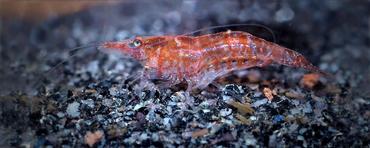
For sensitive species like Discus or certain freshwater shrimp, these fluctuations can be fatal. By maintaining a consistent log of your KH levels, you can determine your tank’s "acidification rate." This data allows you to schedule water changes or mineral dosing based on actual consumption rather than a generic weekly calendar, ensuring your water chemistry never hits the breaking point.
Identifying the Indicators of an Impending pH Crash
While digital sensors provide the most accurate data, your aquarium offers several biological and chemical "telltale signs" that an acidity spike is brewing. Predictive maintenance involves observing these subtle shifts before they become emergencies. One of the most common precursors is a sudden rise in nitrates. Since the nitrification process produces hydrogen ions (acid), a high nitrate load is almost always accompanied by a depletion of alkalinity.
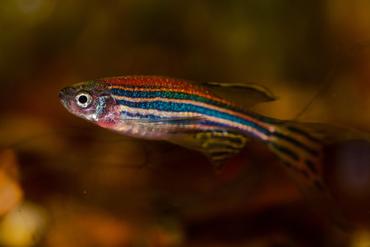
- Sluggish behavior in active swimmers like Zebra Danios or Rainbowfish.
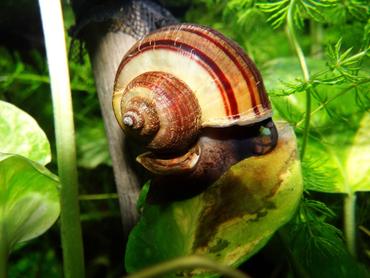
- A noticeable decline in the growth of calcifying organisms or snails with pitting shells.
- Excessive algae die-off or sudden clarity in the water, which can indicate a shift in microbial balance.
- A steady, week-over-week decrease in KH readings during your routine maintenance.
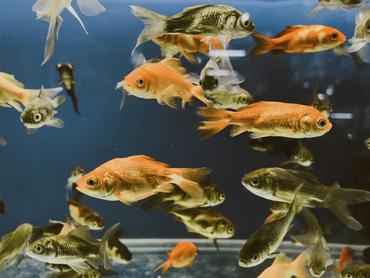
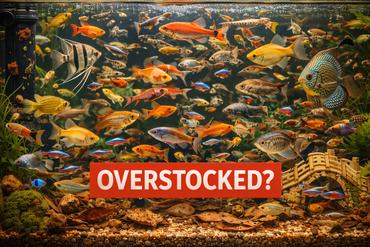
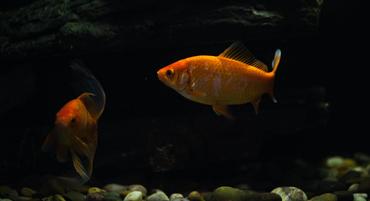
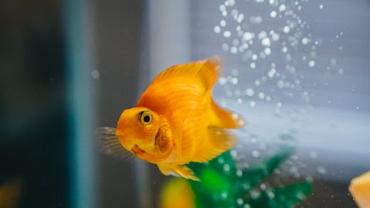
Another major factor in predictive analytics is the "bioload-to-volume" ratio. In heavily stocked tanks containing messy eaters like Oscars or Goldfish, the rate of acid production is significantly higher. If you are pushing the limits of your filtration, your predictive model should account for a faster exhaustion of buffers. Understanding the importance of the aquarium nitrogen cycle is crucial here, as the very bacteria that keep your fish safe from ammonia are the ones slowly consuming your tank's alkalinity.
Leveraging Modern Technology for Real-Time Monitoring
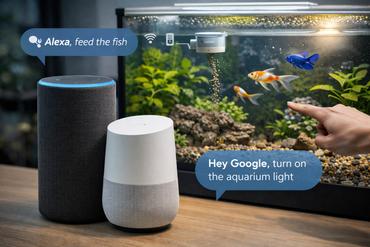
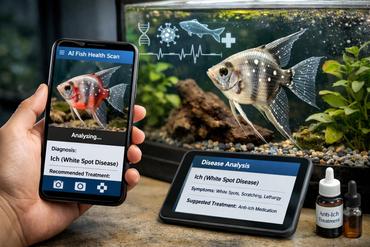
The "analytics" part of predictive care has been revolutionized by smart controllers and continuous monitoring probes. Devices like the Apex Neptune or Reef Factory controllers allow hobbyists to view pH graphs on their smartphones. This is where true prediction happens. In a healthy tank, pH naturally fluctuates in a "diurnal cycle"—it rises during the day when plants or algae photosynthesize and falls at night when they respire CO2.
When you analyze these digital graphs, you aren't looking for a specific number, but rather a pattern. If the "peak" pH of the day is lower than the peak of the previous day, your system is losing its ability to recover. Predictive analytics software can now send alerts to your phone when the "trough" of your pH cycle dips below a certain threshold. This technology moves the hobbyist away from the "test kit and prayer" method and into a proactive management style.
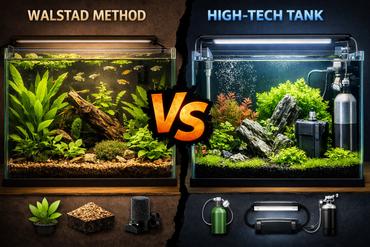
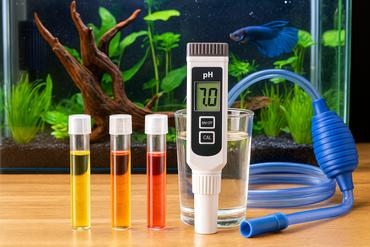
For those on a budget, even a simple handheld digital pH pen used at the same time every morning can provide enough data points to plot a trend line. If you see a downward slope over seven days, you can perform a proper aquarium water change to replenish minerals before the fish show signs of distress. This data-driven approach is especially helpful for intermediate keepers venturing into high-tech planted tanks where CO2 injection can complicate pH stability.
Compatibility and Care: Fish Sensitivity to pH Shifts
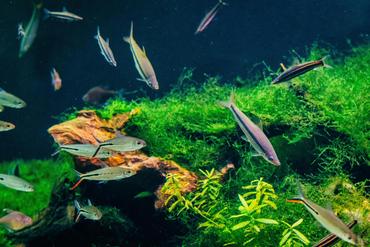
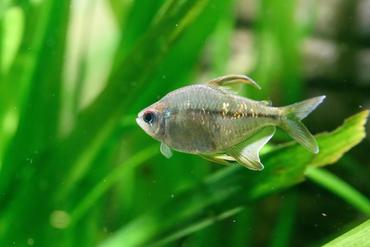
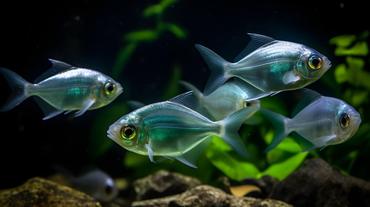
Not all fish react to a pH crash in the same way, and your stocking choices should dictate how aggressively you monitor your analytics. Some species are "bio-indicators," meaning they show signs of stress much earlier than others. Incorporating these sensitive species can actually help you predict a crash through observation. For example, Rummy Nose Tetras will lose the vibrant red coloration on their faces when water chemistry begins to swing.
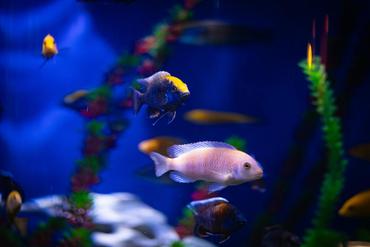
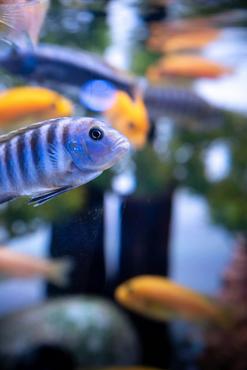
On the other hand, certain species are particularly vulnerable to low pH environments. African Cichlids from Lake Malawi and Tanganyika require high alkalinity and a stable pH of 8.0 or higher. In these setups, a pH crash is not just stressful; it is an immediate death sentence. Conversely, South American species like Tetras and Apistogramma are more tolerant of acidic water, but even they cannot handle a rapid drop of 1.0 or 2.0 on the pH scale within a few hours.
- High Sensitivity: Discus, African Cichlids, Freshwater Shrimp (Neocaridina), and Snails.
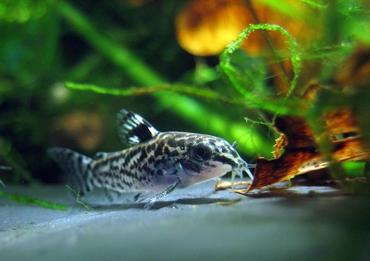
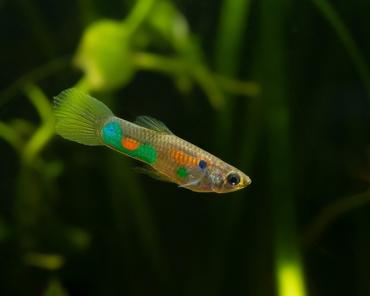
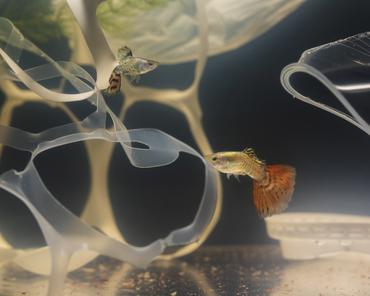
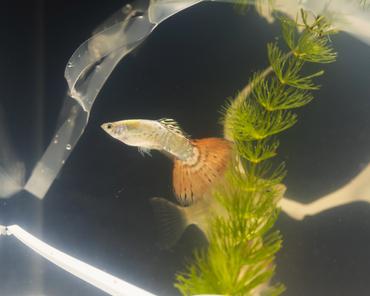
- Moderate Sensitivity: Guppies, Mollies, and Corydoras Catfish.
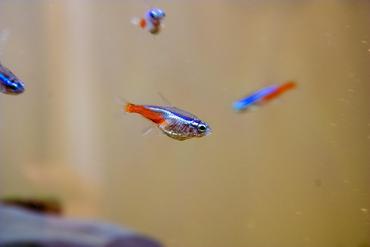
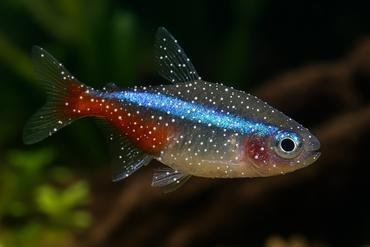
- Bio-Indicators: Rummy Nose Tetras, Neon Tetras, and certain sensitive floating plants.
When managing care, remember that the "solution" to a predicted crash must be gradual. If your analytics show a drop, never chase a number by dumping pH-up chemicals into the tank. This creates an "osmotic shock" that can be more damaging than the acidity itself. Instead, focus on increasing the KH through crushed coral in the filter or specialized buffer salts, which will naturally and safely pull the pH back to a stable baseline.
Common Pitfalls in Predictive Data Interpretation
One of the biggest mistakes intermediate hobbyists make is misinterpreting "false negatives" in their data. For instance, a high pH reading doesn't always mean your tank is safe. In systems with very low KH, the pH can be wildly unstable. You might test in the afternoon and see a 7.4, but by 4:00 AM, the lack of buffering allows the pH to slide to 6.0. Without continuous monitoring or testing at different times of day, you might miss the volatility entirely.
Another error is neglecting the impact of "old tank syndrome." Over months or years, evaporation and topping off with tap water can cause a buildup of certain minerals while others are depleted. Predictive analytics requires a "reset" of your baseline data.If you notice that your tank requires more frequent buffering than it did six months ago, it is a sign that your substrate or biological media may be becoming clogged with organic detritus, which accelerates acidification.
Finally, ensure your equipment is calibrated. A digital probe that hasn't been cleaned in months will "drift," providing inaccurate data that could lead you to make unnecessary adjustments. Predictive analytics is only as good as the data you feed it. Always verify a suspicious reading with a liquid test kit before taking drastic corrective action.
Conclusion: Stay Ahead of the Curve
Predictive analytics for pH crashes represents a shift in mindset from being a "tank cleaner" to being an "ecosystem manager." By tracking Carbonate Hardness trends, utilizing real-time digital monitoring, and observing the behavioral cues of sensitive species, you can eliminate the "sudden" nature of aquarium disasters. The goal is to identify the slow decay of buffering capacity long before it reaches a critical failure point. This proactive strategy not only saves the lives of your fish but also reduces the stress of aquarium ownership, making the hobby more enjoyable and rewarding.
To continue mastering your water chemistry, be sure to explore our extensive library of guides on filtration and species-specific care. If you found this article helpful, share your experiences with pH management in our community forums or check out our latest reviews on the best digital monitoring systems to start your data-driven journey today!

MOST RECENT ARTICLES