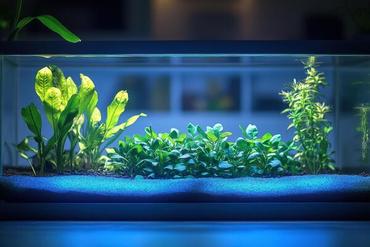
THE DESK-INTEGRATED NANO TANK
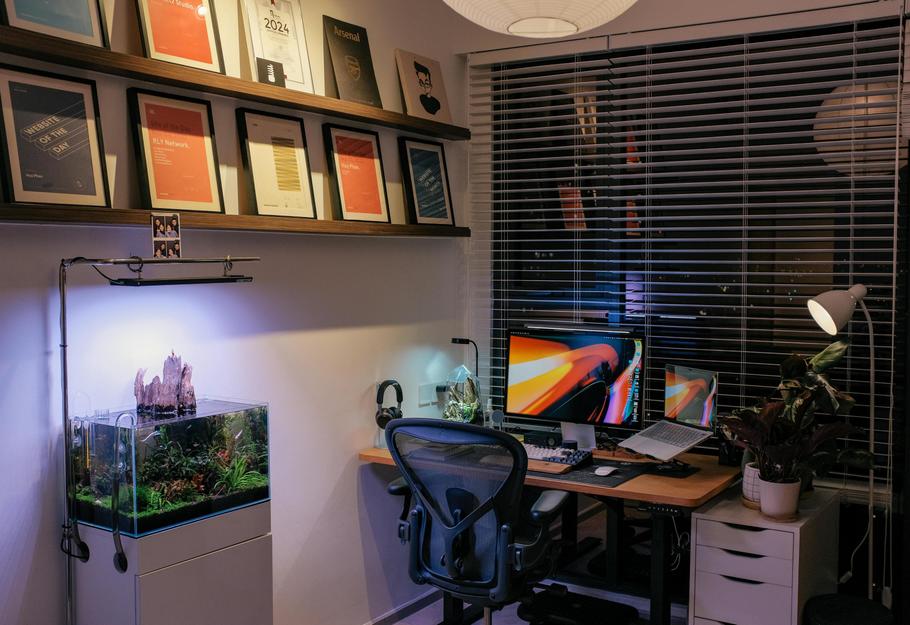
Understanding the Desk-Integrated Nano Tank Concept
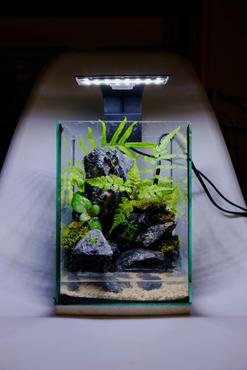
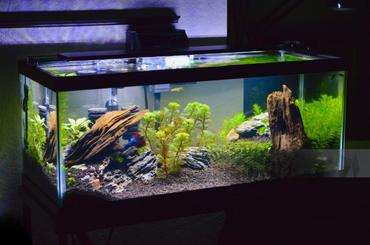
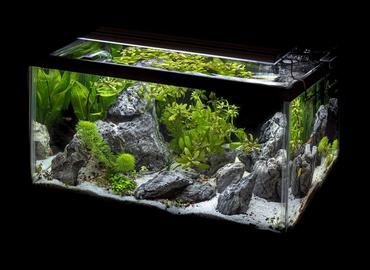
A nano aquarium typically refers to tanks ranging from 2 to 15 gallons, although most desk-friendly setups fall between 5 and 10 gallons. These tanks are designed to fit comfortably on sturdy desks, shelves, or office furniture while still providing enough stability for fish and plants to thrive.
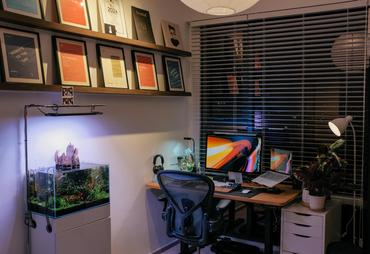
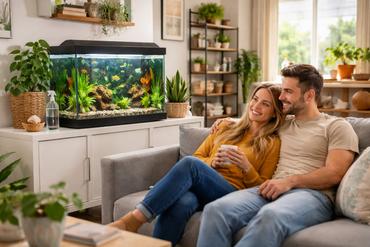
The key word here is integrated. A desk-integrated nano tank should not feel like an afterthought squeezed into a corner. It should be part of the space—visually balanced, easy to access for maintenance, and practical for daily life. You should be able to enjoy it without worrying that it is too noisy during work calls or too heavy for your furniture.
Many beginners assume smaller tanks are easier because they require less water and cost less to set up. In reality, nano tanks demand more attention to detail. Water chemistry changes faster, temperature fluctuations happen more quickly, and fish have less room to escape stress or aggression.
This is why experienced aquarists often recommend starting with at least a 5-gallon aquarium instead of a 1- or 2-gallon desktop bowl. While tiny tanks may look attractive in advertisements, they are much harder to keep stable and limit your livestock options dramatically.
Before purchasing any tank, check the weight capacity of your desk. Water weighs approximately 8.34 pounds per gallon. Once you add substrate, rocks, driftwood, equipment, and decorations, even a 10-gallon aquarium can exceed 100 pounds. A solid, level surface is essential for long-term safety.
Choosing the Right Equipment for Long-Term Success
Good equipment makes nano fishkeeping much easier. Because small tanks are less forgiving, quality filtration, reliable heating, and proper lighting should never be treated as optional upgrades. Cutting corners on equipment often leads to frustration later.
Your basic nano tank setup should include:
- A 5- to 10-gallon aquarium with a sturdy stand or desk placement
- A quiet and effective filter such as a sponge filter or hang-on-back filter
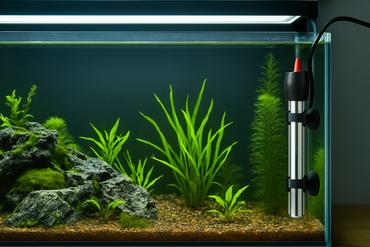
- An adjustable heater for tropical fish species
- LED lighting suitable for viewing and plant growth
- A secure lid to reduce evaporation and prevent jumping fish
- A thermometer for monitoring stable temperatures
Many office hobbyists prefer sponge filters because they are quiet and gentle, especially for shrimp and bettas. However, hang-on-back filters are often better for tanks with slightly heavier stocking because they provide stronger filtration and better surface agitation.
Heating matters more than many beginners realize. Even if your room feels warm, temperature swings at night or during air conditioning cycles can stress tropical fish. Bettas, rasboras, and most tetras do best with stable temperatures between 76°F and 80°F.
Lighting is another area where hobbyists often make mistakes. Strong lighting without enough plants can trigger algae problems, while weak lighting can cause live plants to struggle. If you are planning a planted setup, reading this guide on how to choose the right aquarium lighting can help prevent common beginner errors.
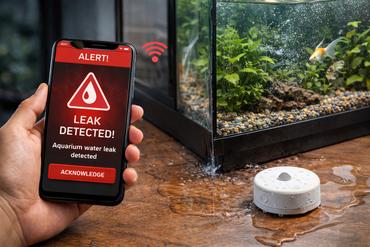
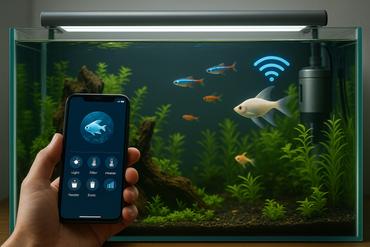
One practical detail people forget is outlet access. Your desk tank will need electricity for the filter, heater, and light. Make sure cords can be routed safely without creating clutter or water hazards around your workspace.
Best Fish for a Desk Nano Aquarium
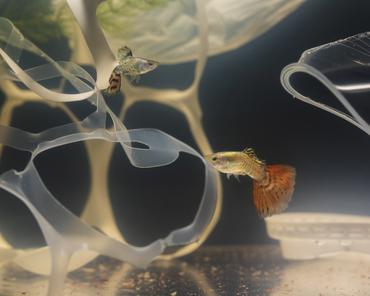
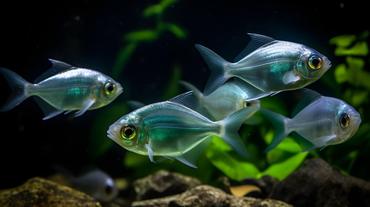
Stocking is where many nano tank projects succeed or fail. Small fish are not automatically nano fish. Some species sold at tiny sizes eventually grow too large, while others require schools or swimming space that small tanks cannot provide.
The best desk nano tank fish are peaceful, adaptable, and suited to limited territory. They should also tolerate the quieter, lower-flow conditions common in smaller planted setups.
Excellent choices include:
- Betta fish
- Chili rasboras
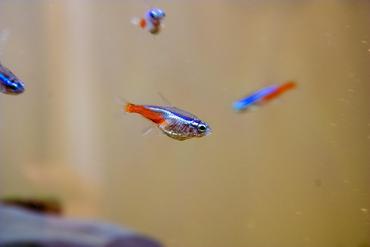
- Ember tetras
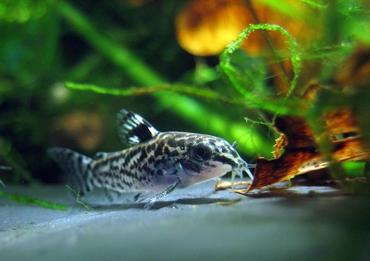
- Pygmy corydoras
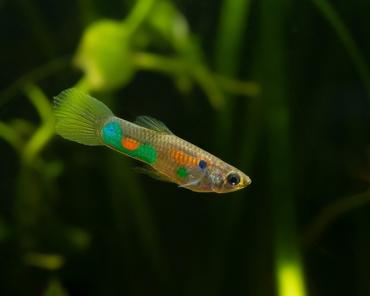
- Endler’s livebearers
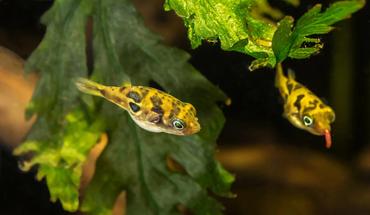
- Celestial pearl danios
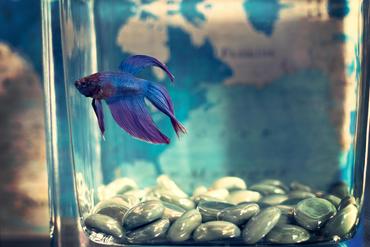
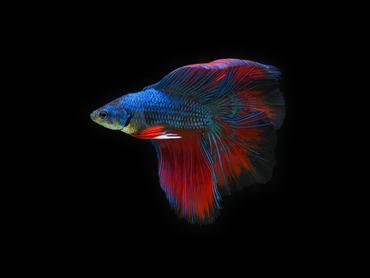
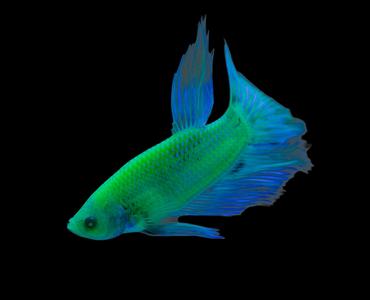
A single betta fish is one of the most popular choices for a 5-gallon desk tank. Bettas are colorful, interactive, and often recognize their owners. They do well in calm water with warm temperatures and appreciate planted environments with hiding spots and resting places near the surface.
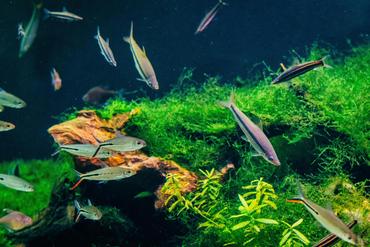
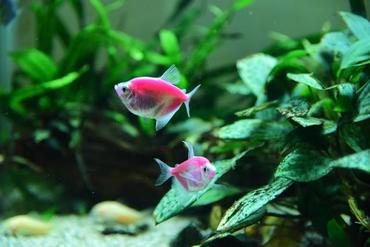
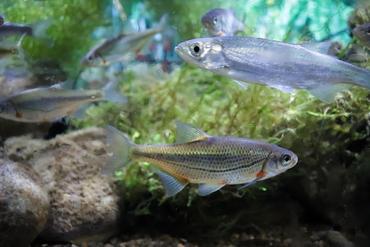
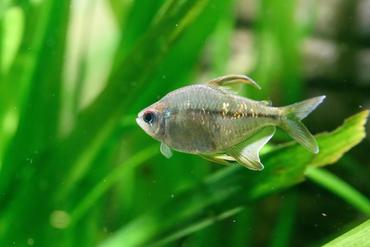
Chili rasboras are ideal for hobbyists who want a peaceful micro-schooling species. Their bright red coloration stands out beautifully against green plants, especially in well-maintained aquascapes.
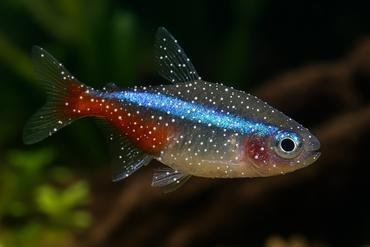
Ember tetras are another excellent option. They are active but not overly aggressive and work well in planted 10-gallon tanks with stable water conditions.
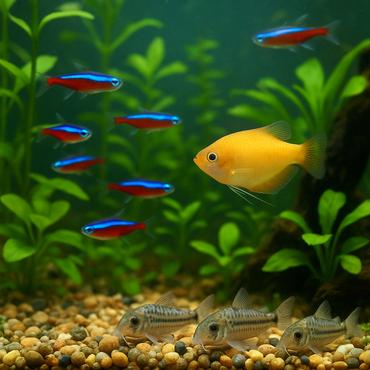
Pygmy corydoras are especially fun to watch because they are more active in the midwater than larger Corydoras species. However, they should be kept in groups and need enough floor space, making them better suited for 10-gallon setups than tiny desktop tanks.
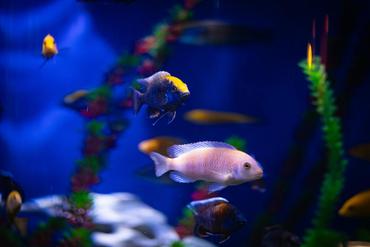
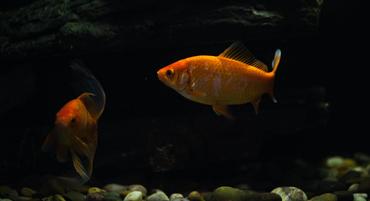
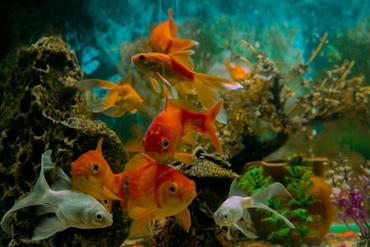
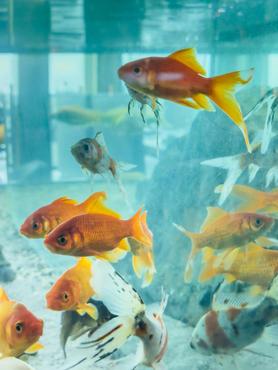
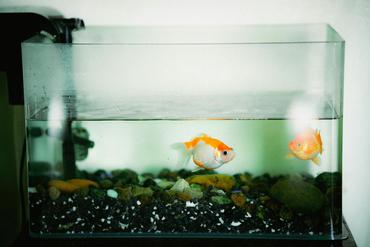
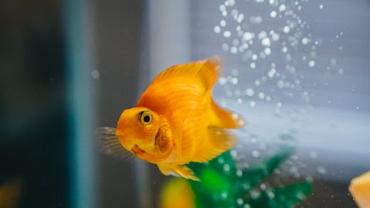
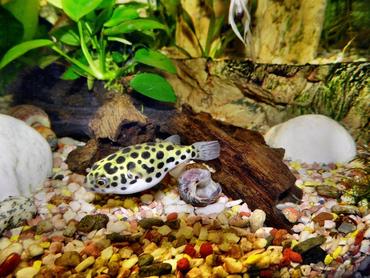
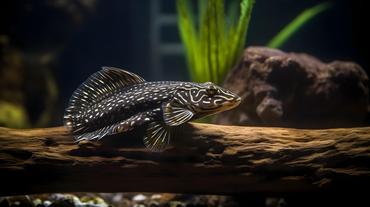
Avoid goldfish, common plecos, bala sharks, and most cichlids. These fish either grow too large, produce excessive waste, or require far more swimming space than a nano setup can provide.
Shrimp, Snails, and Invertebrates for Nano Tanks
Some of the best nano tank residents are not fish at all. Freshwater shrimp and snails add movement, natural cleaning behavior, and personality without creating the same bioload as larger fish.
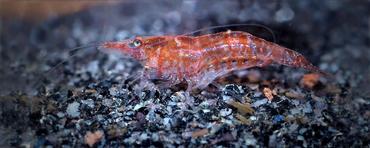
Cherry shrimp are among the best beginner invertebrates. They are colorful, active, and constantly graze on algae and biofilm. In planted tanks with moss and gentle filtration, they often breed successfully, creating a fascinating colony over time.
Amano shrimp are slightly larger and especially useful for algae control. They are hardworking scavengers and often help with stubborn algae issues, though they require stable water conditions.
Nerite snails are excellent cleanup crew members because they eat algae efficiently and do not reproduce in freshwater. This makes them a favorite choice for hobbyists who want the benefits of snails without the population explosion that can happen with pond snails or bladder snails.
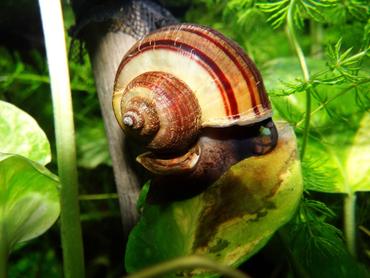
Mystery snails can also work well, but they produce more waste and need stronger attention to water quality in smaller systems.
If you are interested in keeping shrimp, this helpful guide on freshwater shrimp care offers excellent beginner advice.
One common mistake is assuming shrimp are “maintenance-free.” They still need stable parameters, careful acclimation, and protection from aggressive tankmates. Sudden water changes or copper-based medications can be especially dangerous for invertebrates.
Compatibility and Care Considerations
Compatibility matters even more in nano tanks because fish cannot simply swim away from conflict. A peaceful fish in a 30-gallon aquarium may become territorial in a 5-gallon setup simply because there is nowhere else to go.
Bettas are a perfect example. Some bettas peacefully coexist with shrimp and snails, while others attack anything that moves. Their personality matters as much as species recommendations.
Similarly, schooling fish should not be kept alone just because the tank is small. Ember tetras and chili rasboras still need groups to feel secure. Keeping too few often leads to stress, hiding, and poor coloration.
Before adding livestock, remember these essential care principles:
- Fully cycle the aquarium before introducing fish
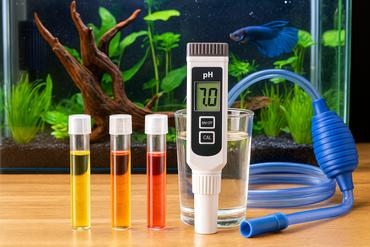
- Test ammonia, nitrite, and nitrate regularly
- Feed lightly to prevent waste buildup
- Perform weekly 20–30% water changes
- Observe fish behavior daily for signs of stress
Skipping the nitrogen cycle is one of the biggest beginner mistakes in fishkeeping. In nano tanks, ammonia spikes happen fast and can become dangerous within days. If you are unfamiliar with cycling, read this important guide on the nitrogen cycle explained before setting up your tank.
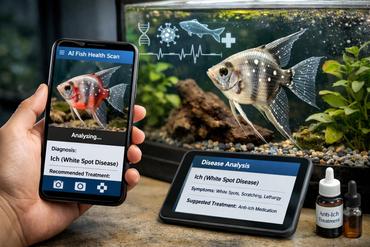
Quarantining new fish is also a smart habit. While many hobbyists skip this step for small tanks, introducing disease into a nano system can wipe out the entire setup quickly. Even a simple temporary quarantine container can make a major difference.
Aquascaping for Beauty, Function, and Stability
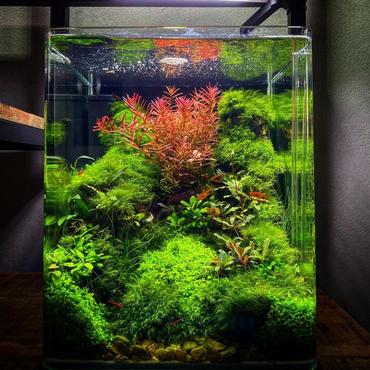
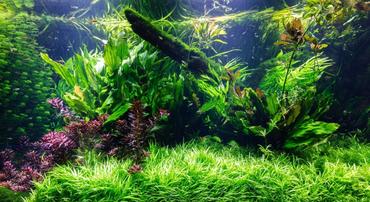
A desk aquarium should be attractive, but beauty should never come at the expense of fish health. Good aquascaping creates visual depth while also providing shelter, biological stability, and stress reduction for livestock.
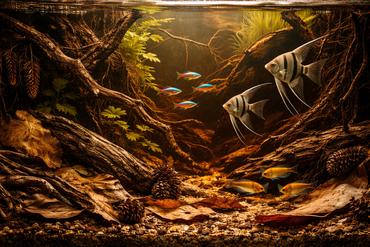
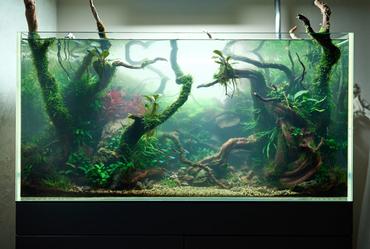
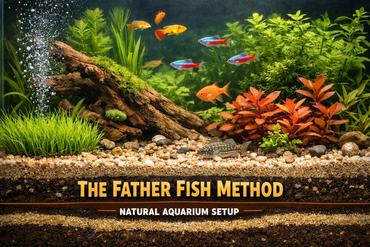
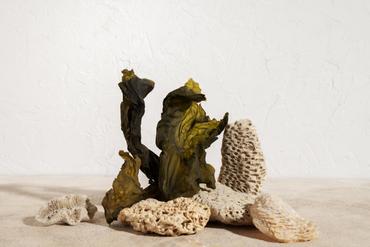
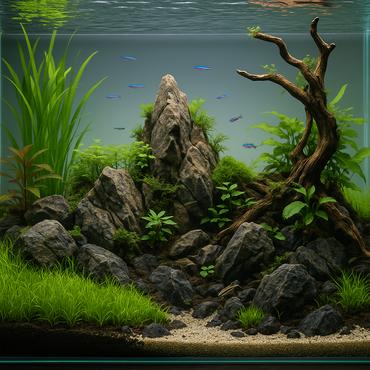
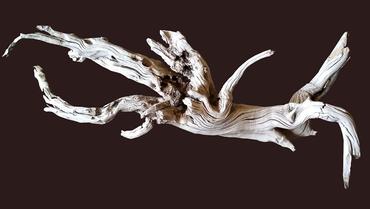
Simple hardscape works best in nano tanks. Driftwood, dragon stone, lava rock, and smooth river stones create a natural look without overwhelming the limited swimming space. Oversized decorations often make small tanks feel cramped.
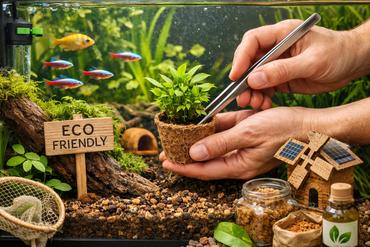
Live plants are one of the best upgrades you can make. They improve water quality, reduce algae competition, create hiding places, and help the tank feel more alive and balanced.
Excellent beginner plants include:
- Anubias
- Java fern
- Java moss
- Cryptocoryne
- Amazon frogbit
- Salvinia
These plants are hardy, forgiving, and do not require advanced CO2 systems. Floating plants are especially helpful in betta tanks because they soften light and create a sense of security.
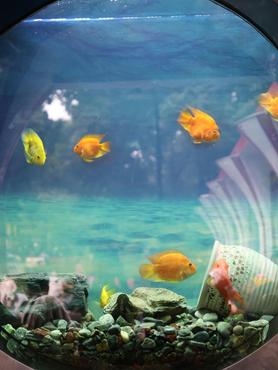
A common beginner mistake is using bright plastic ornaments and oversized decorations purchased on impulse. While colorful castles may seem fun at first, they often create visual clutter and reduce practical swimming space.
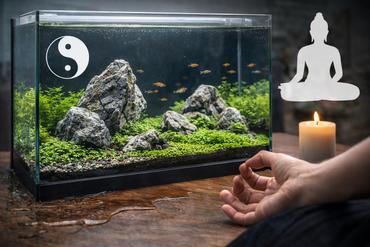
Natural-looking aquascapes tend to age better and create calmer environments for both fish and owners. In professional office spaces, planted minimalist tanks are often the most successful long-term option.
Common Beginner Mistakes to Avoid
Most nano tank problems come from rushing. Because these aquariums are small, people often assume they require less planning. In reality, they demand more consistency and patience.
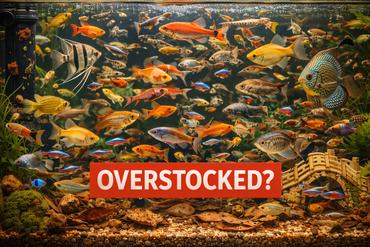
Overstocking is probably the most common mistake. Adding “just one more fish” quickly becomes dangerous when filtration and swimming space are limited. A peaceful, lightly stocked tank almost always performs better than an overcrowded community setup.
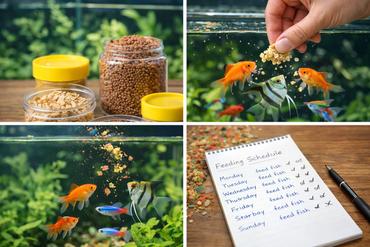
Overfeeding is another major issue. Fish need far less food than beginners expect. Excess food sinks into the substrate, increases ammonia, and fuels algae growth. A good rule is to feed only what fish consume within a minute or two.
Ignoring evaporation is also common in desk tanks, especially open-top setups. As water evaporates, minerals remain behind, slowly changing water chemistry. Topping off with fresh water helps maintain stability.
Many hobbyists also forget that maintenance should be routine, not reactive. Waiting until algae covers the glass or fish show signs of illness means the problem has already developed.
A simple weekly schedule works best:
Check temperature and equipment daily. Feed lightly once or twice per day. Perform one partial water change each week. Clean filter media gently in old tank water, never under untreated tap water. Trim plants and remove dead leaves before they decay.
This consistency prevents most major issues and makes fishkeeping far less stressful.
Final Takeaway: Small Tank, Big Responsibility
A desk-integrated nano tank proves that you do not need a massive aquarium to enjoy the beauty and satisfaction of fishkeeping. In many ways, these small systems are more personal because they become part of your everyday environment. You see them during work, while studying, and during quiet moments at home.
The key to success is respecting the responsibility that comes with small water volume. Start with patience instead of impulse buying. Choose species that truly fit the space, prioritize water quality above decoration, and keep your maintenance routine simple and consistent.
A single healthy betta in a planted 5-gallon aquarium will almost always be more rewarding than an overcrowded 10-gallon tank filled with incompatible fish. Success comes from balance, not quantity.
The best nano tanks are built for long-term stability, not short-term excitement. Learn your livestock’s needs, observe behavior closely, and keep improving your knowledge. Continue exploring RateMyFishTank.com for more expert guides, species profiles, and aquascaping inspiration to help your desk nano tank thrive for years to come.
MOST RECENT ARTICLES