COMMON FRESHWATER TROPICAL FISH DISEASES

The Common Parasites: Ich and Velvet
Parasitic infections are among the most frequent issues you will encounter in a freshwater aquarium. They spread quickly because of their complex life cycles, meaning a single infected fish can rapidly introduce thousands of parasites into the water column, threatening the entire community.
The absolute most common culprit is Ichthyophthirius multifiliis, universally known as Ich or White Spot Disease. Ich looks exactly like someone sprinkled grains of table salt across your fish's fins, tail, and body. This external parasite burrows under the protective slime coat of the fish to feed on its tissue. Affected fish will often "flash," a behavior where they nervously scratch and rub their bodies against aquarium gravel, rocks, or decorations to relieve the intense irritation. If left untreated, the parasite multiplies exponentially, eventually clogging the gills and suffocating the fish.
A closely related but distinct parasitic threat is Velvet, also known as Rust Disease, caused by the Oodinium parasite. Unlike the distinct, stark white grains of Ich, Velvet presents as a fine, dusty, yellowish-gold or rust-colored powder spread across the skin. It can be quite difficult to spot in its early stages under standard aquarium lighting. A reliable trick is to turn off your room lights and shine a small flashlight directly onto the fish from the side; the dust-like coating will shimmer under the focused beam. Velvet attacks the skin and gills even more aggressively than Ich, causing rapid breathing, clamped fins, and sudden lethargy, making swift identification vital.
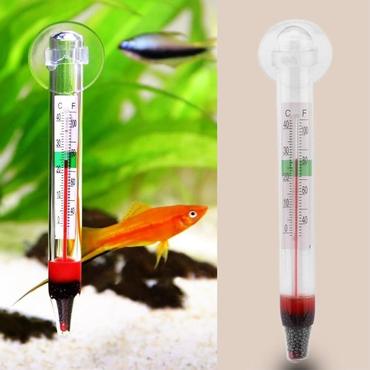
Treating these parasites effectively requires targeting them when they are most vulnerable. The parasites are completely shielded by the fish's natural slime coat while attached to the body, making medications useless during this phase. Treatment must focus on the free-swimming stage of their life cycle. For Ich, gradually raising your aquarium water temperature to 82°F to 86°F over 24 hours accelerates the parasite's life cycle, forcing it to drop off the fish much faster. Combine this temperature increase with an over-the-counter copper-based treatment or a specialized malachite green and formalin formulation. Keep in mind that scaleless fish like clown loaches and corydoras catfish are highly sensitive to medications, so you should always halve the recommended dosage for tanks containing these species.
Bacterial Threats: Fin Rot and Columnaris
Bacterial infections are almost always secondary invaders. In a healthy ecosystem, minor opportunistic bacteria exist harmlessly in the water and filter media. However, when a fish suffers physical trauma, experiences a sudden drop in water quality, or becomes stressed by aggressive tank mates, its immune system weakens, opening the door for harmful bacteria to strike.
Fin Rot is a classic example of an environmental disease that frequently plagues beginners. It begins as a milky white discoloration along the very edges of the fins or tail. As the infection progresses, the tissue actively degrades, leaving the fins looking ragged, split, shredded, or completely eroded down to the fleshy base. In severe cases, the edges turn a deep red or black color due to active tissue necrosis (localized tissue death). Long-finned varieties, such as fancy guppies and betta fish, are genetically predisposed to fin rot because their expansive fins are highly delicate and prone to catching on sharp decorations or being nipped by semi-aggressive tank mates like tiger barbs.
Columnaris, often misleadingly called Cotton Mouth, is a far more aggressive bacterial infection caused by the bacterium Flavobacterium columnare. It is often mistaken for a fungal infection because it creates white, gray, or yellowish cotton-like patches around the fish's mouth, head, and scales. However, Columnaris behaves much differently than true fungus; it is a fast-moving systemic killer that can wipe out an entire school of neon tetras or harlequin rasboras within 24 to 48 hours. It thrives in warmer water and rapidly destroys tissue, sometimes leaving "saddleback" lesions on the fish's back where the scales completely peel away.
The first step in treating any bacterial outbreak is assessing your environment. Perform a 30% to 50% water change and thoroughly vacuum your substrate to remove decaying organic matter. For mild cases of fin rot, keeping the water immaculately clean is often enough for the fins to regenerate naturally. For aggressive diseases like Columnaris, you must act quickly with broad-spectrum antibiotic treatments. A combination of kanamycin and nitrofurazone works exceptionally well together to combat both internal and external bacterial strains. Remember to remove any chemical filtration media, like activated carbon, from your filter before dosing, as carbon will instantly absorb and neutralize the medications.
Fungal Infections and Internal Ailments
True fungal infections are relatively easy to differentiate from bacterial issues once you know what to look for. Fungi typically target localized wounds, open sores, or areas where a fish has lost its protective slime coat due to rough handling or fighting.
Aquarium fungus presents as distinct, fluffy, tufted growths that strongly resemble cotton wool or mold growing on old food. It is rarely the primary cause of a fish's illness. Instead, fungal spores latch onto tissue that has already been compromised by physical injuries or a parasitic attack. For instance, if an angelfish scrapes its side against a jagged piece of slate rock during a territorial dispute, those damaged scales provide the perfect anchoring point for fungal spores. If left unmanaged, the white tufts will slowly expand across the body, destroying the healthy underlying skin and muscle tissue.
Internal ailments are much harder to diagnose because the symptoms are hidden inside the body cavity. One of the most common and misunderstood internal conditions is Swim Bladder Disorder. The swim bladder is a specialized, gas-filled organ that allows a fish to maintain its buoyancy and control its position in the water column. When this organ is compromised, the fish completely loses its equilibrium. You will see affected fish swimming upside down, floating uncontrollably at the surface, or sinking like a stone to rest heavily on the substrate. In deep-bodied, selectively bred species like fancy goldfish or balloon mollies, this is frequently a digestive issue; compacted food or trapped air in the gut presses hard against the swim bladder, disrupting its function.
To treat localized fungal patches, aquarium-safe antifungal medications containing pimafix or methylene blue are highly reliable and effective. For digestive-related swim bladder issues, the remedy is surprisingly simple: fast the affected fish for two to three days to let its digestive tract completely clear out. Follow the fast by feeding them a single thawed, shelled green pea cut into tiny, easily manageable pieces. Peas act as a natural laxative for fish, relieving internal compaction and relieving pressure on the swim bladder. If the buoyancy issues persist after this, the cause is likely a deeper bacterial infection within the organ, requiring treatment with medicated anti-bacterial foods.
Compatibility and Care Considerations
The absolute best way to manage fish diseases is to prevent them from entering your display aquarium in the first place. Almost every major outbreak can be traced back to a common beginner mistake: buying a new fish from a local store and releasing it directly into an established community tank later that day.
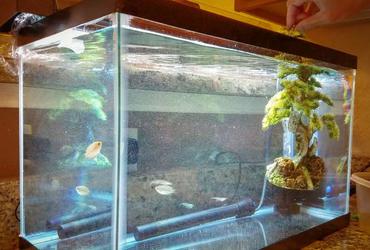
Setting up a dedicated quarantine tank is the ultimate defense for an intermediate hobbyist. This does not need to be a complex or expensive setup. A simple 5 or 10-gallon bare-bottom glass tank equipped with a small heater, a mature sponge filter, and a couple of plastic pipes for hiding spots is perfect. Whenever you bring home new tank mates, keep them in this isolated quarantine environment for a full three to four weeks. This observation window gives you plenty of time to spot latent Ich, Velvet, or bacterial infections and treat them safely without exposing your main display tank to harsh medications or pathogens.
It is also vital to understand that chronic stress is the primary trigger for disease, and stress is deeply linked to tank compatibility and social dynamics. When you mix incompatible species, you create a high-stress environment that systematically compromises your fish's immune systems. For example, keeping active, aggressive fin-nippers like tiger barbs in the same space as slow, long-finned tank mates like male bettas or fancy guppies will lead to constant physical injuries and fin rot. Similarly, keeping highly social schooling fish like neon tetras or corydoras in groups of fewer than six causes severe, continuous stress, leaving them highly vulnerable to opportunistic pathogens.
To minimize stress and build a resilient community, plan your stocking carefully around shared water parameters and behavioral traits. Be sure to read up on the basics of freshwater fish compatibility before purchasing any new additions to ensure they can cohabitate peacefully. Maintaining excellent water quality through regular testing and scheduled water changes is your baseline protection against disease. For a deeper look at establishing the foundation of a healthy aquatic environment, view our breakdown on aquarium water chemistry made simple to master the crucial relationships between ammonia, nitrites, and nitrates.
The Essential Checklist for Disease Prevention
Maintaining a disease-free aquarium comes down to developing consistent, healthy habits. Use this practical reference checklist to keep your tank operating at peak performance and catch potential issues before they develop into widespread outbreaks:
- Test your aquarium water weekly for ammonia, nitrites, and nitrates using a reliable liquid test kit.
- Perform a 20% to 30% water change every one to two weeks, always using a high-quality water conditioner to neutralize harmful chlorine and chloramines.
- Quarantine all new fish, invertebrates, and live aquatic plants for a minimum of 21 days before adding them to your primary display aquarium.
- Avoid overfeeding your fish; only provide what they can completely consume within two minutes to prevent excess food from rotting and spiking ammonia levels.
- Provide a varied, nutrient-dense diet consisting of high-quality flakes, pellets, and frozen foods like brine shrimp or bloodworms to boost their immune systems.
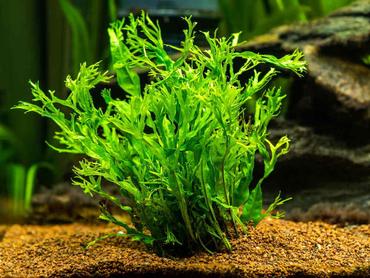
- Incorporate plenty of natural hiding spaces, such as driftwood, smooth rocks, and live plants, to lower aggression and reduce stress levels among territorial tank mates.
- Inspect your fish daily during feeding times, looking closely for subtle behavioral shifts, frayed fins, or unusual spots on their bodies.
Your Path to a Thriving Aquarium
Dealing with an outbreak of Ich, fin rot, or swim bladder issues can certainly be discouraging, but it is an instructive rite of passage for every aquarium hobbyist. Armed with the right knowledge, you can approach these challenges with calm, practical solutions instead of panic. Remember that a clean aquarium, a low-stress environment, and a watchful eye are the most powerful medications you can provide for your aquatic community. By staying proactive with your tank maintenance and carefully selecting compatible tank mates, your freshwater tropical fish will thrive beautifully for years to come. For more professional tips on optimizing your setup and keeping your tank pristine, explore our expert guide on choosing the right filtration system for your aquarium to find the perfect mechanical and biological setup for your unique ecosystem.


MOST RECENT ARTICLES