OFF-GRID AQUARIUM SYSTEMS
What Is an Off-Grid Aquarium System?
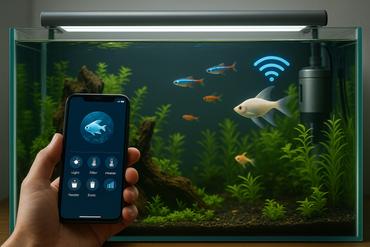
An off-grid aquarium system is an aquarium designed to operate with reduced reliance on conventional electrical power. Some hobbyists use solar-powered systems with battery backups, while others create low-tech planted tanks that require minimal equipment in the first place. The goal is not necessarily to eliminate electricity entirely, but to reduce dependence and improve long-term stability.
These systems are especially useful in cabins, rural homes, greenhouses, vacation properties, and regions where power interruptions are common. They are also appealing to aquarists interested in sustainability and natural aquarium methods.
Off-grid does not mean maintenance-free. Fish still require clean water, stable temperatures, and responsible feeding. However, instead of depending on constant filtration and artificial intervention, these aquariums rely more heavily on live plants, natural bacterial balance, conservative stocking, and efficient system design.
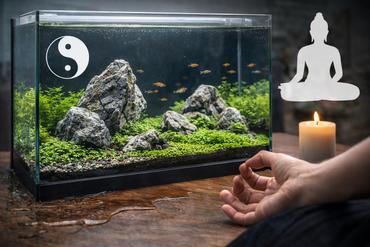
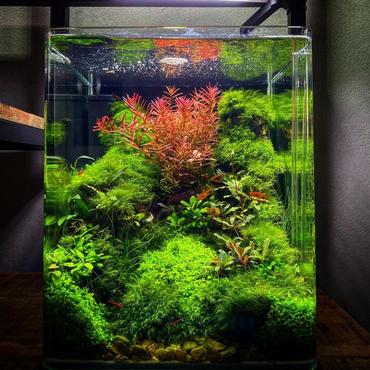
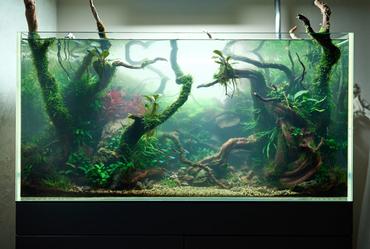
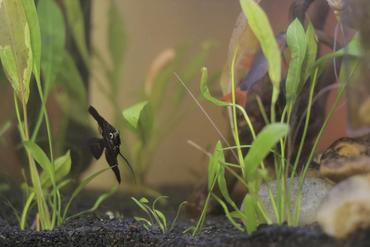
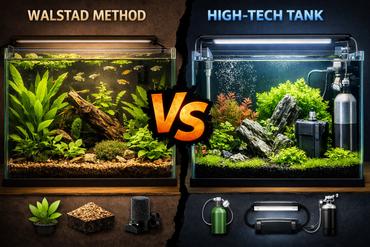
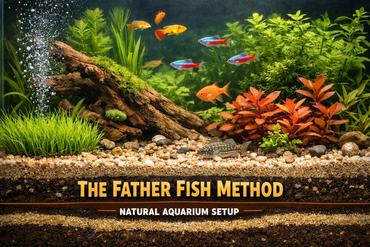
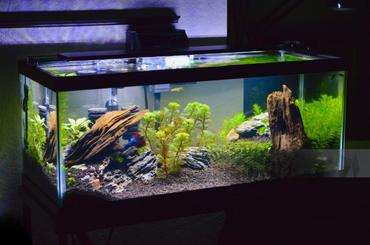
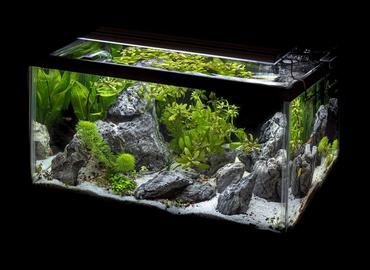
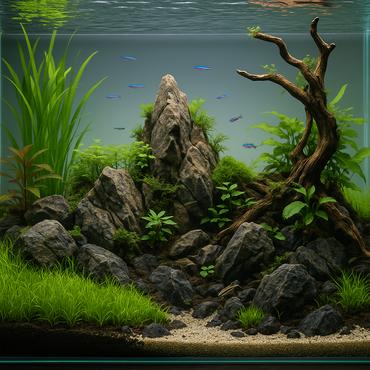
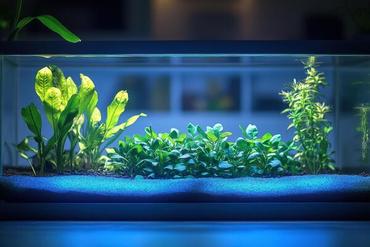
Many successful off-grid aquariums are inspired by the “Walstad method,” where heavily planted tanks use soil substrates and dense vegetation to create biological stability with limited filtration.
For beginners, the best approach is usually a hybrid model: low-tech operation supported by selective backup equipment like battery-powered air pumps or solar-powered filtration rather than attempting a completely equipment-free tank from day one.
Choosing the Right Equipment for an Off-Grid Setup
Off-grid aquariums work best when the system is simple, efficient, and easy to maintain. Instead of focusing on powerful equipment, the goal is to reduce energy demands while still protecting fish health.
Your setup should prioritize:
- A medium-sized tank between 10 and 30 gallons for better water stability
- Low-energy filtration such as sponge filters or small internal filters
- Battery backup or solar-powered air pumps for emergencies
- LED lighting with low power consumption
- A secure lid to reduce evaporation and heat loss
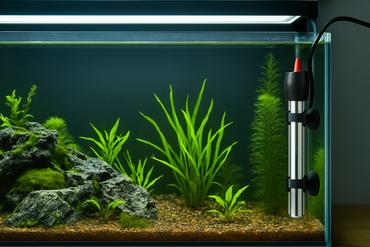
- Dense live plants to support natural biological filtration
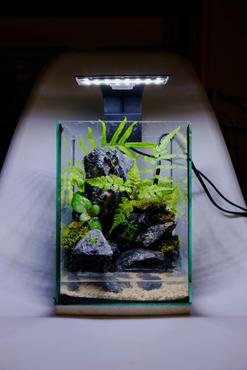
Larger tanks are often better than very small nano tanks because they provide more stable water chemistry. A 20-gallon planted aquarium is usually far easier to manage off-grid than a 5-gallon desktop tank.
Sponge filters are excellent for low-power systems because they are simple, reliable, and can run on small air pumps with battery backup. During outages, even a basic air pump can make a major difference in oxygen levels.
Lighting should be practical rather than excessive. If the aquarium receives safe indirect natural light, you may reduce artificial lighting needs significantly. However, direct sunlight should be avoided because it often causes overheating and algae blooms.
If you are planning live plants, this guide on how to choose the right aquarium lighting is helpful for understanding plant needs without overspending on unnecessary equipment.
Best Fish for Off-Grid Aquarium Systems
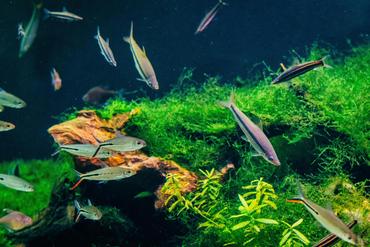
Fish selection is one of the most important parts of an off-grid aquarium. Species that tolerate stable low-tech conditions, moderate temperature shifts, and peaceful planted environments are the best choices. Highly sensitive species or fish with extreme oxygen demands are usually poor candidates.
Excellent off-grid aquarium fish include:
- White Cloud Mountain Minnows
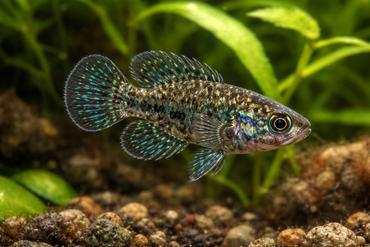
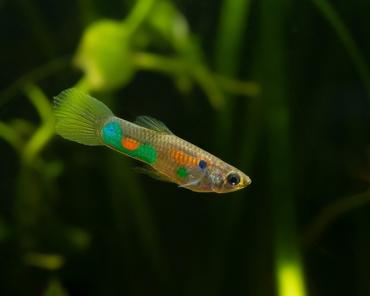
- Endler’s Livebearers
- Cherry Barbs
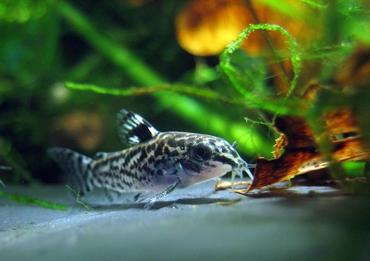
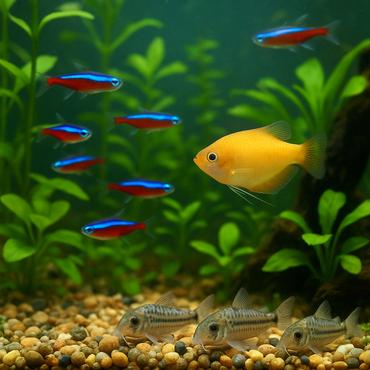
- Corydoras catfish
- Honey Gouramis
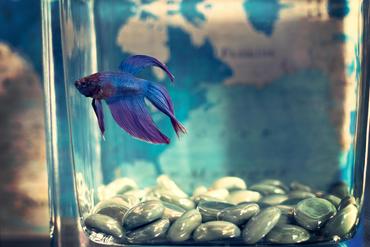
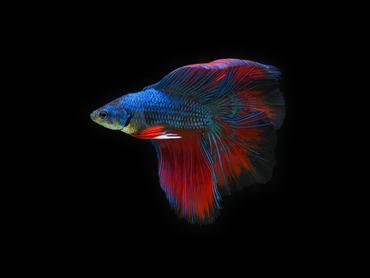
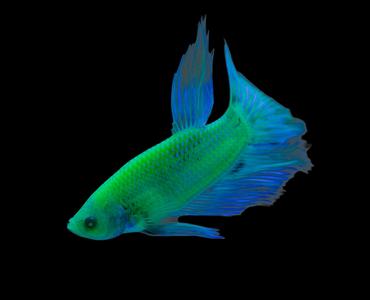
- Betta fish in single-specimen planted setups
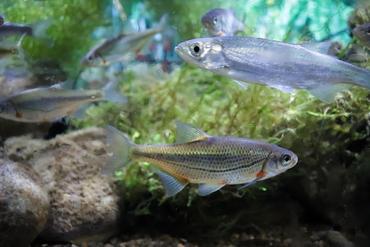
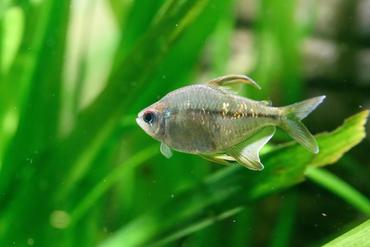
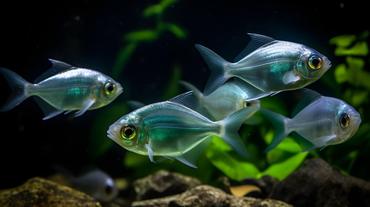
White Cloud Mountain Minnows are especially useful because they tolerate cooler temperatures better than many tropical fish, reducing the need for constant heating in mild climates. They are peaceful, active, and beginner-friendly.
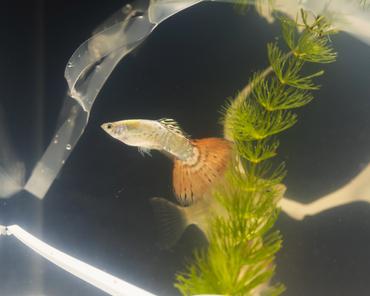
Endler’s livebearers are another strong choice for planted low-tech systems. They are colorful, adaptable, and generally thrive in stable community tanks.
Honey gouramis work well in calm planted aquariums and require less intense water movement than some other species. They also add personality and visual interest without excessive aggression.
For colder regions where winter temperatures drop significantly, heating may still be necessary regardless of fish choice. Always plan around your local climate rather than assuming all off-grid systems can run heater-free.
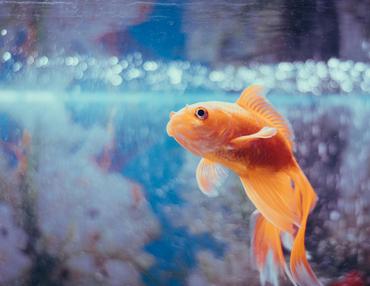
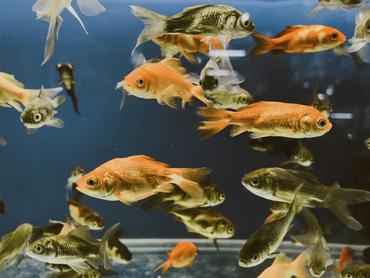
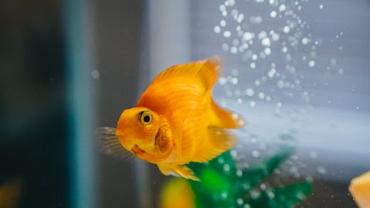
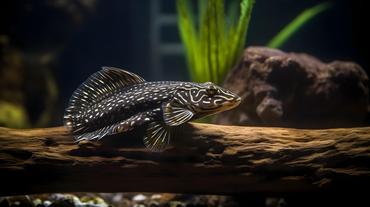
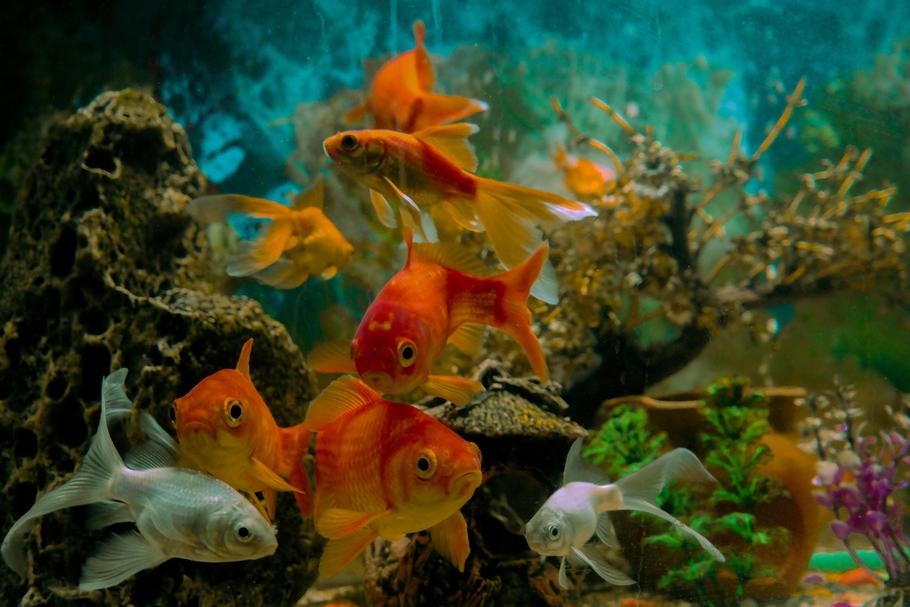
Avoid species like discus, large cichlids, goldfish, and plecos. These fish either require highly stable specialized conditions or produce too much waste for low-tech systems to handle efficiently.
Compatibility and Care Considerations
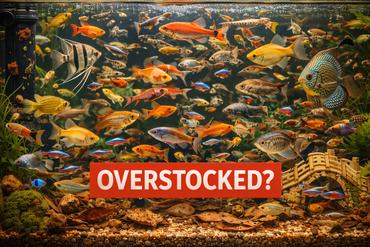
Because off-grid aquariums depend more on natural balance and less on powerful filtration, stocking must be conservative and compatibility must be taken seriously. Overstocking creates waste faster than plants and beneficial bacteria can manage it.
Peaceful community fish are usually the safest choice. A heavily planted tank with a modest group of White Clouds, Corydoras, and a centerpiece honey gourami is often far more successful than an ambitious mixed-species tank.
Schooling fish still need proper group sizes. Keeping too few minnows or barbs leads to stress and unnatural behavior. At the same time, adding too many fish can overwhelm the biological balance.
Remember these essential care practices:
- Cycle the aquarium fully before adding fish
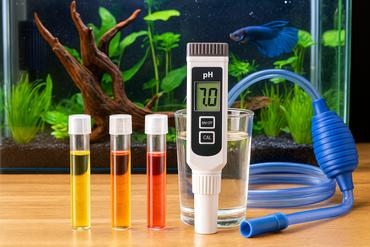
- Test ammonia, nitrite, and nitrate regularly
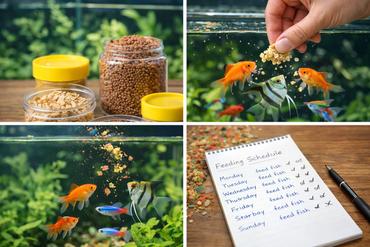
- Feed lightly to reduce organic waste
- Perform regular partial water changes even in planted systems
- Keep backup aeration available for emergencies
Some beginners believe planted tanks eliminate the need for water changes. This is not true. Even well-balanced low-tech aquariums benefit from regular maintenance to prevent nutrient buildup and maintain long-term stability.
If you are unfamiliar with biological cycling, this guide on the nitrogen cycle explained is essential reading before starting any off-grid aquarium.
During power outages, oxygen becomes the biggest short-term concern. Fish can tolerate temporary temperature changes better than prolonged oxygen depletion. This is why battery-powered air pumps are one of the smartest emergency investments for off-grid hobbyists.
Live Plants: The Real Engine of Off-Grid Success
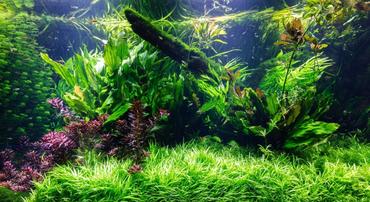
In most off-grid aquariums, live plants do much of the work that expensive equipment normally handles. They absorb nitrates, compete with algae, stabilize water chemistry, and create shelter for fish. Without strong plant growth, off-grid systems become much harder to manage.
Beginner-friendly plants include Java fern, Anubias, Amazon swords, Vallisneria, Cryptocoryne, Hornwort, and floating plants like frogbit or Salvinia. These species are hardy, adaptable, and do not require advanced CO2 systems.
Floating plants are especially useful because they help reduce light intensity, absorb nutrients quickly, and improve the natural appearance of the tank. Bettas and gouramis also appreciate the added surface cover.
A nutrient-rich substrate can improve plant success dramatically. Many hobbyists use aquarium soil or capped organic soil systems to create stronger root growth and more natural biological filtration.
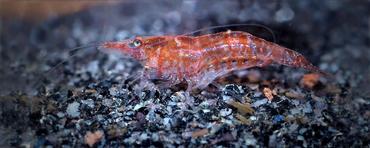
This approach is also popular for shrimp keepers. If you are considering shrimp as part of your cleanup crew, this guide on freshwater shrimp care can help you plan compatible additions.
A common mistake is underplanting. A true low-tech or off-grid aquarium should be heavily planted from the start. Adding only one or two decorative plants will not provide the biological support needed for reduced filtration systems.
Common Beginner Mistakes in Off-Grid Fishkeeping
The biggest mistake beginners make is assuming “natural” means “easy.” Off-grid aquariums can be incredibly stable, but only when the system is designed thoughtfully. Ignoring maintenance because the tank is low-tech almost always leads to problems.
Overstocking is one of the fastest ways to fail. Small increases in waste create major problems when filtration is intentionally limited. Less fish usually means better long-term success.
Another common issue is relying too heavily on sunlight. While natural light can reduce electricity use, direct sunlight often overheats the aquarium and causes aggressive algae blooms that quickly become frustrating.
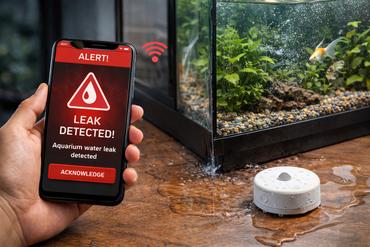
Skipping backup planning is another serious problem. Even in a low-tech setup, emergencies happen. Having battery air pumps, spare conditioned water, and a simple response plan for outages makes a huge difference.
Many hobbyists also choose sensitive fish too early. Starting with hardy species builds confidence and helps you understand how your aquarium responds to seasonal temperature changes and maintenance routines.
Consistency matters more than expensive technology. Stable feeding, regular observation, and simple weekly maintenance outperform complicated systems that are difficult to manage.
Final Takeaway: Simplicity Creates Stability
Off-grid aquarium systems prove that successful fishkeeping does not always require expensive equipment or constant electrical support. With smart stocking, dense planting, and realistic expectations, these aquariums can be healthy, beautiful, and surprisingly resilient.
The best off-grid tanks are built around balance rather than convenience. Choose fish that suit your climate, prioritize plants as part of the filtration system, and always plan for emergencies before they happen. A lightly stocked planted aquarium will almost always outperform an overcrowded “show tank” that depends entirely on equipment.
Start simple. Learn how your tank responds to natural changes in light, temperature, and water chemistry. Observe your fish closely and adjust slowly rather than chasing quick fixes.
Whether you are preparing for unreliable power, creating a sustainable fish room, or simply exploring a more natural approach to the hobby, off-grid aquarium systems can be one of the most satisfying ways to keep fish. Continue exploring RateMyFishTank.com for more expert guides, species recommendations, and practical advice to help your aquarium thrive long-term.
MOST RECENT ARTICLES